
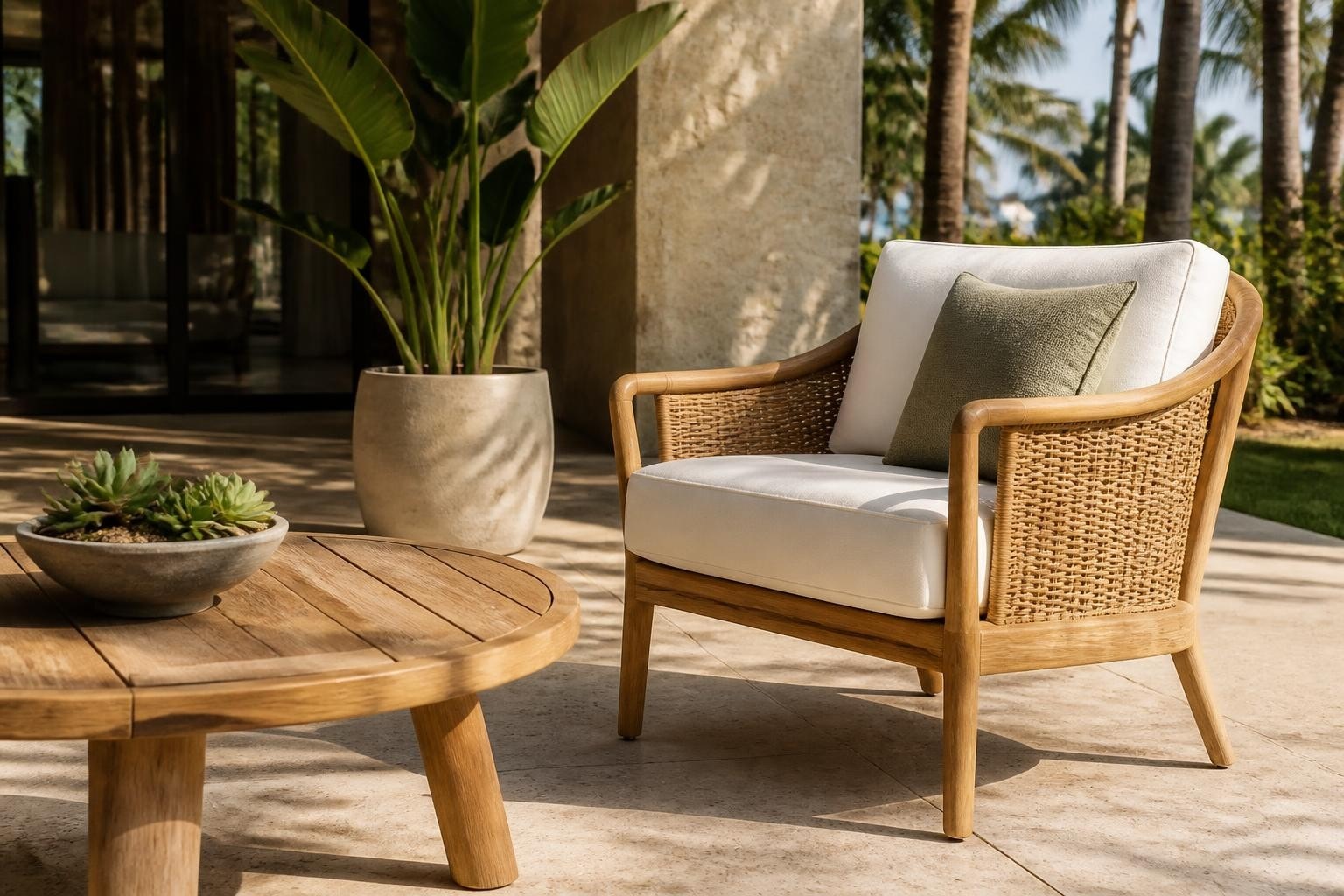
Wood and rattan furniture has become a cornerstone of hospitality design across the Western Cape, from boutique wine estates to luxury coastal lodges. These pieces combine the structural integrity of solid wood frames with the flexible, weather-resistant qualities of synthetic rattan weaving. For property managers and hospitality professionals, understanding how to select, maintain, and restore these furnishings can significantly impact both guest satisfaction and operational budgets. This comprehensive guide explores the unique characteristics of wood and rattan furniture, professional restoration approaches, and strategic maintenance practices that extend the lifespan of your investment.
Understanding Wood and Rattan Furniture Construction
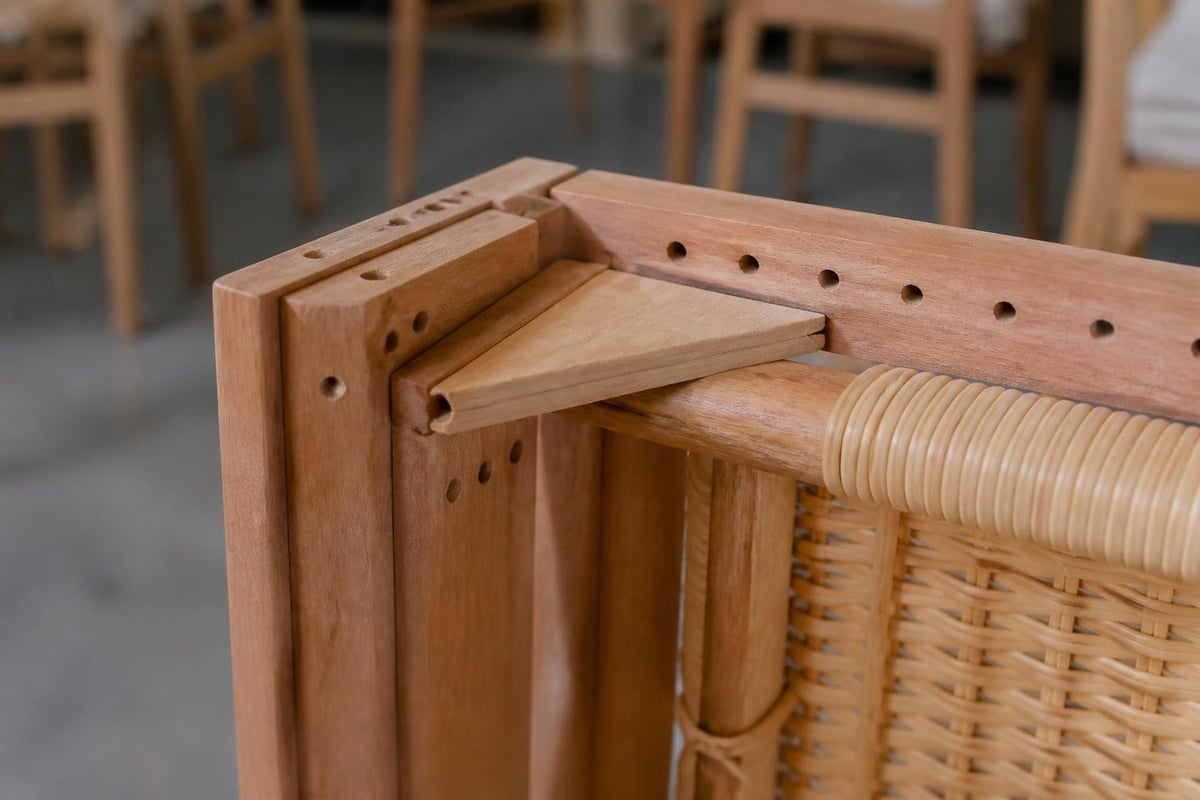
The foundation of quality wood and rattan furniture lies in its hybrid construction method. Solid wood frames, typically crafted from teak, eucalyptus, or aluminum-core materials, provide the structural skeleton that supports years of daily use.
Frame Materials and Their Properties
Different wood species offer distinct advantages for hospitality environments:
- Teak: Natural oils resist moisture and prevent warping in outdoor settings
- Eucalyptus: Cost-effective alternative with moderate weather resistance
- Aluminum-core frames: Lightweight construction with wood-grain finishes that eliminate rot concerns
- Acacia: Dense hardwood suitable for high-traffic commercial applications
The frame selection directly impacts how well synthetic rattan adheres and maintains tension over time. Wood frames expand and contract with humidity changes, which affects the weaving pattern's integrity.
Synthetic Rattan Weaving Techniques
Modern synthetic rattan has revolutionized outdoor furniture durability. Unlike natural materials, these polymer-based fibers resist UV degradation, moisture damage, and temperature fluctuations that plague traditional materials.
Professional weaving incorporates several patterns:
- Flat weave for contemporary aesthetics
- Round core weave for traditional appeal
- Mixed weave patterns combining textures
- Tight basket weave for maximum durability
The weaving density determines both appearance and longevity. Hospitality-grade furniture typically features tighter weaves that prevent sagging under repeated guest use.
Strategic Benefits for Hospitality Venues
Wood and rattan furniture delivers measurable advantages for commercial properties. These benefits extend beyond aesthetic appeal to impact operational efficiency and guest experience scores.
Operational Cost Considerations
| Factor | Wood and Rattan | Alternative Materials | Impact |
|---|---|---|---|
| Initial Investment | Moderate to High | Varies | Higher quality equals longer service life |
| Maintenance Frequency | Quarterly | Monthly | Reduced labor costs |
| Replacement Cycle | 7-10 years (with restoration) | 3-5 years | 40-60% cost savings |
| Guest Satisfaction | High | Variable | Positive review correlation |
Professional restoration services can extend furniture lifecycles by an additional five to seven years, transforming faded pieces into guest-ready assets without the capital expense of complete replacement.
The environmental profile of wood and rattan furniture aligns with sustainability initiatives many hospitality brands promote. According to Vincent Sheppard's research on rattan sustainability, synthetic materials can be recycled and repurposed, reducing landfill contributions.
Design Versatility Across Property Types
Different hospitality environments benefit from wood and rattan furniture in specific applications:
Wine Estates and Farm Lodges
- Natural materials complement rustic architectural elements
- Earthy tones create cohesive outdoor dining experiences
- Durable construction withstands agricultural dust and seasonal weather
Coastal Guesthouses
- Salt-resistant synthetic rattan prevents corrosion damage
- Light-colored weaving reflects heat in sun-exposed areas
- Frames resist moisture from sea air and humidity
Boutique Hotels
- Customizable weaving patterns match brand aesthetics
- Mixed material pieces transition seamlessly from indoor to outdoor spaces
- Modular configurations adapt to seasonal occupancy changes
Professional Restoration Versus Replacement
Property managers face critical decisions when wood and rattan furniture shows wear. Understanding restoration capabilities helps optimize capital expenditure timing and maintain consistent guest experiences.
Identifying Restoration Candidates
Not every piece merits professional restoration. Evaluate furniture based on these criteria:
- Frame Integrity: Check for structural cracks, loose joints, or rot
- Weave Condition: Assess percentage of damaged versus intact rattan
- Historical Value: Consider whether pieces contribute to property character
- Replacement Cost: Compare restoration expense to new furniture pricing
- Remaining Lifespan: Project additional service years post-restoration
Pieces with solid frames but compromised weaving represent ideal restoration candidates. The cost-effectiveness becomes apparent when comparing restoration to replacement expenses.

The Reweaving Process
Specialist craftsmen employ systematic approaches to restore wood and rattan furniture to original specifications. For hospitality venues throughout the Western Cape, Premium Synthetic Rattan Furniture Reweaving services transform sun-faded loungers and worn dining sets into guest-ready pieces that match original durability standards.
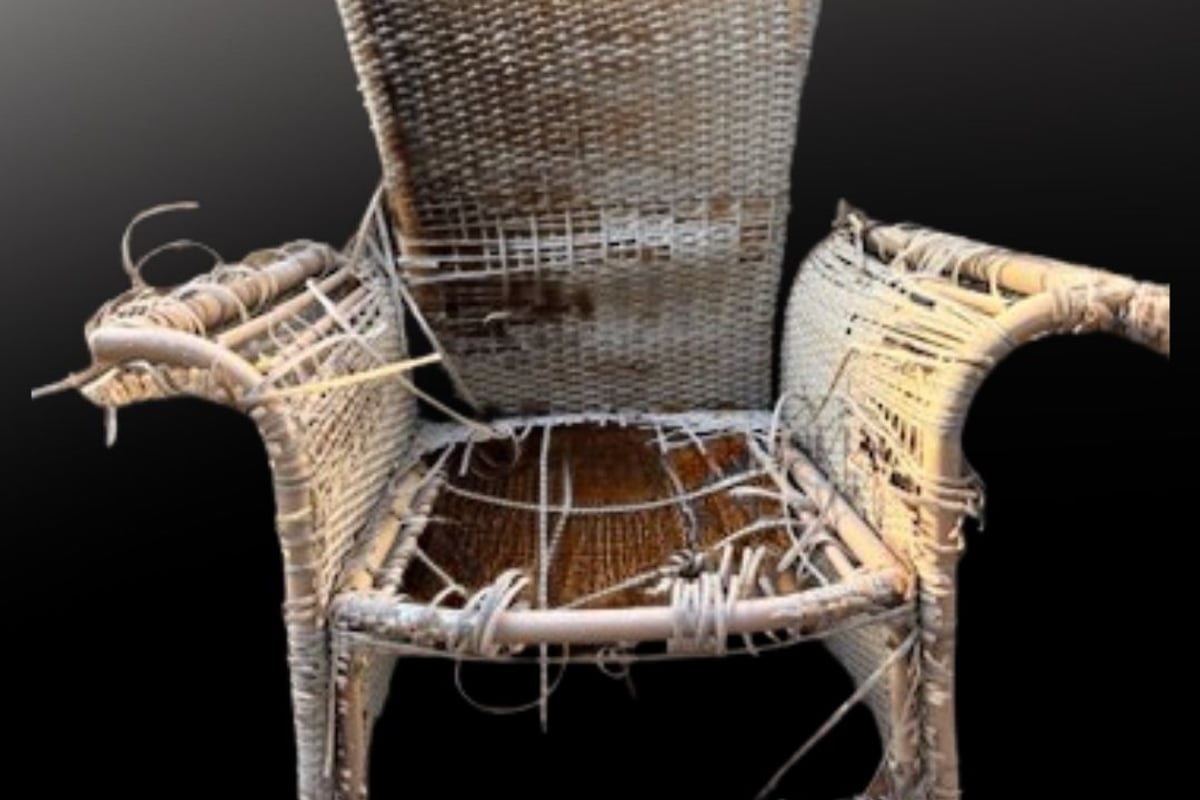
The restoration workflow includes:
- Complete removal of damaged synthetic rattan
- Frame inspection and reinforcement
- Wood refinishing or protective coating application
- Color-matched synthetic rattan selection
- Pattern replication using original weaving techniques
- Quality control inspection for tension and finish
Professional restoration typically requires two to four weeks depending on piece complexity and backlog. Planning restoration during off-season periods minimizes operational disruption.
Comprehensive Maintenance Strategies
Proactive care extends the interval between restoration cycles and preserves the visual appeal that influences guest perceptions. The maintenance guide from OKA emphasizes consistent care routines over intensive periodic treatments.
Daily and Weekly Protocols
High-Traffic Areas (poolside, dining terraces, lobby seating):
- Remove debris and loose dirt with soft-bristle brushes
- Spot-clean spills immediately using mild soap solutions
- Inspect furniture daily for emerging damage
- Rotate cushions to distribute wear patterns
Moderate-Use Zones (guest room balconies, garden seating):
- Weekly dusting of rattan surfaces
- Monthly deep cleaning with appropriate solutions
- Quarterly inspections for early deterioration signs
Seasonal Deep Cleaning
Comprehensive cleaning should occur at season transitions or before peak occupancy periods. EVRE's honest guide to rattan furniture care provides practical solutions for common hospitality challenges.
Spring Preparation Process:
- Thoroughly vacuum all rattan crevices using brush attachments
- Mix mild detergent with warm water (avoid harsh chemicals)
- Apply solution with soft cloths, working along weave patterns
- Rinse with clean water to prevent residue buildup
- Dry completely before returning furniture to service
- Apply protective treatments to wood frames
Winter Storage Considerations:
Wood and rattan furniture withstands Western Cape winters when properly prepared. Properties with storage capacity should:
- Clean and dry furniture completely before storage
- Stack pieces to minimize space requirements while preventing pressure damage
- Cover with breathable fabrics that allow air circulation
- Store in dry, ventilated areas away from direct ground contact
Environmental Protection Measures
Sun exposure, moisture, and temperature fluctuations challenge even the most durable wood and rattan furniture. Strategic placement and protective measures significantly extend service life.
UV Damage Prevention
Synthetic rattan resists UV degradation better than natural materials, but prolonged sun exposure still causes fading and brittleness. According to House of Aashari's comprehensive care guide, positioning furniture strategically reduces replacement frequency.
Placement Strategies:
- Utilize natural shade from trees, pergolas, or architectural elements
- Rotate furniture positions quarterly to distribute sun exposure
- Install retractable awnings for flexible protection
- Apply UV-protective treatments to synthetic rattan surfaces
Moisture Management
While synthetic rattan resists water better than natural alternatives, wood frames remain vulnerable to moisture damage. The cleaning and maintenance advice from Wicker Paradise addresses moisture-related challenges specific to outdoor environments.
Water Protection Protocols:
| Risk Factor | Prevention Method | Implementation Frequency |
|---|---|---|
| Rain exposure | Waterproof covers or storage | During storms |
| Poolside splash | Sealed wood finishes | Annual reapplication |
| Humidity absorption | Adequate air circulation | Continuous |
| Irrigation overspray | Strategic furniture placement | Initial setup |
Proper drainage around furniture prevents water pooling that accelerates deterioration. Ensure wood frames don't rest directly on constantly wet surfaces.
Design Integration Trends
Wood and rattan furniture continues evolving to meet contemporary hospitality design expectations. Understanding current trends helps properties maintain competitive appeal while preserving timeless qualities.
Color and Finish Options
Modern synthetic rattan manufacturing offers extensive customization:
- Natural earth tones: Browns, tans, and grays that complement organic settings
- Contemporary neutrals: Charcoal, taupe, and cream for minimalist aesthetics
- Bold accents: Navy, olive, or rust for statement pieces
- Mixed textures: Combining matte and glossy finishes within single pieces
Color selection should consider both immediate aesthetic goals and long-term maintenance implications. Lighter colors show stains more readily but create airy, spacious feelings in compact areas.
Blending Indoor and Outdoor Spaces
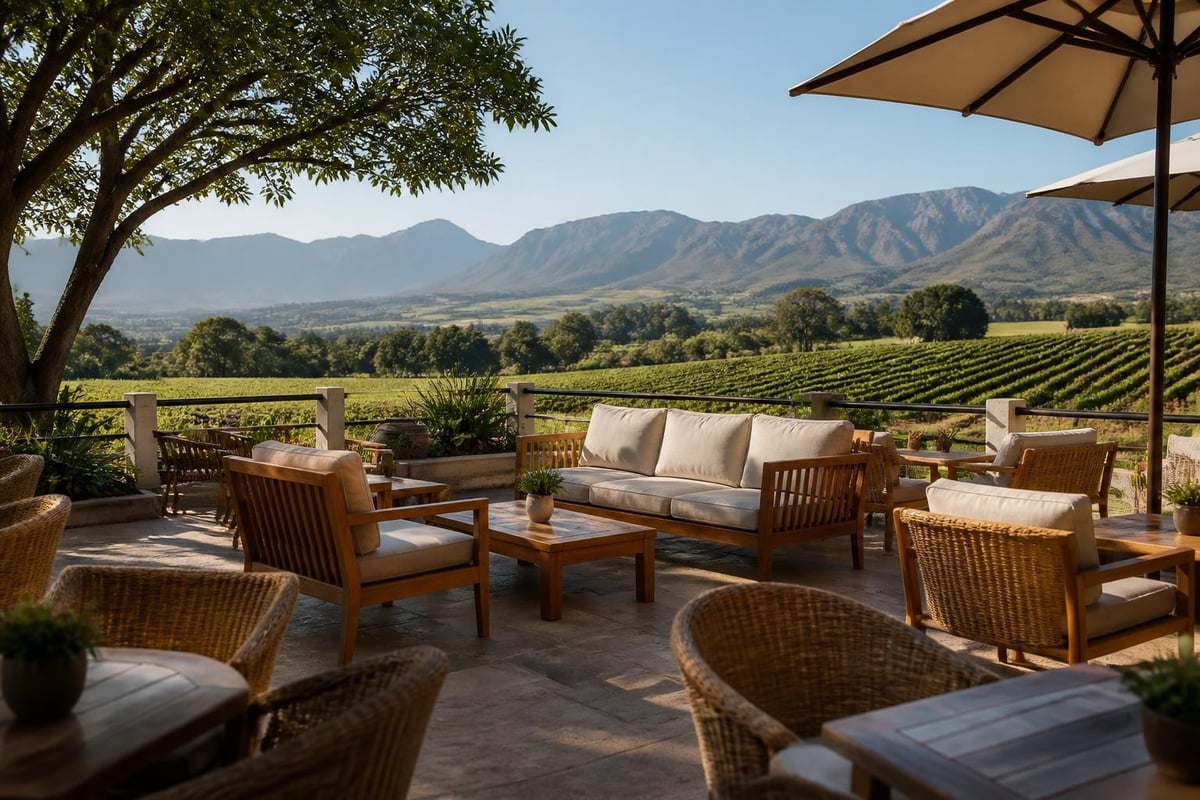
The versatility of wood and rattan furniture enables seamless transitions between interior and exterior hospitality spaces. Homes & Gardens explores creative rattan applications that demonstrate this material's adaptability.
Transitional Design Applications:
- Covered verandas with consistent furniture styling inside and outside
- Lobby areas featuring weather-resistant pieces near open-air elements
- Restaurant spaces extending onto terraces with matching seating
- Spa relaxation areas blurring boundaries between indoor comfort and outdoor ambiance
This approach creates visual continuity that enhances guest experience while maximizing furniture utility across property zones.
Procurement and Specification Guidelines
Selecting wood and rattan furniture for hospitality applications requires balancing immediate budget constraints with lifecycle cost considerations. Informed procurement decisions prevent premature failures and costly replacements.
Quality Indicators
Frame Construction Assessment:
- Joint quality (mortise-and-tenon preferred over simple screws)
- Wood moisture content (properly kiln-dried prevents warping)
- Finish application (multiple coats with proper curing time)
- Hardware quality (stainless steel or coated fasteners)
Synthetic Rattan Evaluation:
- UV resistance ratings from manufacturers
- Weave tightness and consistency
- Flexibility without brittleness
- Color consistency across pieces
Supplier Relationship Management
Long-term relationships with quality suppliers provide advantages beyond initial pricing:
- Consistent style availability for future additions
- Preferential lead times during peak demand
- Access to replacement parts for discontinued lines
- Technical support for maintenance questions
Request samples before large orders to verify quality standards match specifications. Physical inspection reveals details that photographs cannot communicate.
Staff Training for Furniture Care
Even the highest-quality wood and rattan furniture deteriorates rapidly without proper handling. Housekeeping and maintenance teams require specific training to preserve hospitality furnishings.
Training Program Components
Cleaning Technique Instruction:
- Appropriate cleaning solutions for different materials
- Proper tool selection that prevents damage
- Stain removal procedures for common hospitality spills
- Seasonal deep cleaning protocols
Damage Recognition Skills:
- Early identification of weave deterioration
- Frame weakness indicators
- When to escalate issues to management
- Documentation procedures for tracking furniture condition
Regular refresher training ensures consistency as staff turnover occurs. Visual guides posted in storage areas reinforce proper handling techniques.
Operational Checklists
Standardized inspection forms help teams maintain quality standards:
- Weekly visual inspections for high-use areas
- Monthly detailed assessments of all furniture
- Quarterly professional evaluations
- Annual restoration planning reviews
Digital tracking systems enable trend analysis that informs replacement timing and budget forecasting. Patterns in damage rates may indicate placement or usage issues requiring operational adjustments.
Budget Optimization Through Strategic Restoration
Smart hospitality operators view wood and rattan furniture as long-term assets requiring strategic lifecycle management. This perspective shifts purchasing from transactional to investment-oriented decision-making.
Lifecycle Cost Analysis
Calculate total ownership costs including:
- Initial purchase price
- Delivery and installation expenses
- Annual maintenance supplies and labor
- Scheduled restoration investments
- Expected replacement timeline
This comprehensive view often reveals that moderate initial investments in quality furniture with planned restoration significantly undercut repeated replacement of cheaper alternatives.
Restoration Scheduling Strategies
Properties should develop multi-year furniture maintenance plans:
Year 1-3: Preventive maintenance and minor repairs
Year 4-6: Targeted restoration of high-use pieces
Year 7-9: Comprehensive restoration program
Year 10+: Selective replacement and continued restoration
Spacing restoration work across budget years prevents capital expenditure spikes while maintaining consistent guest-facing quality.
Environmental Sustainability Considerations
Modern hospitality brands increasingly emphasize environmental responsibility. Wood and rattan furniture choices reflect these values while delivering practical benefits.
Material Sustainability
Synthetic rattan production has evolved to incorporate recycled materials and reduce environmental impact. When selecting suppliers, consider:
- Percentage of recycled content in synthetic rattan
- Manufacturing process energy efficiency
- Wood sourcing from certified sustainable forests
- End-of-life recyclability of materials
These factors contribute to property sustainability certifications like Green Key or EarthCheck that influence guest booking decisions.
Restoration as Waste Reduction
Professional restoration prevents functional furniture from reaching landfills. A typical outdoor dining set weighs 150-200 kilograms. Restoring rather than replacing prevents this waste while conserving manufacturing resources required for new production.
Marketing these sustainability efforts resonates with environmentally conscious guests. Share restoration stories through property communications to demonstrate tangible environmental commitments beyond policy statements.
Wood and rattan furniture represents a strategic investment for hospitality properties seeking durability, aesthetic appeal, and operational efficiency. Proper maintenance, timely restoration, and informed procurement decisions maximize the value these pieces deliver across their extended service lives. When your hospitality furniture shows signs of wear, Rattan Furniture Restoration brings decades of specialized expertise to Western Cape hotels, guesthouses, wine estates, and lodges, transforming tired pieces into guest-ready assets that preserve your property's distinctive character while controlling capital expenditure.