
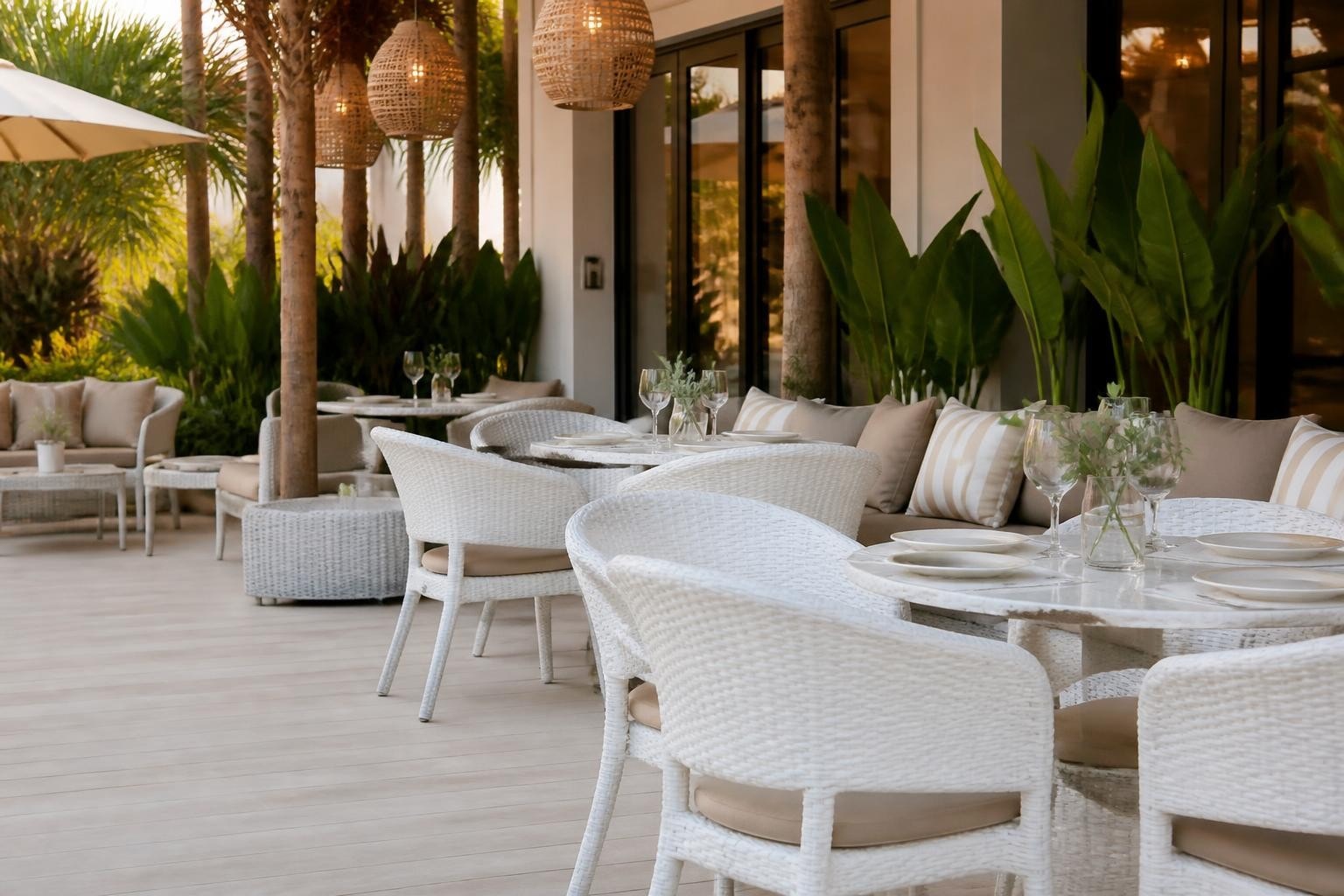
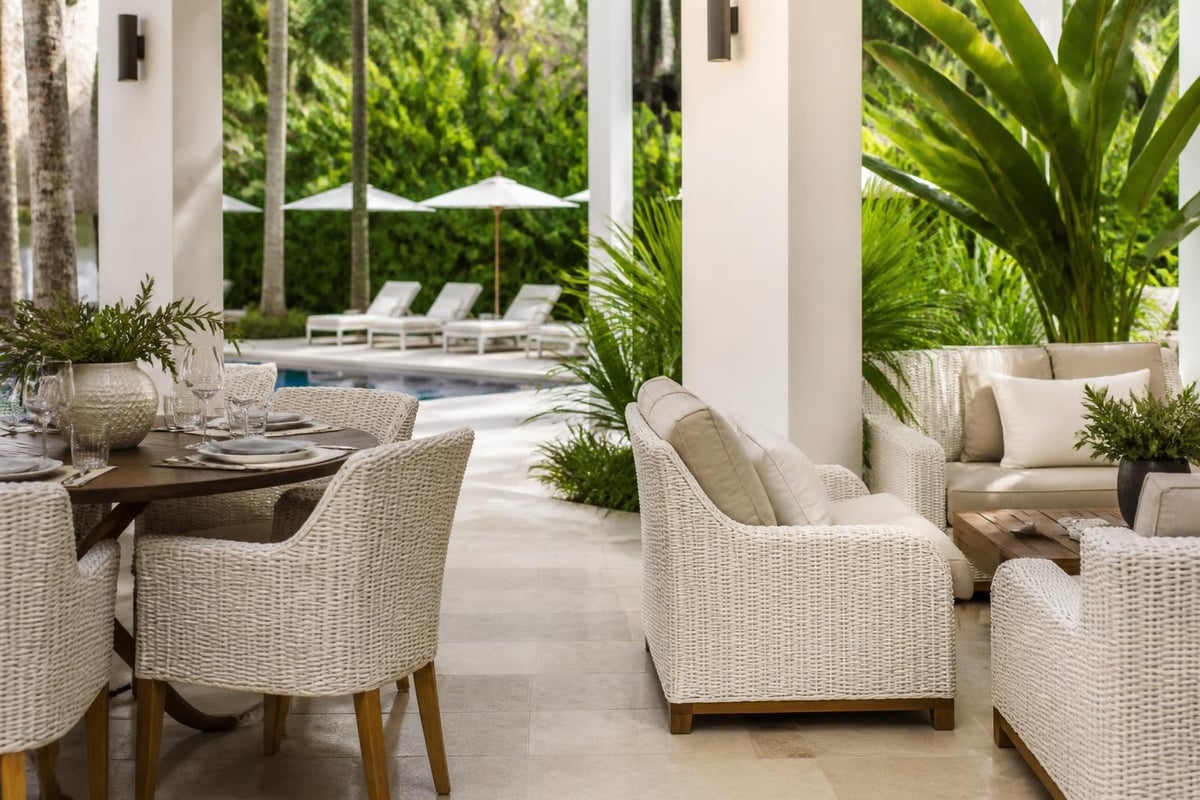
White rattan patio furniture has become the cornerstone of sophisticated outdoor hospitality design across hotels, guesthouses, and wine estates throughout the Western Cape. This versatile material combines timeless elegance with practical durability, making it an ideal choice for establishments seeking to create memorable guest experiences. The pristine white finish offers a clean, contemporary aesthetic that complements both coastal properties and inland retreats, while synthetic rattan construction ensures year-round performance in South Africa's diverse climate conditions.
Why White Rattan Dominates Hospitality Outdoor Spaces
The hospitality industry has embraced white rattan patio furniture for compelling reasons that extend beyond aesthetics. Synthetic rattan, specifically in white finishes, offers properties a low-maintenance solution that maintains its appearance despite constant guest use and exposure to the elements.
Design Versatility Across Property Types
White rattan furniture adapts seamlessly to multiple hospitality environments. Its neutral palette serves as a blank canvas that property managers can customize with seasonal cushions and accessories. This adaptability proves particularly valuable for:
- Wine estates seeking to create elegant tasting terraces
- Boutique hotels designing Instagram-worthy poolside lounging areas
- Guesthouses establishing welcoming outdoor dining spaces
- Lodges balancing luxury with natural surroundings
- Restaurants extending seating capacity to outdoor patios
The timeless quality of rattan outdoor furniture has been recognized for centuries, yet modern synthetic materials have elevated its performance for commercial applications.
Climate Resilience for Western Cape Conditions
Properties throughout the Western Cape face unique environmental challenges. White synthetic rattan handles these conditions with exceptional performance compared to natural materials.
| Weather Challenge | White Rattan Performance | Traditional Material Issues |
|---|---|---|
| Intense UV exposure | Fade-resistant polymers | Wood cracks, natural rattan brittles |
| Coastal salt spray | Non-corrosive materials | Metal rust, wood deterioration |
| Seasonal rainfall | Water-resistant weave | Mold growth, structural weakening |
| Temperature fluctuations | Stable construction | Warping, joint separation |
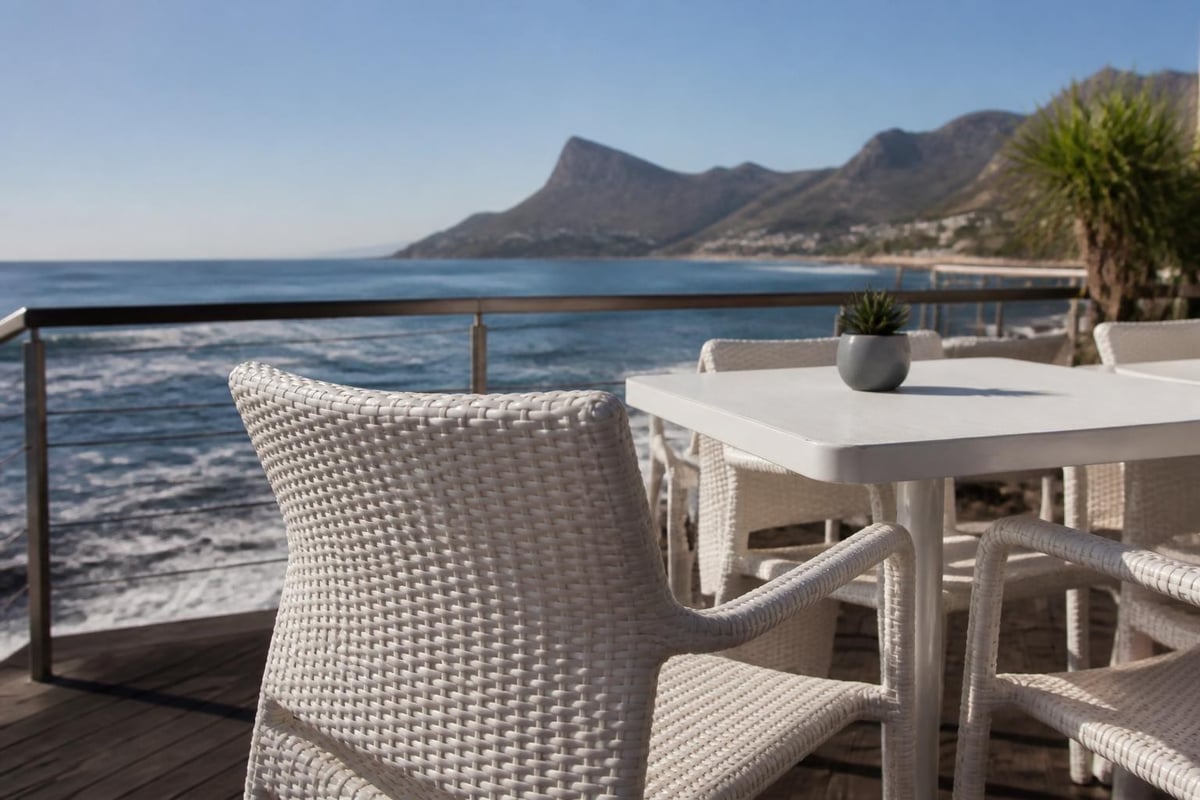
Selecting Premium White Rattan Furniture for Commercial Use
Hospitality venues require furniture that balances guest comfort with operational longevity. Not all white rattan patio furniture meets the rigorous demands of commercial environments.
Construction Quality Indicators
Frame integrity forms the foundation of durable outdoor furniture. Commercial-grade pieces feature aluminum or steel frameworks powder-coated for corrosion resistance. The synthetic rattan weave should demonstrate:
- Consistent tension across all surfaces
- Secure attachment points without gaps
- UV-stabilized polymer composition
- Rounded edges for guest safety
- Reinforced stress points at joints
Property managers should examine the weave pattern density. Tighter weaves provide superior support and resist sagging under frequent use. The best rattan garden furniture incorporates high-density polyethylene (HDPE) that maintains its structure through thousands of seating cycles.
Sizing and Configuration for Guest Flow
Strategic furniture selection optimizes both space utilization and guest experience. White rattan collections typically include multiple piece types that can be configured for various hospitality needs.
Lounge areas benefit from modular sectionals that accommodate group sizes from intimate couples to larger parties. Dining configurations require tables with stable bases and chairs with appropriate seat heights (typically 45-50cm for standard dining tables).
Consider these spacing guidelines for optimal guest comfort:
- Allow 90-120cm between table edges for service staff passage
- Position lounge seating 60-90cm apart for conversation without crowding
- Maintain 150cm minimum pathways for accessibility compliance
- Reserve corner spaces for statement pieces like hanging chairs or daybeds
Maintenance Protocols for Hospitality Settings
White rattan patio furniture demands consistent maintenance to preserve its guest-ready appearance. Commercial environments experience accelerated wear compared to residential applications, making proactive care essential.
Daily and Weekly Cleaning Routines
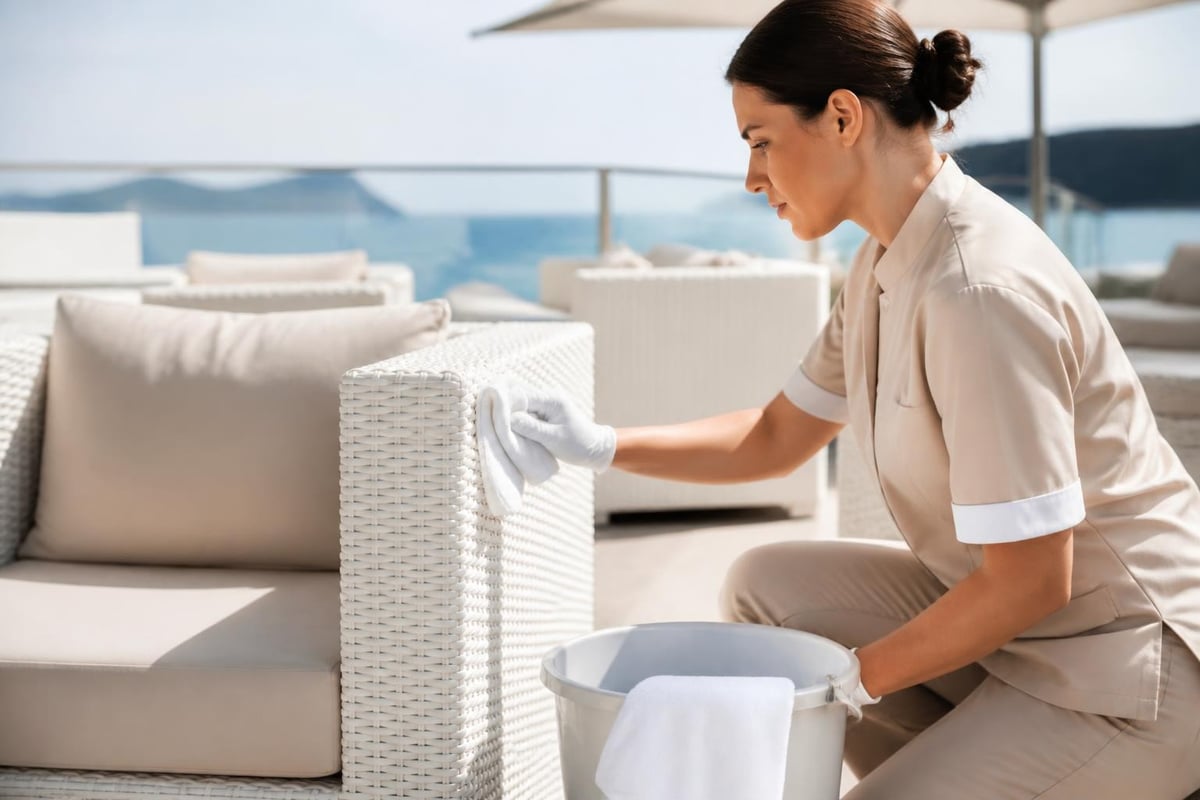
Preventive maintenance dramatically extends furniture lifespan. Housekeeping teams should implement these protocols:
- Remove debris with soft-bristle brushes daily
- Wipe frames with damp microfiber cloths weekly
- Address spills immediately to prevent staining
- Inspect weave integrity during routine cleaning
- Document any damage for timely repairs
For white finishes, mild soap solutions (pH-neutral dishwashing liquid in warm water) effectively remove general soiling without damaging protective coatings. Avoid abrasive cleaners or high-pressure washing that can degrade synthetic rattan fibers.
Seasonal Deep Cleaning Methods
Quarterly deep cleaning maintains the brilliant white appearance that guests expect. This process involves:
- Pre-treatment of heavily soiled areas with specialized outdoor furniture cleaner
- Gentle scrubbing using soft brushes to penetrate weave patterns
- Thorough rinsing to remove all cleaning residue
- Complete drying before returning to service
- Protective treatment application for UV and moisture resistance
Properties near coastal areas should increase deep cleaning frequency to monthly intervals due to salt accumulation. The techniques used for maintaining contemporary rattan garden furniture apply equally to hospitality environments with appropriate scaling for commercial volume.
Design Trends Shaping White Rattan Furniture in 2026
The hospitality industry continually evolves its aesthetic approach to outdoor spaces. White rattan patio furniture remains relevant through design innovation that meets changing guest expectations.
Biophilic Design Integration
Modern properties incorporate natural elements throughout their spaces, and white rattan serves as the perfect bridge between indoor comfort and outdoor environments. This approach creates psychological benefits for guests seeking relaxation and connection with nature.
Design strategies include:
- Pairing white rattan with live plantings in integrated planters
- Using natural fiber cushions in earth tones
- Incorporating reclaimed wood accent tables
- Installing living walls as backdrops for seating areas
- Selecting pieces with organic curved lines
Curated Color Palette Coordination
While the furniture maintains its white foundation, successful hospitality design builds sophisticated color stories through accessories. Current trends favor:
| Color Direction | Application | Guest Psychology |
|---|---|---|
| Mediterranean blues | Cushions, umbrellas | Calm, coastal luxury |
| Warm terracottas | Throw pillows, planters | Welcoming, grounded |
| Forest greens | Upholstery, pergola fabrics | Refreshing, natural |
| Soft grays | Accent tables, outdoor rugs | Sophisticated, contemporary |
The clean white base allows seasonal refreshes without complete furniture replacement, offering excellent return on investment for hospitality operators. Properties can reference inspiration from celebrity outdoor spaces while adapting concepts to their unique brand identity.
Restoration Versus Replacement Economics
Hospitality furniture faces inevitable wear despite quality construction and maintenance. Property managers must evaluate when restoration makes financial and operational sense.
Calculating True Cost of Ownership
Initial investment represents only one component of furniture expenses. A comprehensive analysis includes:
- Purchase price and delivery costs
- Expected service life under commercial use
- Annual maintenance expenses
- Storage requirements during off-seasons
- Disposal costs at end of life
- Brand reputation impact of furniture condition
White rattan patio furniture typically delivers 7-10 years of service in hospitality environments with proper care. However, visible wear often occurs around year 4-5, particularly in high-traffic areas or exposed locations.
When Restoration Delivers Superior Value
Professional restoration extends furniture life by 3-5 years at approximately 40-60% the cost of replacement. This option proves particularly valuable when:
- Frame structures remain sound despite cosmetic wear
- Weave damage is localized rather than systemic
- Color fading affects aesthetics but not structural integrity
- Budget constraints limit capital expenditure
- Sustainable practices align with property branding
For establishments throughout the Western Cape, Premium Synthetic Rattan Furniture Reweaving offers specialized restoration services that return pieces to guest-ready condition. Expert artisans reweave damaged sections and refresh faded finishes, delivering cost-effective alternatives to complete replacement while maintaining the quality standards hospitality properties demand.
Inventory Management Strategies
Smart hospitality operators maintain furniture rotation systems that distribute wear across their inventory. This approach involves:
- Cataloging all white rattan pieces with purchase dates and condition assessments
- Moving high-traffic area furniture to moderate-use zones after 2-3 years
- Rotating reserve pieces into service during peak seasons
- Scheduling restoration during low-occupancy periods
- Maintaining 10-15% backup inventory for immediate replacements
Space Planning for Maximum Impact
White rattan patio furniture creates the greatest value when thoughtfully positioned throughout hospitality properties. Strategic placement enhances both aesthetic appeal and functional performance.
Zoning Outdoor Environments
Successful outdoor spaces incorporate distinct zones that serve different guest needs. Activity-based planning might include:
- Social hubs with conversational seating arrangements using sectionals and coffee tables
- Dining zones featuring coordinated table and chair sets with proper lighting
- Relaxation areas offering chaise lounges and daybeds with privacy screens
- Transitional spaces connecting indoor and outdoor areas with benches and accent chairs
- Focal points showcasing statement pieces like hanging chairs or swing seats
Each zone should maintain visual connection to others while offering distinct experiences. White rattan's consistent aesthetic ties these areas together without monotony when varied through piece types and configurations.
Lighting and Accessory Integration
Nighttime usability extends revenue opportunities for restaurants and bars. White rattan furniture reflects ambient lighting beautifully, creating warm atmospheres after sunset. Consider these enhancement strategies:
- Installing LED strip lighting beneath seating platforms
- Using solar-powered table lamps on dining surfaces
- Hanging string lights above conversational areas
- Positioning uplighting to highlight architectural plantings
- Incorporating fire features as natural gathering points
Properties can explore additional design inspiration through bespoke furniture solutions tailored to their unique spatial requirements and brand aesthetics.
Customization Options for Brand Differentiation
While white rattan patio furniture offers broad appeal, hospitality properties benefit from customization that reinforces their unique identity and elevates guest experience beyond commodity offerings.
Cushion and Upholstery Strategies
Fabric selection transforms standard furniture into branded experiences. Commercial-grade outdoor fabrics should meet these criteria:
- Solution-dyed acrylic construction for colorfastness
- Minimum 50,000 double rub durability rating
- Water and stain resistance treatment
- UV protection for 1,500+ hours exposure
- Antimicrobial properties for hygiene
Custom cushions allow properties to incorporate:
- Brand colors in coordinated palettes
- Unique patterns reflecting regional character (fynbos motifs, wine country themes)
- Varied textures creating sensory interest
- Monogrammed details for luxury positioning
- Seasonal rotation keeping spaces fresh
Accessory Coordination Systems
Beyond cushions, strategic accessories complete the outdoor environment. White rattan serves as the foundation for layered design including:
- Outdoor rugs defining conversation areas and adding texture
- Throw pillows introducing pattern without overwhelming spaces
- Side tables in complementary materials (teak, powder-coated metal, stone)
- Umbrellas and shade structures in coordinated colors
- Planters and greenery softening hard surfaces
For ongoing inspiration and maintenance guidance, properties can reference resources available through the Rattan Furniture blog, which addresses common challenges and emerging trends specific to the Western Cape hospitality market.
Sustainable Practices and Guest Expectations
Modern travelers increasingly select accommodations based on environmental commitments. White rattan patio furniture aligns with sustainability goals when managed thoughtfully.
Material Lifecycle Considerations
Synthetic rattan offers environmental advantages over alternatives when evaluating complete lifecycles:
| Sustainability Factor | Synthetic Rattan | Natural Rattan | Metal/Wood |
|---|---|---|---|
| Resource extraction | Recycled plastics available | Harvest impacts forests | Mining/logging required |
| Manufacturing energy | Moderate | Low | High (especially aluminum) |
| Transportation weight | Light | Light | Heavy |
| Service life | 7-10 years | 3-5 years | 5-15 years |
| Maintenance chemicals | Minimal | Moderate | High (treatments, paints) |
| End-of-life options | Recyclable | Biodegradable | Mixed recyclability |
Communicating Restoration as Sustainability
Properties that invest in professional restoration demonstrate environmental stewardship that resonates with conscious travelers. Marketing this commitment involves:
- Highlighting restoration programs in property descriptions
- Showcasing before-and-after transformations on social media
- Including sustainability practices in guest welcome materials
- Training staff to discuss environmental initiatives when asked
- Partnering with local restoration specialists to support regional economy
This narrative transforms furniture maintenance from operational necessity into brand differentiator. Guests appreciate knowing their patronage supports businesses that prioritize resource conservation over disposable consumption.
Staff Training for Furniture Longevity
Even premium white rattan patio furniture deteriorates prematurely without proper handling. Hospitality properties should implement comprehensive training programs ensuring all staff understand their role in asset preservation.
Housekeeping Best Practices
Daily interactions between housekeeping teams and outdoor furniture represent the frontline of maintenance. Training modules should cover:
- Correct lifting techniques preventing frame stress
- Appropriate cleaning products and application methods
- Recognition of early damage requiring professional attention
- Proper cushion storage during inclement weather
- Documentation protocols for inventory management
Role-specific checklists ensure consistency across shifts and staff turnover. Visual guides with photos of correct procedures prove particularly effective for multilingual teams common in Western Cape hospitality.
Front-of-House Guest Management
Service staff influence how guests interact with furniture. Training should address:
- Polite redirection when guests move furniture improperly
- Proactive assistance arranging seating for large groups
- Immediate cleanup protocols for spills on cushions
- Weather monitoring prompting protective measures
- Guest education about furniture features when appropriate
Properties that empower staff with knowledge create better guest experiences while protecting their furniture investments. The approach used for managing contemporary outdoor furniture in residential settings scales effectively to commercial environments with appropriate procedural documentation.
Future-Proofing Your Outdoor Furniture Investment
The hospitality industry faces constant evolution in design preferences, guest expectations, and operational requirements. Strategic planning ensures white rattan patio furniture remains a valuable asset throughout its service life.
Modular Systems for Flexibility
Adaptable configurations provide maximum long-term value. Rather than purchasing fixed arrangements, properties benefit from modular collections allowing:
- Reconfiguration for different event types
- Expansion as business grows
- Replacement of individual damaged pieces
- Seasonal storage optimization
- Transfer between property locations for multi-site operators
Modular approaches require careful initial planning to ensure pieces can combine in multiple arrangements while maintaining aesthetic cohesion. Working with experienced suppliers or through Rattan Furniture Restoration ensures compatibility across purchase cycles.
Technology Integration Considerations
Modern guests expect connectivity even in outdoor spaces. Infrastructure planning should accommodate:
- Weatherproof power outlets for device charging
- Wi-Fi coverage extending to all seating areas
- Subtle cable management for added lighting or audio
- Smart controls for shade systems or heating elements
- Reservation systems for premium outdoor spaces
These technological elements integrate most successfully when considered during initial furniture selection and placement rather than retrofitted afterward.
White rattan patio furniture delivers exceptional value to Western Cape hospitality properties through its combination of timeless aesthetics, practical durability, and maintenance efficiency. Whether furnishing a new outdoor space or refreshing existing areas, strategic selection and proactive care ensure these investments continue enhancing guest experiences for years. When your establishment's outdoor furniture shows signs of wear, professional restoration services from Rattan Furniture Restoration return pieces to guest-ready condition at a fraction of replacement costs, supporting both your operational budget and sustainability commitments.