
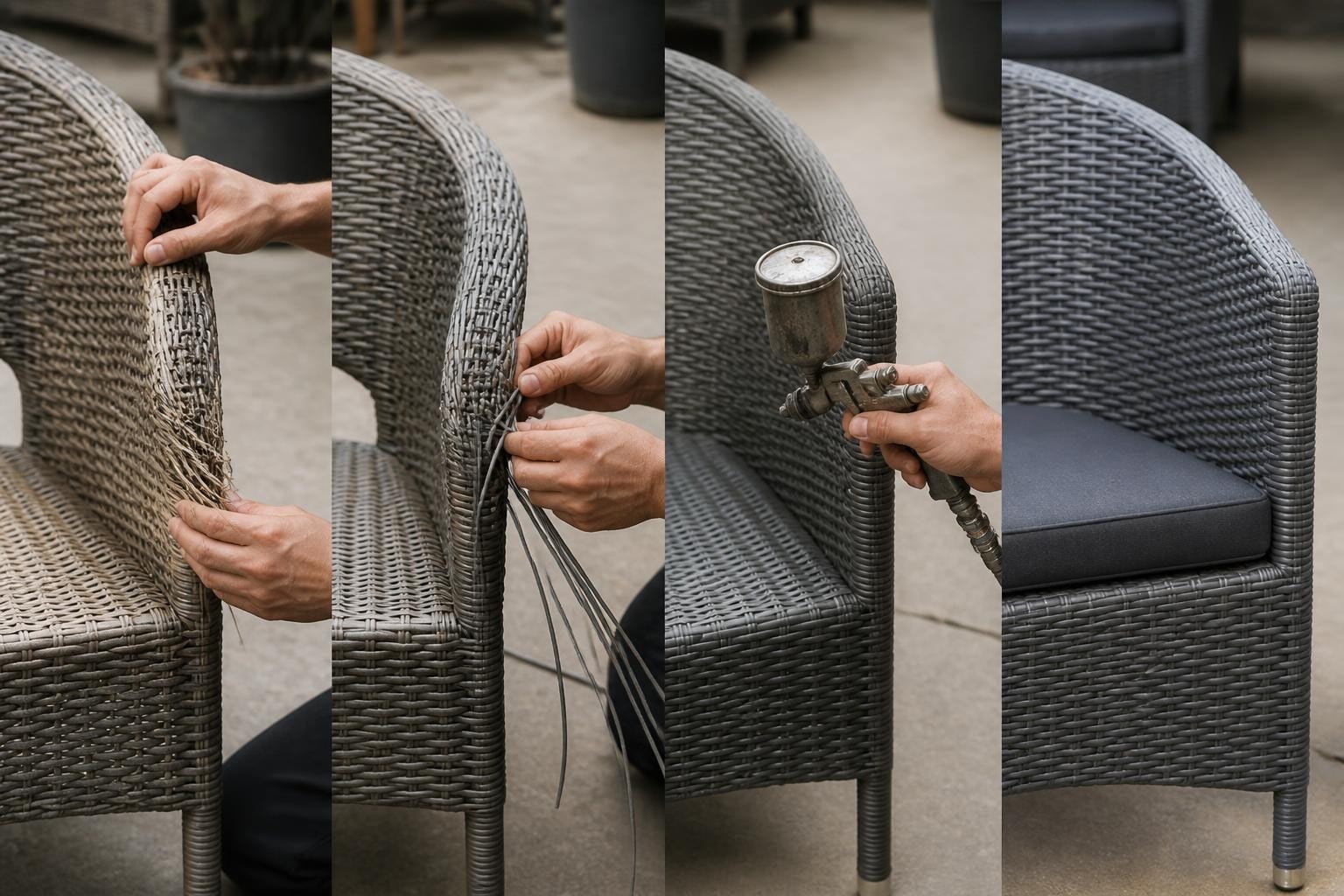
Synthetic rattan furniture has become the cornerstone of outdoor hospitality spaces across the Western Cape, gracing poolside terraces, vineyard patios, and coastal guesthouses with elegant durability. However, even the most premium pieces eventually show signs of wear from constant guest use, UV exposure, and weather conditions. Understanding the repair of rattan furniture is essential for hospitality managers and property owners who want to maintain their investment while ensuring their outdoor spaces remain inviting and professional. This comprehensive guide explores proven restoration techniques, maintenance strategies, and professional approaches that extend the lifespan of synthetic rattan pieces without the substantial cost of replacement.
Understanding Synthetic Rattan Furniture Damage
The first step in successful repair of rattan furniture involves accurate damage assessment. Synthetic rattan, also known as resin rattan or PE rattan, differs significantly from natural materials in both construction and repair requirements.
Common Types of Damage
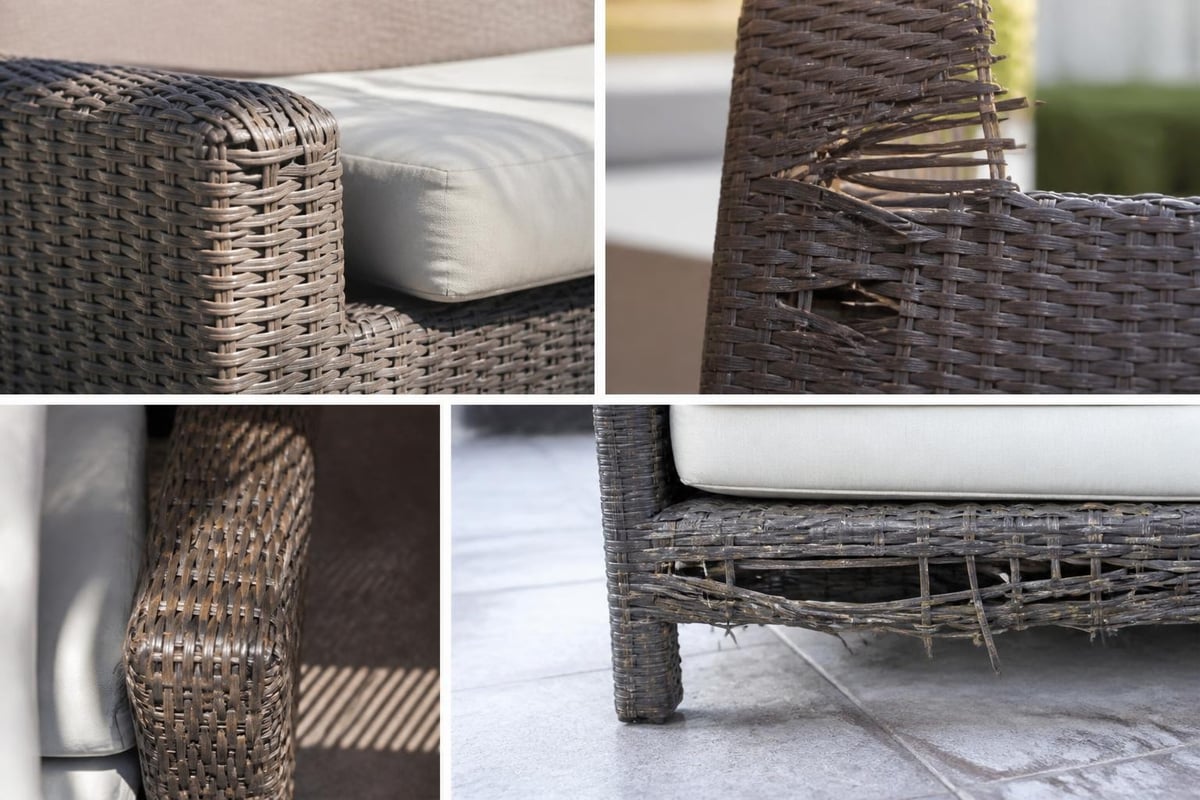
Sun-Related Deterioration represents the most prevalent issue in Western Cape hospitality environments. Extended UV exposure causes color fading, brittleness, and eventual cracking of synthetic strands. This deterioration typically begins on furniture sections facing north or west, where sun intensity peaks during afternoon hours.
Guest-Use Wear manifests differently across various furniture types. Dining chairs experience stress points around armrests and seat edges, while loungers show damage along reclining mechanisms and weight-bearing sections. High-traffic areas near pool bars or reception patios accelerate these wear patterns significantly.
Material Composition Analysis
Understanding what you're repairing makes the difference between temporary fixes and lasting solutions. Synthetic rattan consists of several material grades:
- High-Density Polyethylene (HDPE) offers superior UV resistance and longevity
- Standard PE rattan provides good durability at moderate price points
- PVC-based alternatives show faster degradation under harsh conditions
- Hybrid composites combine multiple materials for specific performance characteristics
Each material type requires different repair approaches and replacement strand matching. Proper care and maintenance routines can prevent many common damage scenarios, but eventual restoration becomes necessary for commercial-grade furniture.
Professional Assessment and Repair Planning
Strategic planning separates successful restoration from costly mistakes. Professional repair of rattan furniture begins with comprehensive evaluation protocols that identify both visible damage and underlying structural issues.
Inspection Framework
| Assessment Area | Inspection Points | Action Triggers |
|---|---|---|
| Frame Integrity | Welds, joints, stability | Wobbling, rust, cracks |
| Weave Condition | Breaks, looseness, fading | Multiple breaks, sagging |
| Structural Support | Cross-members, reinforcements | Weakness under pressure |
| Finish Quality | Color consistency, UV damage | Significant fading, brittleness |
Documentation protocols prove essential for hospitality venues managing multiple furniture sets. Photograph each piece from multiple angles, noting damage locations, severity levels, and priority rankings. This systematic approach enables budget planning and phased restoration schedules that minimize operational disruption.
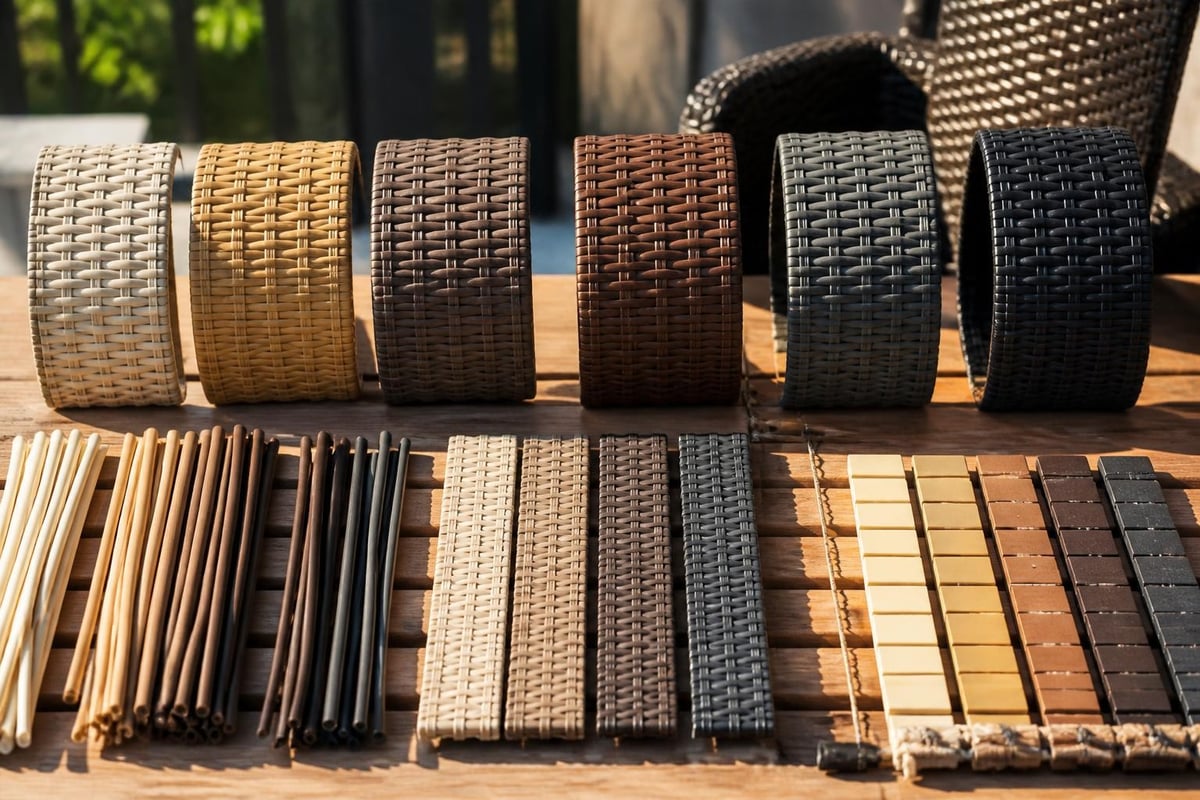
Strand matching requires precise attention to detail. Synthetic rattan comes in numerous profiles, widths, and colors. Professional restorers maintain extensive strand libraries, but property managers should retain samples from original purchases to ensure perfect matches during future repairs.
Reweaving Techniques for Synthetic Rattan
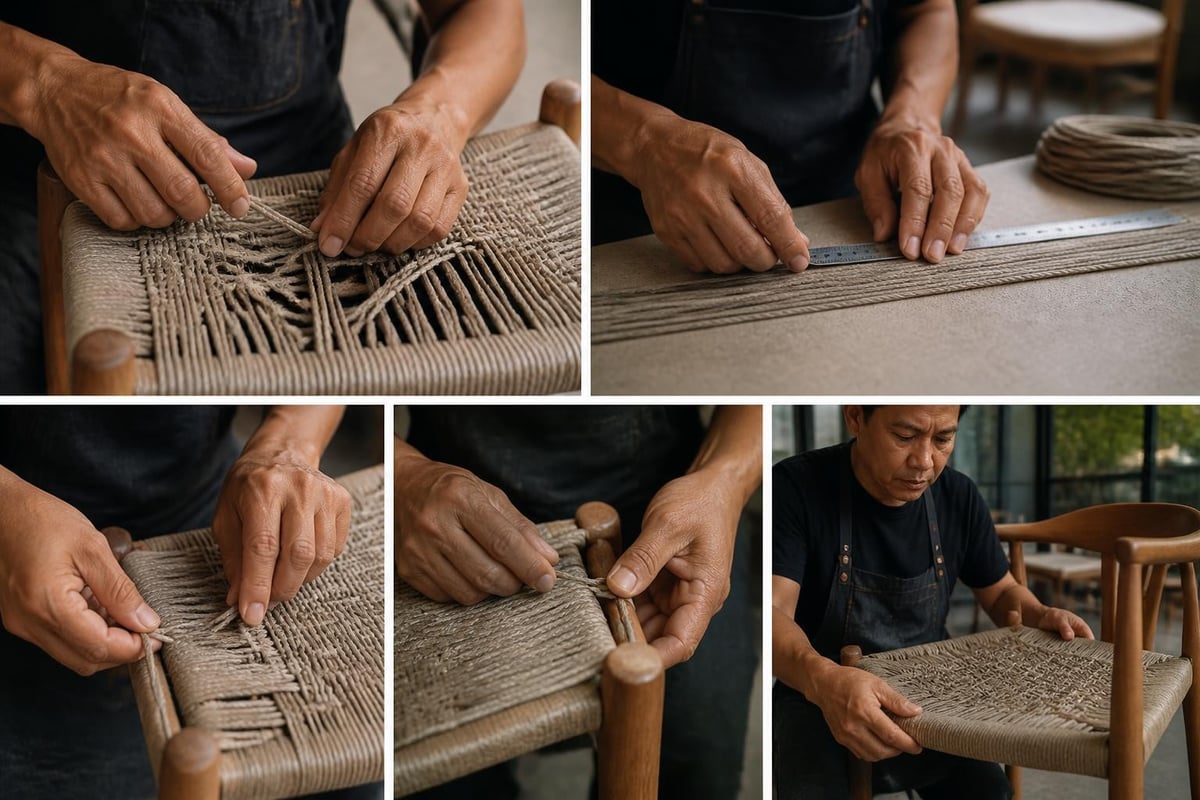
The repair of rattan furniture reaches its most technical phase during reweaving processes. This skilled work demands specialized tools, quality materials, and extensive experience to achieve seamless results.
Essential Reweaving Methods
Pattern preservation maintains the original aesthetic that defines each furniture piece. Common synthetic rattan weaving patterns include:
- Flat weave - Simple over-under pattern common in modern designs
- Basket weave - Creates checkerboard appearance with paired strands
- Herringbone - Diagonal pattern offering visual interest
- Custom patterns - Unique designs requiring specialized expertise
Tension management separates amateur attempts from professional results. Each strand must maintain consistent tightness throughout the weave pattern. Too loose, and the repair sags within weeks. Too tight, and surrounding strands experience stress that accelerates future damage.
Tools and Materials Requirements
Professional reweaving demands specific equipment:
- Strand cutters designed for synthetic materials without fraying
- Weaving needles in various sizes matching strand widths
- Heat guns for securing strand ends through controlled melting
- Tension gauges ensuring consistent weave tightness
- UV-resistant adhesives for securing critical junction points
Quality replacement strands make substantial difference in longevity. Premium synthetic rattan features UV stabilizers, color-fast additives, and enhanced flexibility that resists cracking during the weaving process. Seasonal maintenance routines complement repair work by protecting newly restored sections.
Frame Restoration and Structural Repairs
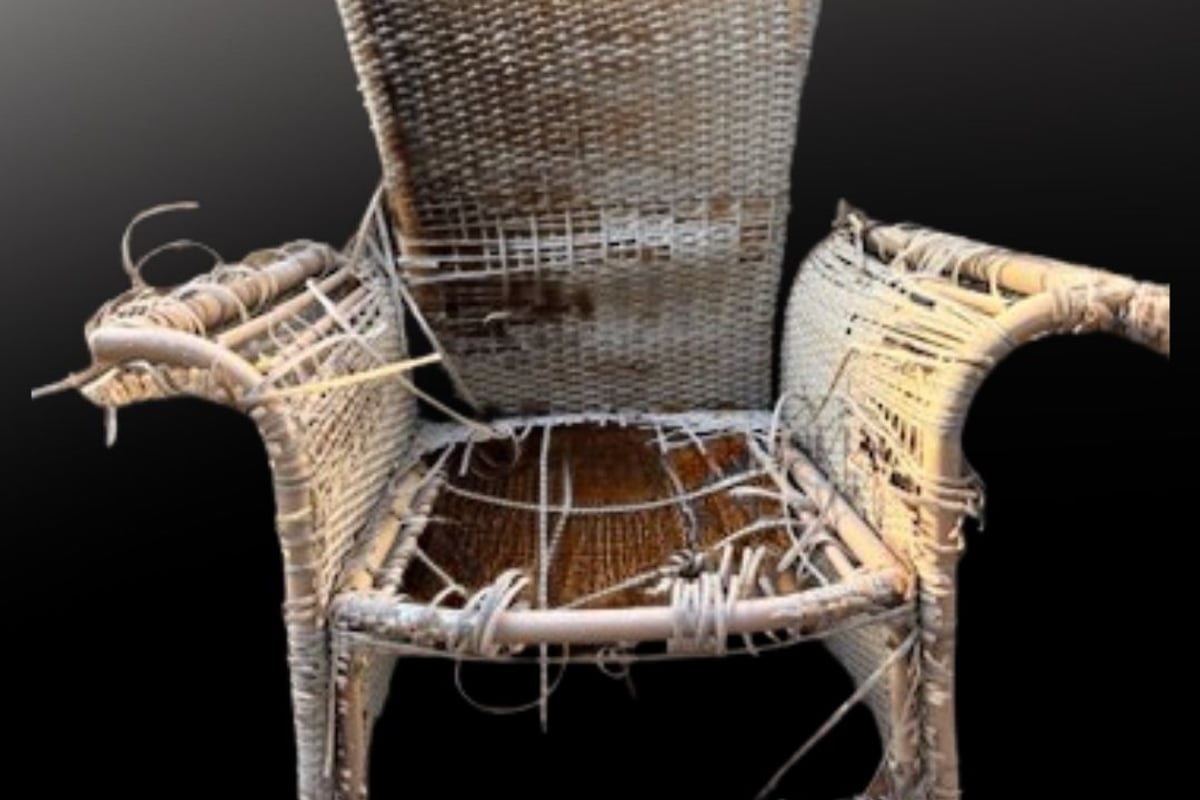
While reweaving addresses visible damage, frame integrity determines whether repair of rattan furniture proves worthwhile. Hospitality pieces endure substantial stress that eventually compromises underlying structures.
Aluminum Frame Restoration
Most quality synthetic rattan furniture utilizes powder-coated aluminum frames. Restoration involves:
Surface preparation removes existing damage through careful cleaning and light sanding. Avoid aggressive abrasion that compromises the protective coating unnecessarily. Focus on rust spots, corrosion areas, and damaged coating sections.
Structural reinforcement addresses weakened joints and connections. Professional techniques include welding repairs, reinforcement plate installation, and joint stabilization systems that restore original strength ratings.
Refinishing applications protect repaired frames while matching original aesthetics. Powder coating replication requires professional equipment, but quality spray finishes provide excellent protection when applied correctly.
Steel Frame Considerations
Some hospitality furniture incorporates steel frames requiring different approaches:
- Rust remediation through chemical conversion or mechanical removal
- Protective coating application using rust-inhibiting primers
- Joint reinforcement via welding or mechanical fastener systems
- Weight capacity verification ensuring guest safety post-repair
For properties managing extensive furniture collections, professional restoration services deliver superior results compared to in-house attempts. The specialized equipment, material access, and technical expertise justify the investment through extended furniture lifespan and maintained aesthetic standards.
When your hospitality venue requires expert attention to sun-faded loungers or heavily used dining sets, Premium Synthetic Rattan Furniture Reweaving services provide the craftsmanship needed to restore pieces to guest-ready condition.
Color Restoration and UV Protection
Color consistency defines professional-grade repair of rattan furniture. Fading represents one of the most visible damage types, particularly problematic for hospitality venues where aesthetic cohesion impacts guest perception.
Color Matching Strategies
Strand replacement offers the most reliable color matching when manufacturers maintain consistent product lines. Original furniture documentation including model numbers and strand specifications enables precise matching years after initial purchase.
Dyeing techniques provide solutions when exact strand matches prove unavailable. Professional-grade synthetic rattan dyes penetrate material surfaces, offering:
- UV-resistant formulations preventing rapid re-fading
- Flexible finish preventing cracking during furniture use
- Weather-resistant properties maintaining color through seasons
- Multiple application methods from spray to immersion techniques
Partial restoration approaches balance budget constraints with aesthetic requirements. Strategic reweaving of highly visible sections while leaving less noticeable areas creates cost-effective solutions for large furniture collections.
UV Protection Applications
Post-repair protection extends restoration investments. Understanding proper care techniques helps maintain repaired furniture longer. Professional-grade UV protectants include:
| Product Type | Application Method | Protection Duration | Best Use Cases |
|---|---|---|---|
| Spray sealants | Aerosol application | 6-12 months | Quick touch-ups |
| Wipe-on finishes | Manual application | 12-18 months | Comprehensive coverage |
| Professional coatings | Spray equipment | 18-24 months | Large-scale restoration |
| Integrated UV inhibitors | Factory application | Furniture lifespan | New strand installation |
Maintenance schedules preserve protection effectiveness. Hospitality venues should implement quarterly inspections, biannual protective reapplication, and immediate attention to emerging damage before it spreads to surrounding areas.
Cleaning and Preparation Protocols
Successful repair of rattan furniture requires meticulous cleaning before restoration work begins. Surface contaminants interfere with adhesives, dyes, and protective coatings, compromising repair longevity.
Deep Cleaning Methods
Initial assessment cleaning removes surface debris revealing true damage extent. Use soft-bristle brushes with mild detergent solutions, working systematically across each furniture piece. Proper cleaning techniques preserve synthetic rattan integrity while removing accumulated grime.
Contamination removal addresses specific hospitality challenges:
- Chlorine exposure from pool areas requires neutralizing rinses
- Food and beverage stains need targeted treatment before permanent setting
- Sunscreen residue demands solvent-based cleaning for complete removal
- Mold and mildew require antimicrobial treatments preventing recurrence
Pre-repair preparation creates optimal surfaces for restoration work. After deep cleaning, furniture must dry completely before reweaving or refinishing begins. Moisture trapped in synthetic rattan or frame cavities causes adhesion failures and promotes corrosion.
Environmental Considerations
Professional repair facilities maintain controlled environments ensuring consistent results. Temperature and humidity levels affect adhesive curing, paint application, and strand flexibility during weaving processes.
For on-site repairs at hospitality venues, timing becomes critical. Schedule restoration during optimal weather windows, typically autumn or spring in the Western Cape, when temperature stability and low rainfall support quality outcomes.
Cost-Benefit Analysis of Furniture Repair
Property managers and hospitality owners face ongoing decisions between repair and replacement. Understanding the economics of repair of rattan furniture enables informed investment choices.
Financial Comparison Framework
Replacement costs for quality synthetic rattan furniture continue rising. A single premium lounger ranges from R8,000 to R15,000, while dining sets reach R30,000 to R60,000 depending on size and quality. These figures don't include disposal costs for damaged furniture or downtime during replacement delivery and installation.
Professional restoration costs typically range from thirty to sixty percent of replacement prices, varying based on damage extent and furniture complexity. This calculation favors repair for pieces requiring limited intervention while replacement makes sense for extensively damaged items.
Lifespan extension represents the primary financial benefit. Professional repair of rattan furniture extends usable life by five to eight years on average, with proper maintenance potentially doubling this timeframe. For hospitality venues managing fifty to two hundred outdoor furniture pieces, this extension translates to substantial capital preservation.
Non-Financial Considerations
Aesthetic continuity matters significantly for established hospitality brands. Replacing individual pieces often creates mismatched sets due to discontinued models or color variations. Comprehensive restoration maintains consistent appearance across all outdoor spaces.
Sustainability credentials increasingly influence guest preferences and venue marketing. Furniture restoration demonstrates environmental responsibility while reducing waste streams. Many Western Cape wine estates and eco-lodges highlight restoration programs in their sustainability communications.
Operational flexibility benefits from repair strategies. Phased restoration schedules maintain furniture availability during peak seasons, while emergency repairs address critical damage without lengthy replacement procurement timelines.
Maintenance Programs for Long-Term Performance
The most cost-effective approach to repair of rattan furniture involves preventive maintenance reducing major restoration frequency. Hospitality venues implementing structured care programs substantially extend furniture lifespan while maintaining guest-ready appearance.
Daily and Weekly Protocols
Staff training establishes frontline protection for furniture assets. Housekeeping and maintenance teams should understand:
- Proper cushion storage preventing UV damage and moisture accumulation
- Debris removal techniques avoiding strand damage during cleaning
- Early damage identification enabling prompt intervention
- Guest communication encouraging responsible furniture use
Routine inspections catch problems before they escalate. Weekly walk-throughs identify loose strands, developing cracks, or finish degradation requiring attention. Comprehensive maintenance guides provide detailed protocols for different furniture types.
Seasonal Maintenance Schedules
Strategic seasonal care addresses weather-related challenges:
Summer preparations include:
- Enhanced UV protection application before peak sun exposure
- Increased cleaning frequency managing higher guest traffic
- Structural inspections before heavy-use season
- Cushion rotation preventing uneven fading patterns
Winter maintenance focuses on:
- Deep cleaning removing accumulated contaminants
- Protective covering for rarely used pieces
- Frame lubrication and adjustment
- Planning restoration projects during low-occupancy periods
Transitional seasons provide optimal windows for comprehensive furniture assessments and restoration scheduling. Properties can rotate furniture sections through repair cycles while maintaining adequate inventory for guest areas.
Professional vs. DIY Restoration Approaches
Property managers often consider in-house repair of rattan furniture to control costs and timing. Understanding capability requirements and quality implications guides appropriate decisions.
Skills and Equipment Assessment
Professional advantages include specialized equipment unavailable to most properties. Commercial-grade strand inventory, precision weaving tools, professional finishing equipment, and technical expertise deliver superior results with appropriate warranties.
DIY limitations become apparent during complex repairs. Strand matching proves challenging without industry connections, pattern replication requires extensive practice, and structural repairs demand specialized welding or metalworking capabilities.
Quality and Warranty Considerations
Professional restoration services typically provide performance guarantees reflecting craftsmanship confidence. This protection proves valuable for hospitality venues where furniture failure during guest occupancy creates service recovery costs exceeding repair investments.
In-house attempts may successfully address minor damage like individual strand replacement or simple cleaning, but comprehensive restoration projects benefit from professional expertise. For hospitality businesses, the relationship between furniture condition and guest satisfaction justifies professional service investment.
Expert restoration techniques require years of development, making professional partnerships sensible for properties prioritizing quality outcomes and operational efficiency.
Material Sourcing and Quality Standards
Successful repair of rattan furniture depends heavily on replacement material quality. Hospitality venues require durable solutions withstanding intensive use and harsh environmental conditions.
Strand Quality Indicators
UV resistance ratings determine outdoor longevity. Premium synthetic rattan incorporates stabilizers preventing degradation under Western Cape sun exposure. Request technical specifications including UV resistance hours before committing to replacement materials.
Thickness and density affect both appearance and durability. Thinner strands may match original aesthetics but fail prematurely under hospitality use patterns. Professional restorers balance visual consistency with performance requirements based on furniture placement and expected use intensity.
Color-fast properties prevent rapid re-fading undermining restoration investments. Quality synthetic rattan maintains color consistency through integrated pigmentation rather than surface coatings that wear away quickly.
Supplier Relationships
Establishing reliable material sources proves challenging for individual properties but represents core capability for professional restoration services. Industry connections enable access to discontinued product lines, specialty materials, and bulk purchasing advantages reducing project costs.
For venues considering ongoing maintenance programs, partnering with restoration specialists provides material sourcing benefits while ensuring technical expertise remains available for complex repairs. This relationship model supports both immediate restoration needs and long-term furniture asset management.
Timing and Scheduling Restoration Projects
Strategic timing maximizes repair of rattan furniture effectiveness while minimizing operational disruption. Hospitality venues must balance furniture availability requirements with optimal restoration conditions.
Seasonal Planning Strategies
Low-occupancy periods provide ideal restoration windows. Western Cape hospitality venues typically experience reduced bookings during winter months, creating opportunities for comprehensive furniture rotation through repair cycles without impacting guest experience.
Weather considerations affect both on-site and workshop repairs. Optimal restoration occurs during stable temperature periods with low humidity. Spring and autumn months generally provide consistent conditions supporting quality outcomes for adhesives, finishes, and protective coatings.
Phased Implementation Approaches
Large furniture collections benefit from systematic restoration scheduling:
- Priority ranking addresses most visible or heavily damaged pieces first
- Functional rotation maintains adequate furniture inventory throughout projects
- Budget distribution spreads restoration costs across multiple financial periods
- Performance monitoring evaluates restoration longevity informing future decisions
Emergency repairs require different protocols. Maintain relationships with restoration services capable of rapid turnaround for critical damage affecting guest areas. Quick-response capabilities prevent revenue loss from unusable outdoor spaces during peak seasons.
For comprehensive furniture management across multiple hospitality venues, centralized planning coordinates restoration schedules ensuring consistent quality standards and efficient resource allocation.
Sustainability and Environmental Impact
Modern hospitality increasingly emphasizes environmental responsibility, making repair of rattan furniture an important sustainability strategy. Restoration programs demonstrate commitment to resource conservation while delivering tangible environmental benefits.
Waste Reduction Benefits
Landfill diversion represents the most direct environmental impact. A single synthetic rattan dining set weighs twenty to forty kilograms, with larger loungers exceeding fifty kilograms. Multiplied across hundreds of hospitality venues replacing furniture prematurely, waste volumes become substantial.
Manufacturing impact avoidance extends environmental benefits beyond waste reduction. New furniture production consumes raw materials, energy, and transportation resources. Extending existing furniture lifespan through professional restoration reduces demand for new manufacturing.
Circular economy participation positions hospitality businesses within sustainable business models. Repair and restoration exemplify circular principles keeping materials in productive use rather than linear consumption patterns ending in disposal.
Guest Communication Opportunities
Sustainability initiatives increasingly influence booking decisions, particularly among environmentally conscious travelers. Furniture restoration programs provide authentic sustainability stories venues can share through marketing communications and property tours.
Transparency builds credibility. Rather than generic environmental claims, specific information about furniture restoration investments, lifespan extensions, and waste reduction quantities creates meaningful guest connections.
Properties highlighting restoration programs often discover guests appreciate the commitment to quality and longevity over disposable approaches. This appreciation enhances brand perception while supporting premium positioning in competitive hospitality markets.
Professional repair of rattan furniture delivers substantial value for Western Cape hospitality venues through cost savings, aesthetic consistency, and environmental responsibility. Whether addressing sun-faded poolside loungers or heavily used restaurant dining sets, strategic restoration extends furniture lifespan while maintaining the guest-ready appearance that defines quality hospitality experiences. Rattan Furniture Restoration brings specialized expertise to hotels, guesthouses, wine farms, and lodges throughout the region, transforming worn pieces into refreshed assets that continue serving guests for years to come.