
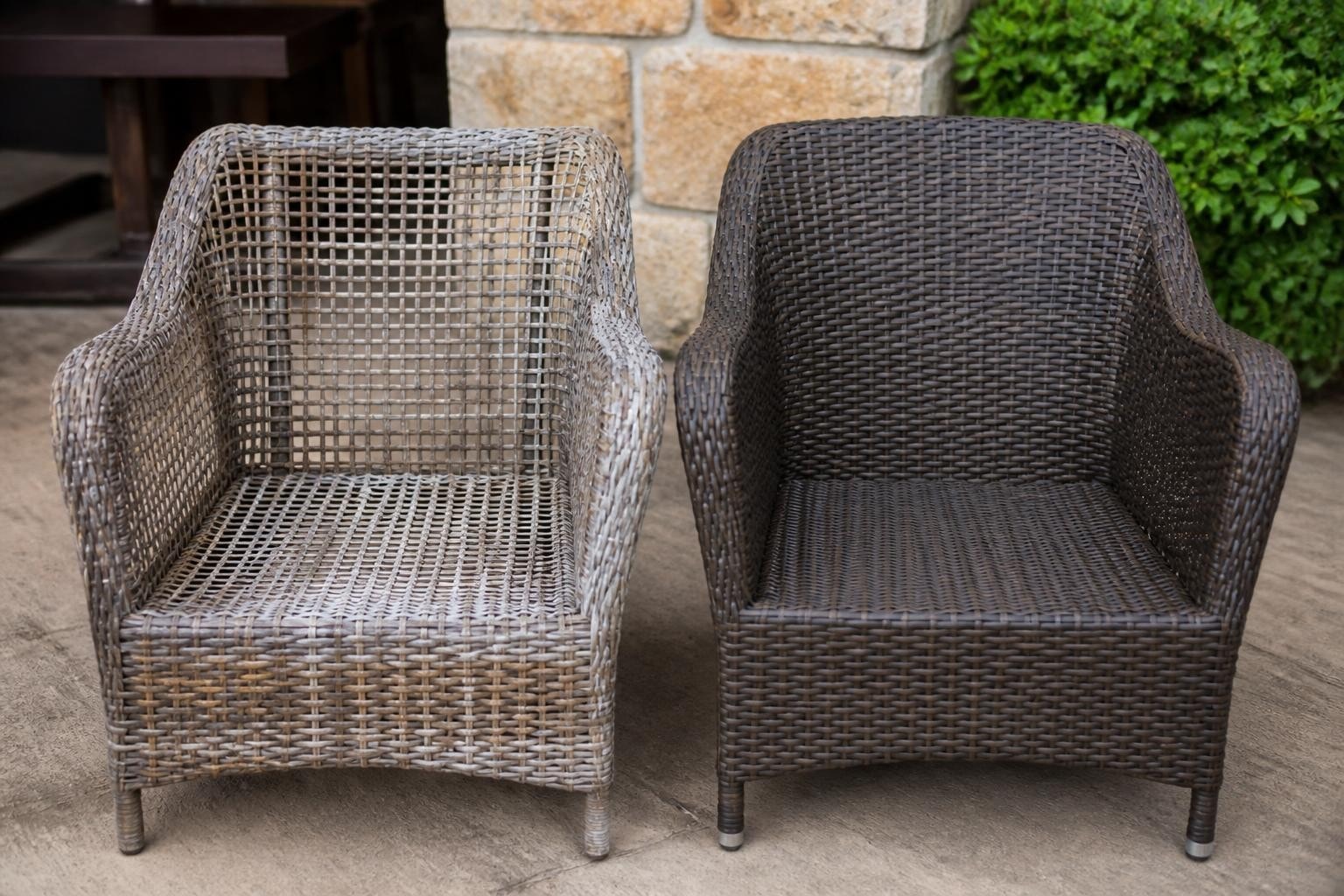
Rattan garden chairs have become essential fixtures in hospitality venues across the Western Cape, from boutique hotels and guesthouses to wine estates and luxury lodges. These versatile seating options combine aesthetic appeal with practical durability, making them ideal for outdoor spaces that must withstand constant guest use while maintaining an inviting appearance. For property managers and hospitality professionals, understanding how to maintain, restore, and maximize the lifespan of these investment pieces is crucial to managing operational costs and preserving the guest experience.
Understanding Synthetic Rattan Construction and Durability
Synthetic rattan represents a significant advancement over natural materials, offering weather resistance and longevity that suits demanding commercial environments. Modern synthetic materials resist UV degradation, moisture damage, and temperature fluctuations that would compromise traditional options.
Material Composition and Quality Indicators
High-quality synthetic rattan garden chairs feature polyethylene or resin weaves designed to mimic natural aesthetics while delivering superior performance. The material thickness, weave density, and UV stabilizers determine how well chairs withstand prolonged sun exposure and heavy use.
- Premium grade synthetic rattan: 2-3mm thickness with UV protection rated for 3,000+ hours
- Commercial-grade frames: Powder-coated aluminum or steel with rust-resistant treatments
- Weave patterns: Tight, consistent patterns indicating quality manufacturing standards
- Color retention: Fade-resistant pigments integrated throughout the material
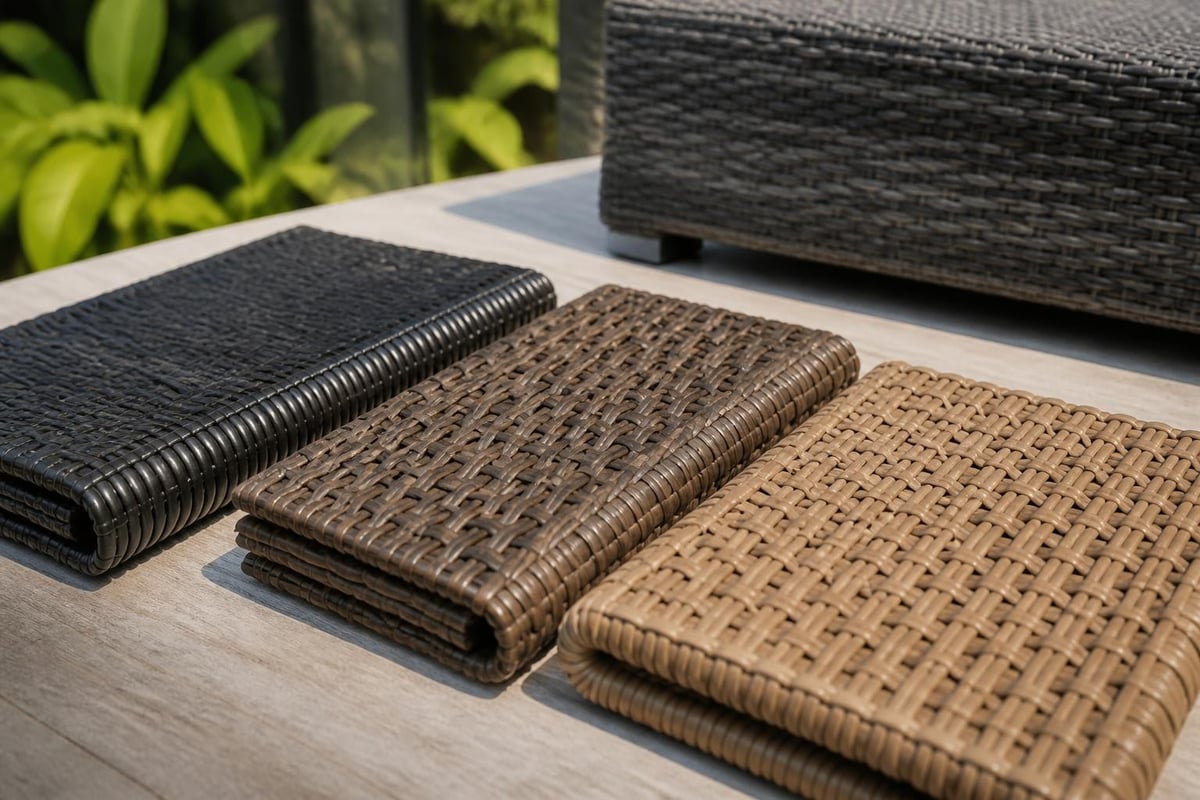
Property managers should evaluate these specifications when purchasing new furniture or assessing existing inventory for restoration potential. The history of rattan garden furniture demonstrates how material innovations have transformed outdoor seating from seasonal items to year-round investments.
Common Wear Patterns in Hospitality Settings
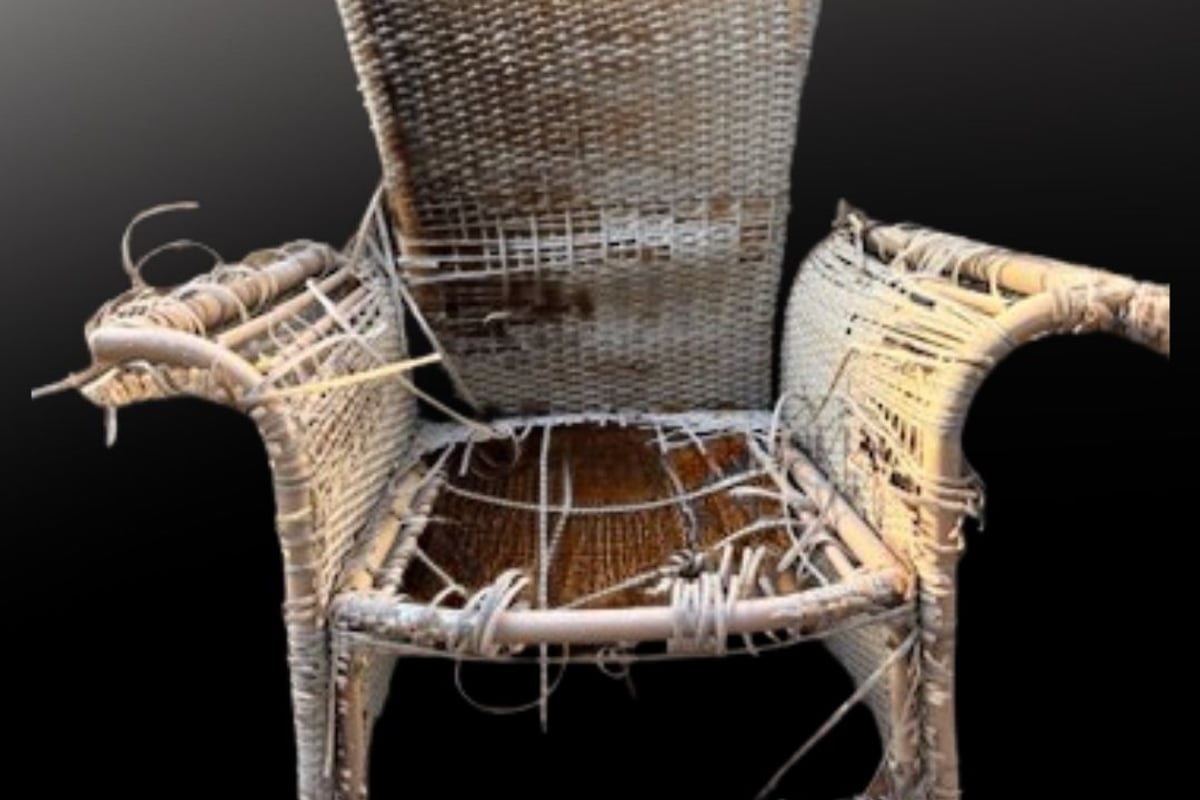
Commercial environments accelerate furniture deterioration through consistent guest interaction, exposure to the elements, and frequent cleaning protocols. Identifying wear patterns early enables proactive maintenance rather than reactive replacement.
| Wear Location | Typical Cause | Restoration Feasibility |
|---|---|---|
| Armrests | Guest contact, leaning | Excellent - isolated reweaving |
| Seat surfaces | Weight stress, UV exposure | Good - full seat replacement possible |
| Frame joints | Movement, stress cycling | Moderate - requires structural assessment |
| Back supports | Pressure points, cleaning abrasion | Excellent - targeted repair sections |
Understanding these patterns helps hospitality professionals budget for maintenance cycles and plan restoration projects during off-peak seasons.
Professional Restoration vs. Replacement Economics
The decision between restoring existing rattan garden chairs and purchasing new inventory significantly impacts operational budgets and sustainability goals. For hospitality venues with dozens or hundreds of outdoor seating pieces, this choice carries substantial financial implications.
Cost-Benefit Analysis for Hospitality Venues
Restaurant managers, hotel operators, and wine farm owners face ongoing pressure to maintain aesthetic standards while controlling capital expenditures. Restoration typically costs 40-60% less than replacement while extending furniture life by 5-7 years.
Consider a 50-seat outdoor dining area with synthetic rattan garden chairs originally costing R2,500 per unit:
- Full replacement cost: R125,000 for new inventory
- Professional restoration cost: R50,000-R75,000 for complete reweaving
- Avoided disposal costs: R5,000-R8,000 in removal and waste fees
- Net savings: R55,000-R83,000 per restoration cycle
These calculations don't account for the environmental benefits of extending furniture life or the brand alignment with sustainability values increasingly important to guests. Premium synthetic rattan furniture reweaving services deliver professional results that restore chairs to guest-ready condition while preserving your initial investment.
Timeline and Logistics Planning
Hospitality venues operate on seasonal cycles that dictate optimal restoration windows. Planning restoration projects during low-occupancy periods minimizes guest impact and ensures furniture availability during peak seasons.
- Winter months (May-August): Ideal for Western Cape coastal properties with reduced outdoor dining
- Post-harvest period (April-May): Strategic timing for wine estates between tourist seasons
- Pre-summer refresh (September-October): Preparation for high-demand summer months
- Phased approach: Rotating sections to maintain partial capacity throughout the year
Skilled artisans typically complete reweaving on standard dining chairs within 3-5 business days per piece, while complex lounge furniture may require 7-10 days depending on damage extent.
Maintenance Protocols for Extended Furniture Life
Implementing systematic maintenance protocols dramatically extends the functional life of rattan garden chairs and reduces restoration frequency. Hospitality teams should integrate these practices into standard operating procedures.
Daily and Weekly Care Routines
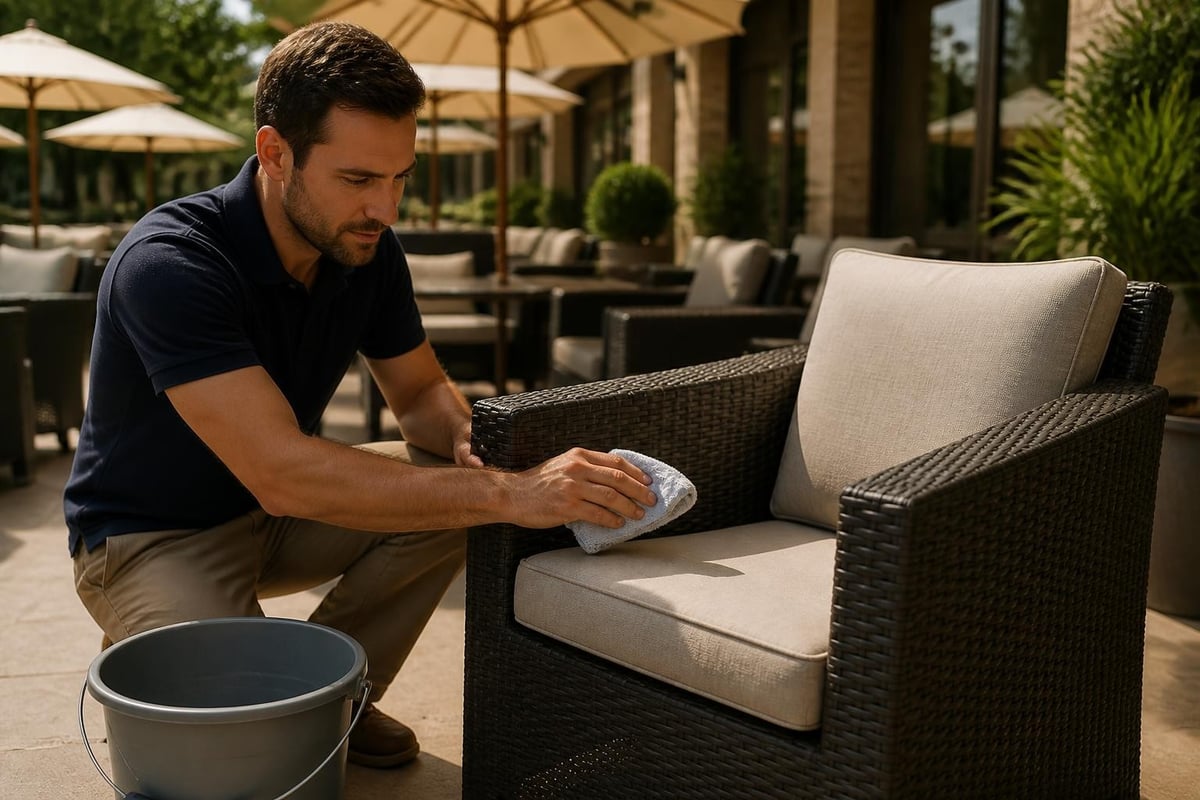
Housekeeping and maintenance staff serve as the first line of defense against accelerated furniture deterioration. Simple daily practices prevent minor issues from becoming major restoration needs.
Daily protocols:
- Remove debris from weave crevices using soft-bristle brushes
- Wipe down surfaces with mild soap solution and microfiber cloths
- Inspect for loose or damaged weave sections requiring attention
- Check frame stability and tighten connections as needed
Weekly deep cleaning:
- Pressure wash (low setting) to remove embedded dirt and organic matter
- Apply UV protectant spray to maintain color and material integrity
- Lubricate moving parts on adjustable pieces
- Document wear patterns for maintenance planning
These routines take minimal staff time but significantly impact furniture longevity and guest perception of quality.
Seasonal Protection Strategies
Western Cape weather patterns create specific challenges for outdoor furniture, from intense summer UV exposure to winter moisture. Adapting protection strategies to seasonal conditions preserves material integrity.
Property managers should consider:
- Summer UV protection: Positioning umbrellas or shade structures over primary seating areas
- Winter moisture management: Storing cushions indoors and elevating chairs to promote drainage
- Storm preparation: Securing lightweight pieces or moving to sheltered locations
- Off-season storage: Covering or relocating unused sections during extended slow periods
Modern design approaches to rattan furniture increasingly incorporate modular elements that simplify seasonal reconfiguration and storage logistics.
Identifying Restoration Timing and Scope
Recognizing the optimal moment for professional intervention prevents minor deterioration from progressing to structural failure. Hospitality professionals should monitor specific indicators that signal restoration needs.
Visual and Structural Assessment Criteria
Regular furniture audits help property managers track condition trends and plan restoration budgets accurately. Create a quarterly inspection schedule focusing on high-use areas and frequently photographed locations.
Immediate restoration indicators:
- Loose or unraveling weave sections creating guest safety concerns
- Visible frame damage or instability affecting usability
- Significant color fading that impacts aesthetic cohesion
- Multiple chairs showing similar wear patterns across seating areas
Plan-ahead signals:
- Minor weave loosening in isolated locations
- Early-stage UV fading on sun-exposed sections
- Frame finish deterioration without structural compromise
- Guest feedback mentioning furniture condition
Creating Restoration Priority Systems
Not all rattan garden chairs require simultaneous attention. Developing a priority system optimizes budget allocation and maintains guest-facing standards where they matter most.
| Priority Level | Location Examples | Typical Timeline | Budget Impact |
|---|---|---|---|
| Critical | Main dining terrace, pool deck | Immediate action | 30-40% of budget |
| High | Secondary dining areas, bar terraces | Within 2-3 months | 25-35% of budget |
| Moderate | Garden paths, auxiliary seating | Within 6 months | 20-25% of budget |
| Low | Staff areas, service zones | Annual planning cycle | 10-15% of budget |
This framework ensures guest-facing areas maintain premium appearance while managing total restoration costs across the property.
Design Considerations for Hospitality Environments
Selecting and maintaining rattan garden chairs that align with property branding and operational needs requires understanding design elements that influence both aesthetics and performance.
Style Coordination Across Property Zones
Consistency in furniture styling creates cohesive visual narratives that enhance guest experience and reinforce brand identity. However, different zones may require varied design approaches based on functionality.
Wine estates might choose traditional weave patterns and earth tones for tasting areas while incorporating contemporary designs in event spaces. The versatility of rattan in furniture design allows for this flexibility while maintaining material consistency.
Zone-specific considerations:
- Fine dining terraces: Classic designs with premium cushioning and refined details
- Casual poolside areas: Streamlined profiles with quick-dry materials and easy maintenance
- Event spaces: Stackable options for flexible configurations and efficient storage
- Garden walkways: Lightweight pieces that complement natural surroundings
Color Selection and Fade Management
Synthetic rattan garden chairs are available in numerous colors, from natural browns and greys to contemporary blacks and whites. Color choice impacts both aesthetic appeal and maintenance visibility.
Darker colors show less dirt accumulation but may exhibit UV fading more noticeably in intense sun exposure. Lighter tones maintain color consistency longer but require more frequent cleaning to preserve appearance. Mid-tone greys and taupes often provide the best balance for high-traffic hospitality environments.
Professional restoration services can refresh faded pieces or even change colors during reweaving projects, offering opportunities to update property aesthetics without complete furniture replacement. For inspiration on maintaining cohesive design across furniture collections, explore bespoke restoration options that align with specific brand requirements.
Sustainability and Environmental Responsibility
Modern hospitality operations increasingly prioritize environmental stewardship as both an ethical imperative and a market differentiator. Furniture restoration aligns perfectly with these sustainability goals while delivering measurable benefits.
Calculating Environmental Impact Reductions
Choosing restoration over replacement generates significant environmental benefits that forward-thinking properties can quantify and communicate to environmentally conscious guests.
- Material waste reduction: Prevents 15-25kg of synthetic material per chair from entering landfills
- Manufacturing carbon footprint: Avoids emissions from new production, shipping, and packaging
- Resource conservation: Eliminates demand for virgin petroleum-based synthetic materials
- Local economic support: Keeps restoration funds within regional economies
Properties tracking sustainability metrics can incorporate these figures into environmental reporting and guest communications. The expert guidance available on restoration practices helps hospitality managers understand their environmental impact.
Guest Communication and Brand Positioning
Transparently sharing restoration commitments resonates with guests who value sustainable practices. Simple signage or digital communications can highlight your approach:
"Our outdoor furniture undergoes professional restoration by local artisans, extending its life by years and reducing environmental impact. This commitment to sustainability reflects our broader environmental stewardship values."
This messaging transforms maintenance decisions into brand differentiators that attract environmentally conscious travelers and event planners.
Artisan Craftsmanship in Commercial Restoration
Professional restoration of rattan garden chairs requires specialized skills that combine traditional weaving techniques with modern material knowledge. Understanding this craftsmanship helps hospitality managers appreciate the value restoration services provide.
The Reweaving Process and Quality Standards
Skilled artisans follow systematic processes that ensure restored chairs meet or exceed original manufacturing standards. The reweaving sequence typically includes:
- Complete damage assessment identifying all compromised sections
- Careful removal of damaged synthetic material without frame harm
- Frame inspection and repair addressing any structural issues
- Pattern matching to maintain design consistency across pieces
- Precision reweaving using appropriate tension and technique
- Quality verification ensuring durability and aesthetic standards
This meticulous approach produces results that extend furniture life significantly beyond patch repairs or amateur attempts. Various rattan chair designs require adapted techniques based on weave complexity and structural configuration.
Selecting Qualified Restoration Partners
Not all furniture repair services possess the specific expertise required for commercial-grade synthetic rattan restoration. Hospitality managers should evaluate potential partners based on:
- Portfolio evidence demonstrating experience with similar commercial projects
- Material sourcing capabilities ensuring color and quality matching
- Turnaround capacity suitable for hospitality timelines and volume needs
- Warranty provisions backing workmanship and material performance
- On-site assessment capabilities for accurate project scoping
Establishing relationships with qualified restoration specialists creates reliable partnerships that support long-term furniture management strategies.
Investment Protection Through Strategic Planning
Maximizing return on furniture investments requires integrated planning that considers acquisition, maintenance, restoration, and eventual replacement as interconnected elements rather than isolated decisions.
Creating Multi-Year Furniture Management Plans
Sophisticated hospitality operations develop comprehensive furniture management strategies that optimize total cost of ownership across complete lifecycle curves.
Year 1-3: Active maintenance phase
- Implement rigorous daily and weekly cleaning protocols
- Address minor repairs immediately to prevent escalation
- Apply seasonal protection measures consistently
- Document condition through photographic records
Year 4-6: Strategic restoration phase
- Schedule professional assessment of entire inventory
- Plan restoration projects during optimal seasonal windows
- Consider color updates or design refreshes during reweaving
- Evaluate replacement candidates showing structural compromise
Year 7-10: Replacement planning phase
- Budget for gradual inventory replacement on rolling schedule
- Identify pieces suitable for continued restoration vs. retirement
- Source new furniture aligning with updated design directions
- Maintain restored pieces in secondary locations
This structured approach prevents crisis-driven purchasing and optimizes capital allocation across operational budgets.
Budget Allocation Models for Different Property Types
Furniture management budgets vary based on property size, guest volume, and positioning. Typical allocations for outdoor rattan seating in Western Cape hospitality venues:
| Property Type | Annual Budget (per seat) | Restoration Frequency | Replacement Cycle |
|---|---|---|---|
| Luxury lodges | R400-R600 | Every 4-5 years | 10-12 years |
| Boutique hotels | R300-R450 | Every 5-6 years | 8-10 years |
| Wine estates | R250-R400 | Every 5-7 years | 10-15 years |
| Guesthouses | R200-R350 | Every 6-8 years | 12-15 years |
These benchmarks help properties assess whether current spending aligns with industry standards and furniture condition expectations.
Addressing Common Restoration Questions
Hospitality professionals considering restoration services typically have specific concerns about process, outcomes, and logistics. Understanding these common questions helps inform decision-making.
Color Matching and Aesthetic Consistency
One frequent concern involves whether restored chairs will match existing inventory or create visible inconsistencies across seating areas. Professional restoration services address this through:
- Material sampling before project commencement to verify color matching
- Batch restoration of multiple pieces simultaneously ensuring consistency
- Complete reweaving rather than partial repairs when aesthetic uniformity is critical
- Photography documentation showing before, during, and after stages
Properties prioritizing perfect aesthetic consistency might choose to restore entire zones simultaneously rather than individual pieces over time.
Structural Integrity After Restoration
Properly executed restoration by skilled artisans often produces furniture more durable than original manufacturing, particularly when frame repairs accompany reweaving. Quality restoration includes:
- Reinforcement of stress points showing early wear indicators
- Upgraded fastening systems replacing original connection methods
- Frame treatments preventing future corrosion or degradation
- Material tensioning optimized for commercial use patterns
The evolution of rattan furniture construction demonstrates how professional restoration can incorporate modern improvements while preserving original design aesthetics.
Timeline Expectations for Large Projects
Hospitality venues with extensive outdoor seating areas need realistic timeline expectations for bulk restoration projects. Standard planning guidelines suggest:
- Initial assessment: 1-2 weeks for comprehensive property inventory evaluation
- Material procurement: 2-3 weeks for color-matched synthetic rattan sourcing
- Restoration execution: 3-5 days per chair depending on damage extent
- Phased completion: 6-12 weeks for projects involving 30-50+ chairs
Planning around these timelines ensures furniture availability aligns with booking calendars and seasonal demand patterns.
Professional maintenance and strategic restoration of synthetic rattan garden chairs deliver substantial financial and operational benefits for hospitality venues across the Western Cape. Understanding material properties, implementing systematic care protocols, and partnering with skilled restoration artisans maximizes furniture investment returns while supporting sustainability objectives. When your outdoor seating requires expert attention, Rattan Furniture Restoration brings specialized expertise in restoring synthetic rattan furniture to guest-ready condition, helping hotels, wine estates, lodges, and high-end properties extend furniture life while maintaining the premium aesthetic standards your guests expect.