
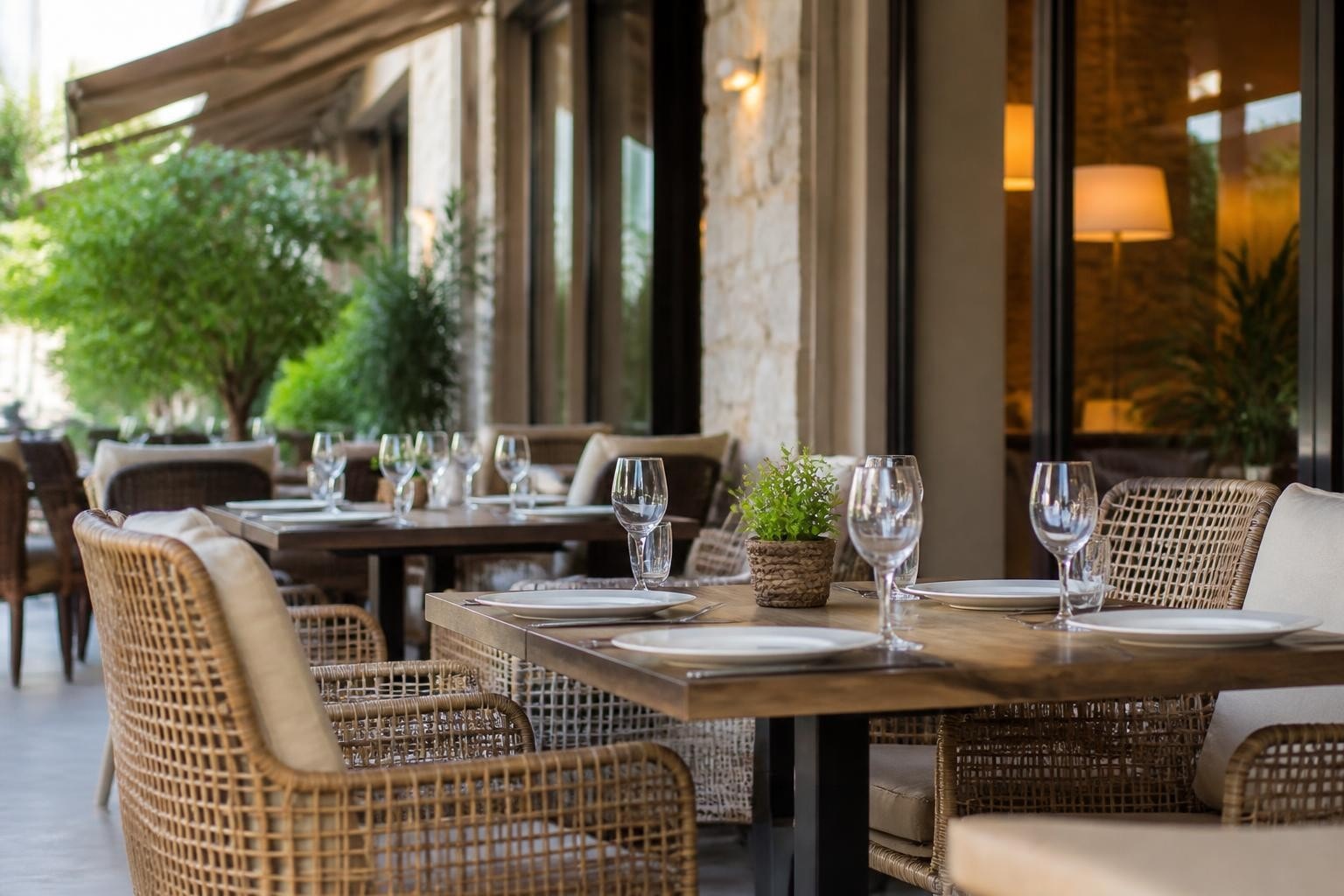
The enduring appeal of a rattan dining chair and table set has experienced remarkable growth in hospitality settings throughout 2026. Hotels, guesthouses, wine estates, and upscale restaurants across the Western Cape are rediscovering the versatility of synthetic rattan dining furniture, which combines aesthetic warmth with practical durability. This resurgence reflects broader design trends emphasizing natural textures and sustainable furniture choices, particularly as hospitality venues seek to create memorable dining experiences that balance comfort with visual appeal.
Why Rattan Dining Sets Dominate Hospitality Spaces
The popularity of rattan dining chair and table combinations in commercial settings stems from their unique ability to bridge traditional craftsmanship with modern synthetic materials. Unlike natural materials that degrade under constant guest use, synthetic rattan maintains its appearance while offering superior weather resistance and minimal maintenance requirements.
Key Benefits for Hospitality Venues
Durability advantages make synthetic rattan particularly valuable for high-traffic environments:
- Weather resistance: Synthetic rattan withstands sun exposure, humidity, and temperature fluctuations without fading or cracking
- Guest-ready longevity: Properly maintained sets serve thousands of guests while retaining their original appeal
- Structural integrity: Modern synthetic materials resist sagging and stretching that plague natural alternatives
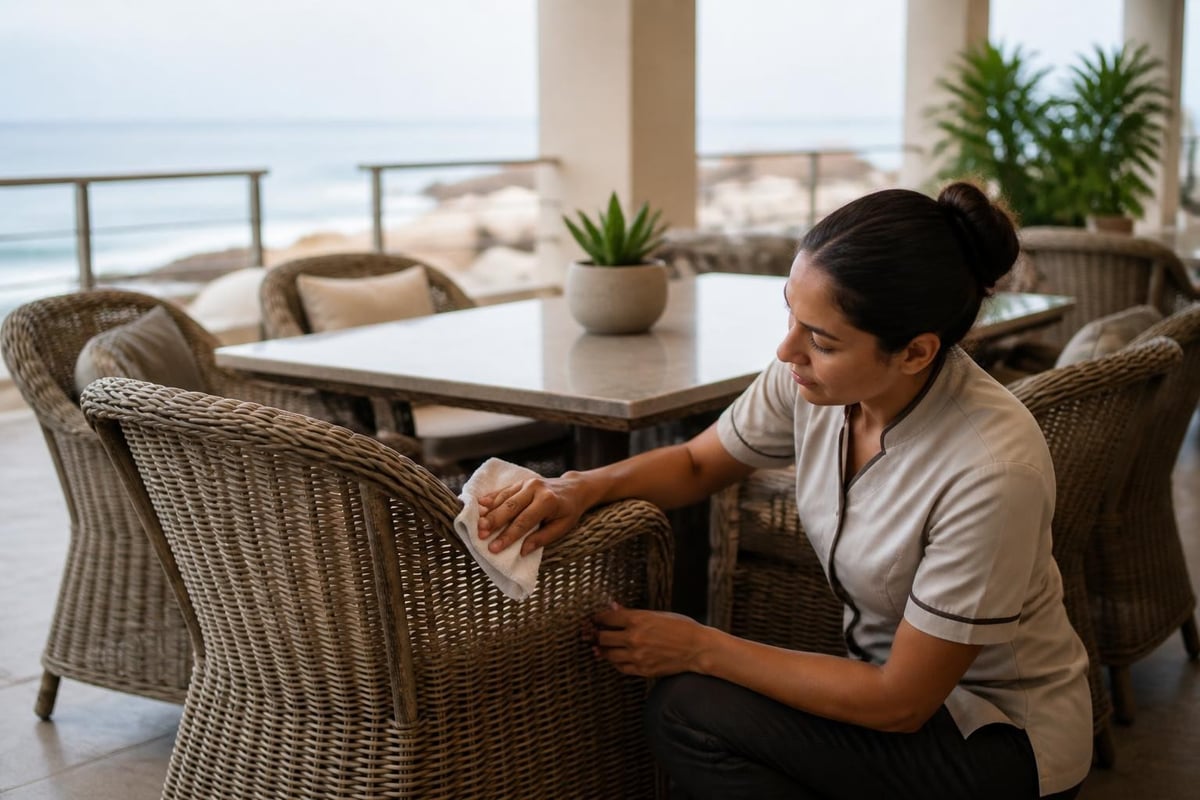
- Easy cleaning protocols: Staff can quickly sanitize surfaces between seatings without damaging the weave
Hospitality managers appreciate how a rattan dining chair and table set reduces long-term replacement costs. The investment in quality synthetic rattan furniture delivers measurable returns through extended service life and consistent guest satisfaction scores.
Design Versatility Across Venue Types
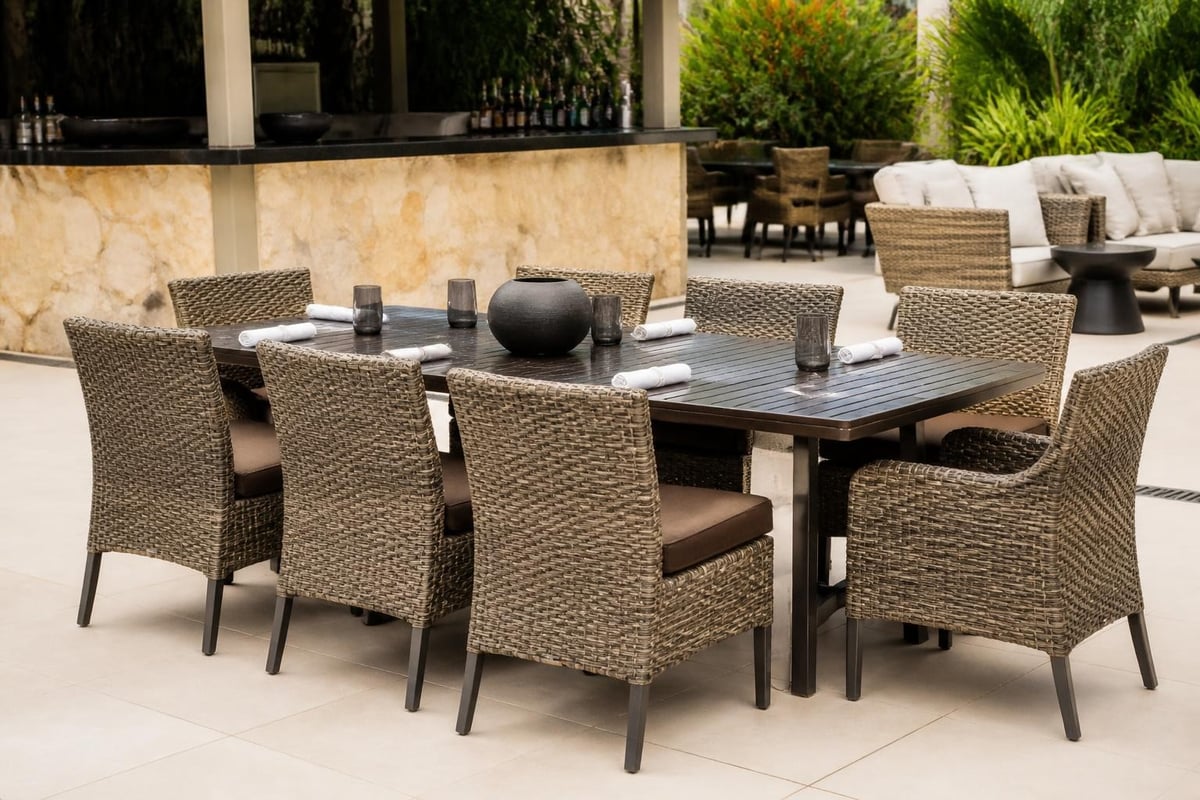
Different hospitality environments leverage rattan dining furniture to achieve distinct atmospheric goals. Wine farms pair rustic tables with refined rattan chairs to create relaxed elegance. Boutique hotels combine sleek synthetic rattan with contemporary tables for modern sophistication. Designers increasingly favor rattan dining chairs for their ability to add warmth without overwhelming interior schemes.
The neutral tones of synthetic rattan complement virtually any color palette, allowing venue operators to refresh their dining spaces through simple textile changes rather than complete furniture overhauls. This adaptability proves essential for seasonal menu transitions and special event configurations.
Material Science Behind Synthetic Rattan Quality
Understanding the construction of synthetic rattan helps hospitality operators make informed purchasing and maintenance decisions. Modern synthetic rattan consists of high-density polyethylene (HDPE) woven over powder-coated aluminum or steel frames, creating furniture that mimics natural materials while surpassing them in performance.
Construction Quality Indicators
| Quality Factor | Premium Indicators | Impact on Longevity |
|---|---|---|
| Weave Density | Tight, consistent pattern | Prevents sagging, maintains shape |
| Frame Material | Powder-coated aluminum | Rust-proof, lightweight durability |
| UV Stabilizers | High concentration HDPE | Prevents color fading |
| Strand Thickness | 1.2mm or greater | Resists breaking under stress |
The rattan dining chair and table combination demands particular attention to joint construction. Premium sets feature reinforced connection points where legs meet seats and table supports, distributing weight loads that accumulate through repeated guest use.
Recognizing Premium Versus Economy Options
Premium synthetic rattan characteristics include:
- Consistent color throughout strands (not surface coating only)
- Smooth texture without sharp edges or inconsistent weaving
- Substantial weight indicating quality frame materials
- Minimal flexibility in the weave pattern
- Manufacturer warranties covering commercial use
Economy options may initially appear similar but typically fail within 18-24 months in hospitality environments. The cost differential becomes negligible when calculated across the furniture's expected service life, making premium synthetic rattan the financially prudent choice for serious venue operators.
Maintenance Protocols for Commercial Settings
Proper care extends the service life of any rattan dining chair and table set while maintaining the guest-ready appearance that hospitality venues require. Comprehensive maintenance practices should be integrated into daily, weekly, and seasonal cleaning schedules.
Daily Cleaning Procedures
Quick maintenance between service periods:
- Remove loose debris with a soft brush or dry cloth
- Wipe down surfaces with mild soap solution
- Rinse thoroughly with clean water
- Allow complete air drying before next seating
- Inspect weave integrity and note any damage
Staff training on proper cleaning techniques prevents common damage from harsh chemicals or abrasive tools. The goal is removing food residue and spills without compromising the synthetic rattan's protective coatings or weave tension.
Weekly Deep Cleaning
More thorough weekly attention addresses accumulation that daily wiping misses:
- Crevice cleaning: Use soft-bristled brushes to reach between weave strands
- Frame inspection: Check all connection points for loosening
- Protective treatment: Apply UV-resistant sprays formulated for synthetic materials
- Stability testing: Verify chairs and tables remain level and secure
The Western Cape's coastal climate presents specific challenges including salt air exposure and intense summer UV radiation. These environmental factors accelerate wear on furniture that receives inadequate protective maintenance.
Seasonal Restoration Assessments
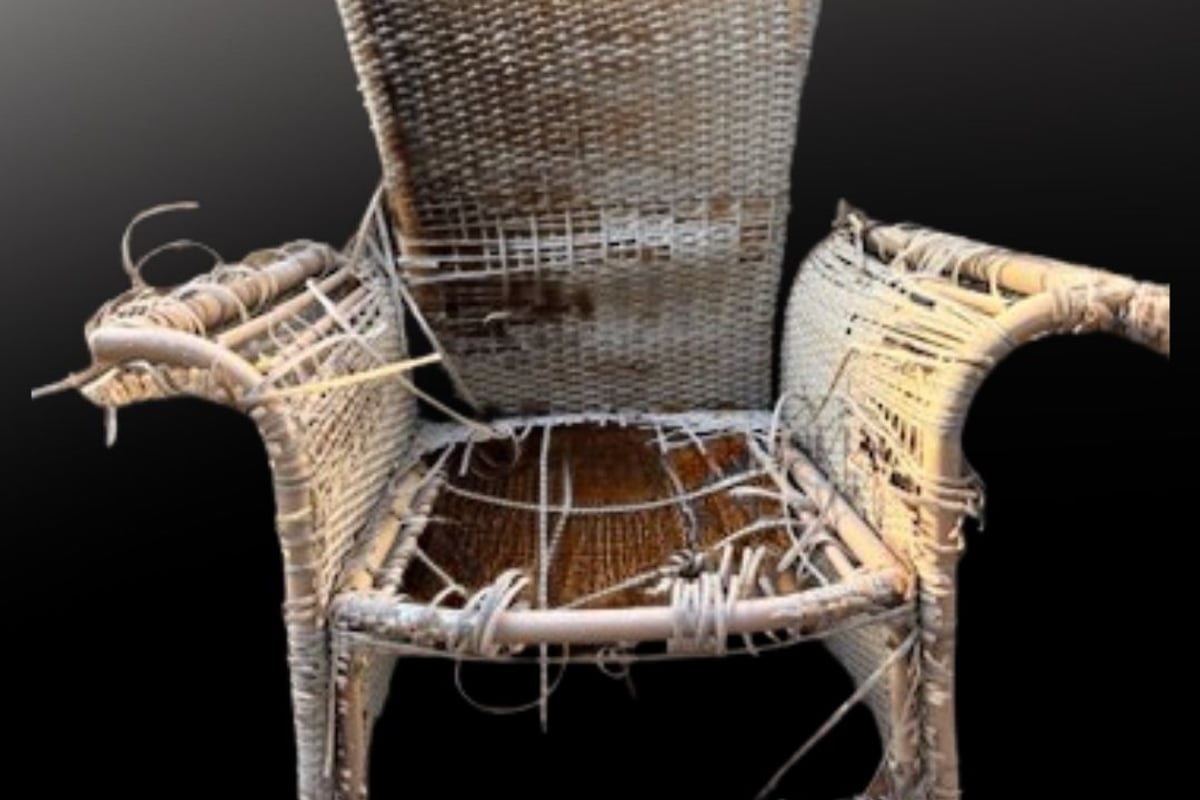
Even premium rattan dining chair and table sets eventually show wear from continuous hospitality use. Quarterly professional assessments identify issues before they become guest-visible problems:
| Assessment Area | Inspection Focus | Action Threshold |
|---|---|---|
| Weave integrity | Broken strands, sagging | Any visible damage |
| Frame stability | Wobbling, joint separation | Any movement detected |
| Color consistency | Fading, discoloration | Noticeable variation |
| Comfort level | Cushion compression, sharp edges | Guest complaints |
Professional restoration services address these issues more cost-effectively than full replacement. Skilled artisans can reweave damaged sections, refinish frames, and restore structural integrity, extending furniture life by years while maintaining the cohesive appearance of matching sets.
For venues with extensive synthetic rattan collections, Premium Syntetic Rattan Furniture Reweaving services provide expert restoration that returns sun-faded and worn dining sets to guest-ready condition, offering a sustainable alternative to complete replacement while preserving the investment in quality furniture.
Design Integration Strategies
Successfully incorporating a rattan dining chair and table into hospitality spaces requires thoughtful consideration of proportions, spacing, and complementary elements. The rise of rattan in modern interiors reflects its remarkable adaptability to various design philosophies.
Table and Chair Pairing Principles
Proportion guidelines ensure comfort and visual balance:
- Chair seat height should position guests 25-30cm below table surface
- Allow 60cm spacing between chair centers for comfortable seating
- Provide 90cm clearance behind chairs for service access
- Scale chair back height proportionally to table dimensions
Round rattan tables encourage conversation in intimate dining areas, while rectangular options maximize seating capacity for larger groups. The neutral palette of synthetic rattan allows bold table finishes-from natural wood grains to sleek glass tops-without visual conflict.
Creating Cohesive Dining Environments
Successful rattan integration extends beyond furniture selection to encompass the entire sensory experience:
- Lighting: Warm overhead fixtures enhance rattan's natural tones
- Textiles: Linen or cotton table linens complement organic textures
- Flooring: Natural materials like stone or wood create harmonious foundations
- Accessories: Minimal centerpieces prevent visual competition
Contemporary dining table trends for 2026 emphasize the relaxed elegance that rattan naturally provides. Hospitality venues can achieve this aesthetic through intentional restraint, allowing the rattan dining chair and table combination to anchor the space without overwhelming it.
Flexible Configuration Options
Modern hospitality demands adaptable furniture arrangements. Quality synthetic rattan sets facilitate this flexibility through:
- Lightweight construction enabling quick reconfiguration
- Stackable chair designs for efficient storage
- Modular table systems accommodating various party sizes
- Consistent styling across different furniture pieces
Wine estates hosting both intimate tastings and large events particularly benefit from this versatility. The same rattan dining furniture transitions seamlessly from daytime casual service to evening formal presentations with simple textile and accessory changes.
Common Challenges and Solutions
Even premium synthetic rattan furniture encounters specific issues in demanding hospitality environments. Proactive management of these challenges maintains guest satisfaction and protects furniture investments.
Addressing Sun Damage
The Western Cape's intense summer sun tests even UV-stabilized synthetic rattan. Prevention strategies include:
- Strategic placement away from direct afternoon exposure
- Rotating furniture positions quarterly to distribute wear
- Installing shade structures over outdoor dining areas
- Applying additional UV-protective treatments during peak summer
When fading occurs despite preventive measures, professional restoration can match original colors through specialized reweaving techniques rather than requiring complete set replacement.
Managing Guest Wear Patterns
High-traffic hospitality environments create predictable wear patterns on rattan dining chair and table sets. The most frequent sitting positions show accelerated compression, arm contact areas may develop smoothness from repeated use, and feet placement zones on chairs experience concentrated stress.
Rotating chairs within sets distributes this wear more evenly. Numbering the underside of each piece enables systematic rotation schedules that extend overall set life while maintaining consistent guest experiences.
Structural Integrity Maintenance
Frame stability issues develop gradually but impact guest safety when unaddressed:
- Loose joint connections from temperature cycling
- Stress fractures at high-load points
- Uneven leg heights from floor surface variations
- Fastener corrosion in coastal environments
Quarterly professional inspections identify these developing problems before they compromise structural integrity or guest confidence. The bespoke restoration services available throughout the Western Cape can address structural issues while maintaining the aesthetic continuity of existing furniture sets.
Investment Considerations for Hospitality Buyers
Acquiring quality rattan dining chair and table sets represents a significant capital investment for hospitality venues. Understanding total cost of ownership helps justify premium selections over economy alternatives.
Calculating True Ownership Costs
| Cost Factor | Economy Sets | Premium Sets |
|---|---|---|
| Initial Purchase | R2,500/chair | R4,500/chair |
| Expected Service Life | 2-3 years | 8-12 years |
| Annual Maintenance | R800/chair | R300/chair |
| Replacement Frequency | Every 2.5 years | Every 10 years |
| 10-Year Total Cost | R13,500/chair | R7,500/chair |
These calculations demonstrate how premium synthetic rattan delivers superior value despite higher acquisition costs. The reduced replacement frequency alone generates substantial savings, while factoring in labor costs for furniture switching and disposal makes the economic case even more compelling.
Vendor Selection Criteria
Quality suppliers distinguish themselves through:
- Commercial-grade warranties covering hospitality use
- Portfolio demonstrating successful installations in similar venues
- Responsive service for urgent repairs or replacement pieces
- Knowledge of synthetic rattan construction and maintenance
- Local presence enabling quick support response
Establishing relationships with specialized restoration providers creates additional value through preventive maintenance programs and priority service during peak hospitality seasons.
Phased Acquisition Strategies
Hospitality venues with budget constraints can implement phased approaches:
- Priority areas first: Focus initial investment on highest-visibility dining spaces
- Gradual expansion: Add sets as cash flow permits while maintaining consistency
- Strategic replacement: Retire oldest pieces as new inventory arrives
- Restoration integration: Combine new purchases with professional restoration of existing pieces
This measured approach allows venues to upgrade dining furniture quality without disruptive capital outlays or operational interruptions. The visual consistency of matching rattan dining chair and table sets remains achievable through careful planning and coordination with suppliers.
Sustainable Practices and Environmental Impact
The hospitality industry faces increasing pressure to demonstrate environmental responsibility. Synthetic rattan furniture addresses sustainability concerns through multiple pathways that natural alternatives cannot match.
Longevity as Sustainability
The extended service life of quality synthetic rattan directly reduces environmental impact:
- Reduced manufacturing demand: Fewer replacement cycles decrease industrial production
- Lower transportation emissions: Less frequent shipping of new furniture
- Minimized landfill waste: Durable furniture avoids premature disposal
- Resource conservation: Synthetic materials require no hardwood harvesting
When a rattan dining chair and table set serves guests for a decade instead of two years, the cumulative environmental benefit multiplies significantly. Natural textures in dining design need not compromise sustainability when achieved through thoughtfully manufactured synthetic materials.
Restoration Versus Replacement
Professional restoration services amplify sustainability benefits by:
- Preserving existing frame structures and reducing metal consumption
- Reweaving with precision-cut materials minimizing waste
- Extending furniture life by additional years beyond initial service
- Maintaining aesthetic consistency without complete set replacement
Hospitality venues increasingly promote these restoration practices to environmentally conscious guests, creating marketing value from sustainable operational decisions. The story of refreshed furniture resonates with travelers seeking authentic experiences and responsible business practices.
End-of-Life Considerations
Even premium synthetic rattan eventually reaches service life conclusion. Responsible disposal options include:
- Material recycling: HDPE strands can be processed into new products
- Frame repurposing: Aluminum and steel enter metal recycling streams
- Component harvesting: Functional pieces become spare parts for other furniture
- Upcycling opportunities: Creative reuse in non-seating applications
Planning for eventual disposal during acquisition phases demonstrates comprehensive environmental stewardship. Additional insights on rattan furniture care provides hospitality operators with practical guidance for maximizing furniture longevity while maintaining guest-ready standards.
Style Evolution and Future Trends
The rattan dining chair and table aesthetic continues evolving as designers explore new interpretations of this classic material. Understanding emerging trends helps hospitality venues remain current while making furniture investments that retain relevance for years.
Contemporary Design Directions
Current innovations include:
- Hybrid materials combining synthetic rattan with metal accents
- Ergonomic profiles addressing extended seating comfort
- Modular systems enabling custom configurations
- Integrated technology accommodations for modern guest expectations
These developments maintain rattan's essential character while adapting functionality for contemporary hospitality demands. The challenge lies in selecting timeless designs that avoid short-lived trend dependence.
Color and Finish Innovations
While natural tones dominate synthetic rattan production, expanding color options provide design flexibility:
- Weathered gray finishes create sophisticated coastal aesthetics
- Two-tone weaving adds subtle visual interest
- Matte versus gloss surfaces influence formal versus casual perceptions
- Custom color matching enables brand-specific coordination
Hospitality venues should balance trend participation with long-term versatility. A rattan dining chair and table in classic honey or espresso tones adapts to multiple décor refreshes, while dramatic color choices may limit future flexibility.
Integration with Technology
Modern dining experiences increasingly incorporate technological elements:
- Wireless charging ports integrated into table surfaces
- Cable management systems concealed within frames
- QR code presentation surfaces for digital menus
- Ambient lighting embedded in furniture structures
Quality synthetic rattan furniture accommodates these additions without compromising structural integrity or aesthetic appeal. Forward-thinking hospitality operators plan technology integration during furniture specification rather than attempting retrofits to existing pieces.
Quality rattan dining chair and table sets deliver exceptional value for hospitality venues through durability, aesthetic versatility, and guest appeal that withstands years of demanding service. When these premium investments eventually show wear from continuous use, professional restoration provides a sustainable path forward. Rattan Furniture Restoration specializes in returning synthetic rattan dining furniture to guest-ready condition for hotels, guesthouses, wine estates, and upscale venues throughout the Western Cape, combining expert craftsmanship with understanding of hospitality demands to extend your furniture investment while maintaining the cohesive appearance your guests expect.