
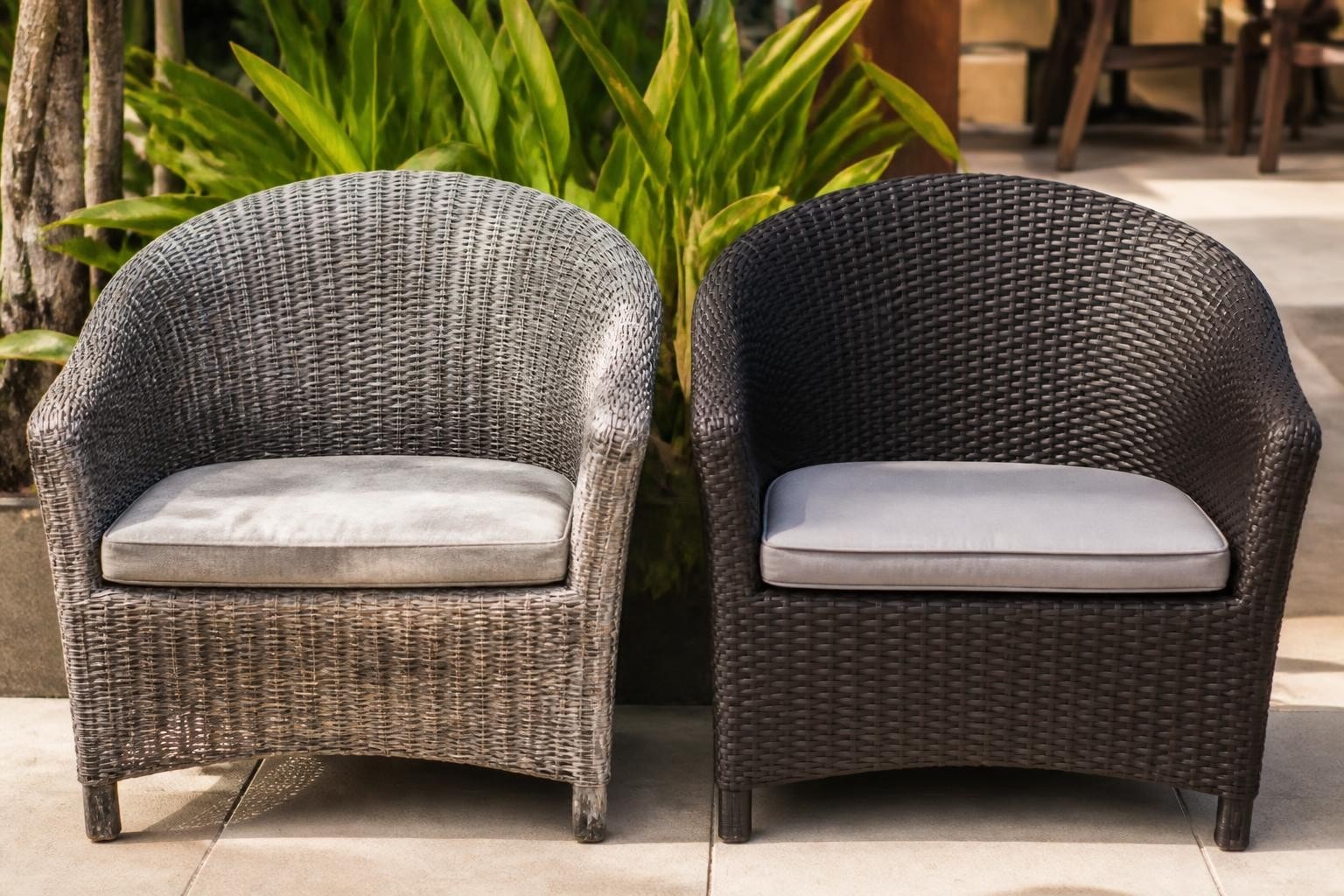
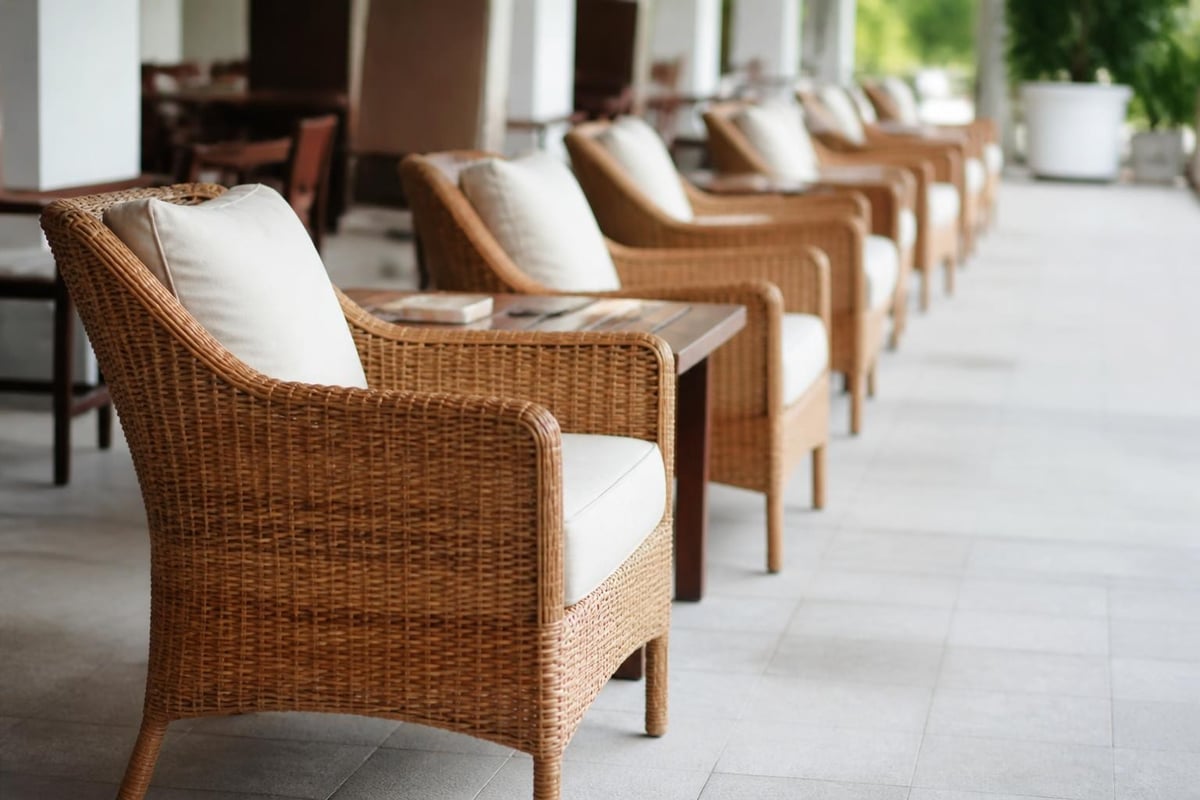
Rattan chairs have become a defining element in hospitality design across the Western Cape, from boutique hotels to luxury wine estates. These versatile seating solutions combine aesthetic appeal with practical durability, making them ideal for high-traffic environments where both comfort and visual impact matter. As synthetic rattan technology has advanced in 2026, these pieces now offer unprecedented weather resistance while maintaining the natural warmth that guests expect from premium outdoor and indoor seating.
Understanding Synthetic Rattan Chair Construction
Material Composition and Performance
Modern rattan chairs utilize high-density polyethylene (HDPE) synthetic fibers that replicate natural rattan's appearance while delivering superior performance characteristics. The weaving process involves skilled artisans who interlace these synthetic strands around aluminum or steel frames, creating furniture that withstands coastal humidity, intense UV exposure, and heavy daily use.
Key structural components include:
- Powder-coated aluminum frames resistant to corrosion
- UV-stabilized synthetic rattan fibers with 5-10 year fade warranties
- Stainless steel fasteners for coastal environments
- Reinforced stress points at seat and backrest connections
The construction quality directly impacts longevity. Premium rattan chairs feature double-weave patterns at high-stress areas and hand-tied corners that maintain structural integrity even after years of continuous use. According to Architectural Digest's comprehensive guide to rattan, understanding these construction details helps hospitality managers make informed purchasing and maintenance decisions.
Design Variations for Hospitality Settings
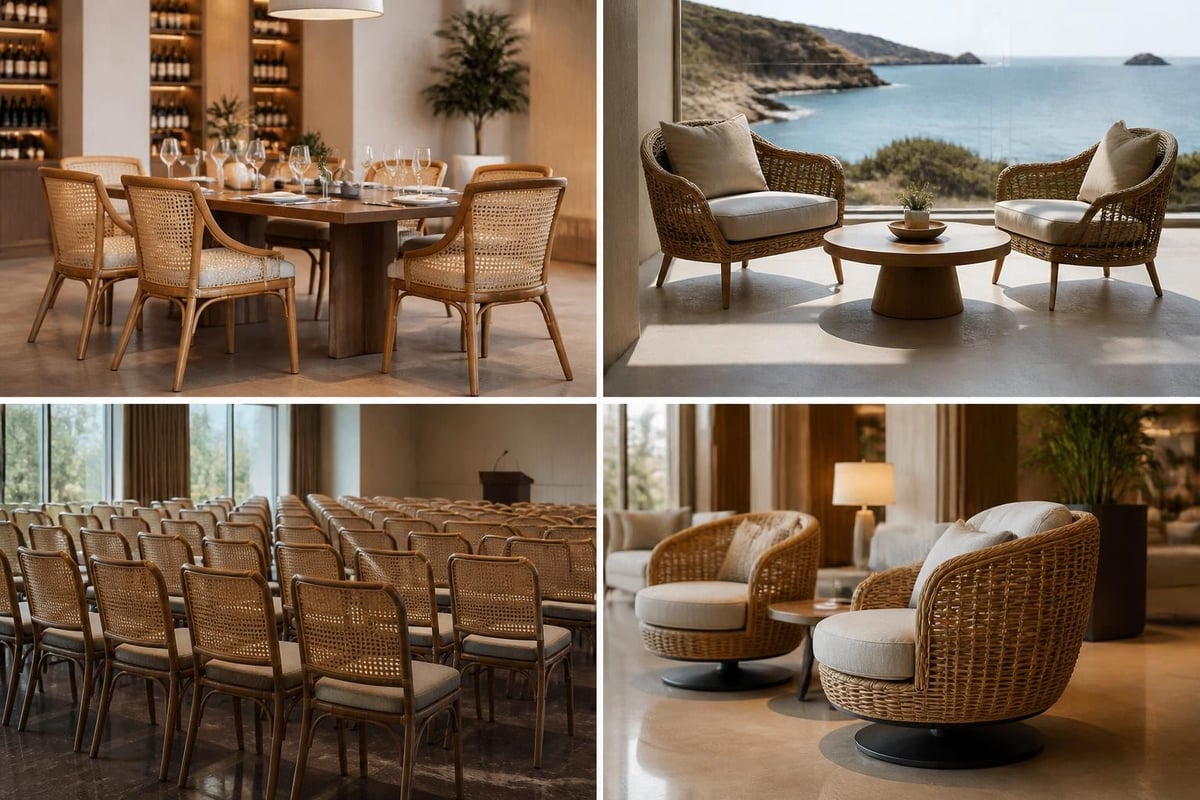
Rattan chairs come in numerous configurations suited to different hospitality applications. Dining chairs with straighter backs serve formal restaurant settings, while deep-seated lounge chairs with cushioned elements create inviting poolside retreats. Stackable designs maximize storage efficiency for event spaces, and swivel chairs add functionality to lobby areas.
Aesthetic Integration in Contemporary Hospitality Design
Creating Cohesive Design Narratives
Rattan chairs serve as anchor pieces that establish a venue's design identity. The National Association of Realtors highlights rattan's sustainability credentials, making these chairs particularly valuable for eco-conscious establishments marketing to environmentally aware travelers. The material's neutral tones complement both minimalist contemporary schemes and richly layered traditional aesthetics.
Wine farms frequently pair rattan chairs with reclaimed wood tables and natural stone flooring, reinforcing their connection to agricultural heritage. Coastal lodges combine these pieces with crisp white linens and blue accents to evoke maritime elegance. Boutique hotels in urban settings use rattan chairs to soften industrial elements like exposed concrete and steel beams.
| Venue Type | Design Approach | Rattan Chair Style |
|---|---|---|
| Wine Estate | Rustic elegance with earth tones | Wide-armed dining chairs with cushions |
| Beach Lodge | Coastal casual with light palettes | Low-profile lounge chairs in natural finish |
| Urban Hotel | Contemporary contrast with industrial elements | Sleek dining chairs with dark weave |
| Mountain Retreat | Organic textures with warm woods | Deep-seated armchairs with thick cushions |
Color and Finish Selection
Synthetic rattan chairs are available in diverse color options that extend beyond traditional natural tones. Charcoal and espresso finishes create sophisticated modern environments, while grey and taupe options offer versatility across changing design trends. Some manufacturers now produce white and cream variations that deliver fresh, coastal aesthetics particularly popular in 2026's design landscape.
The finish texture also varies significantly. Flat weaves provide smooth, contemporary surfaces ideal for formal dining areas. Round-weave patterns create deeper shadow lines and visual interest suited to relaxed lounge settings. Mixed-weave techniques combine both approaches within single pieces, adding dimensional complexity.
Maintenance Requirements and Operational Realities
Daily Care Protocols
Hospitality environments demand rigorous maintenance schedules to preserve rattan chairs' appearance and functionality. Daily protocols include removing debris from weave crevices using soft brushes and wiping surfaces with mild soap solutions. These simple steps prevent dirt accumulation that can degrade synthetic fibers over time.
Essential maintenance supplies:
- Soft-bristle brushes for weave cleaning
- pH-neutral cleaning solutions
- Microfiber cloths for drying
- UV protectant sprays for extended exposure areas
- Touch-up paint for frame scratches
Cushion maintenance requires separate attention. Removable covers should undergo weekly laundering during peak season, with quick-dry fabrics minimizing downtime. Foam inserts benefit from monthly rotation to prevent uneven compression and maintain consistent guest comfort.
Addressing Weather and UV Damage
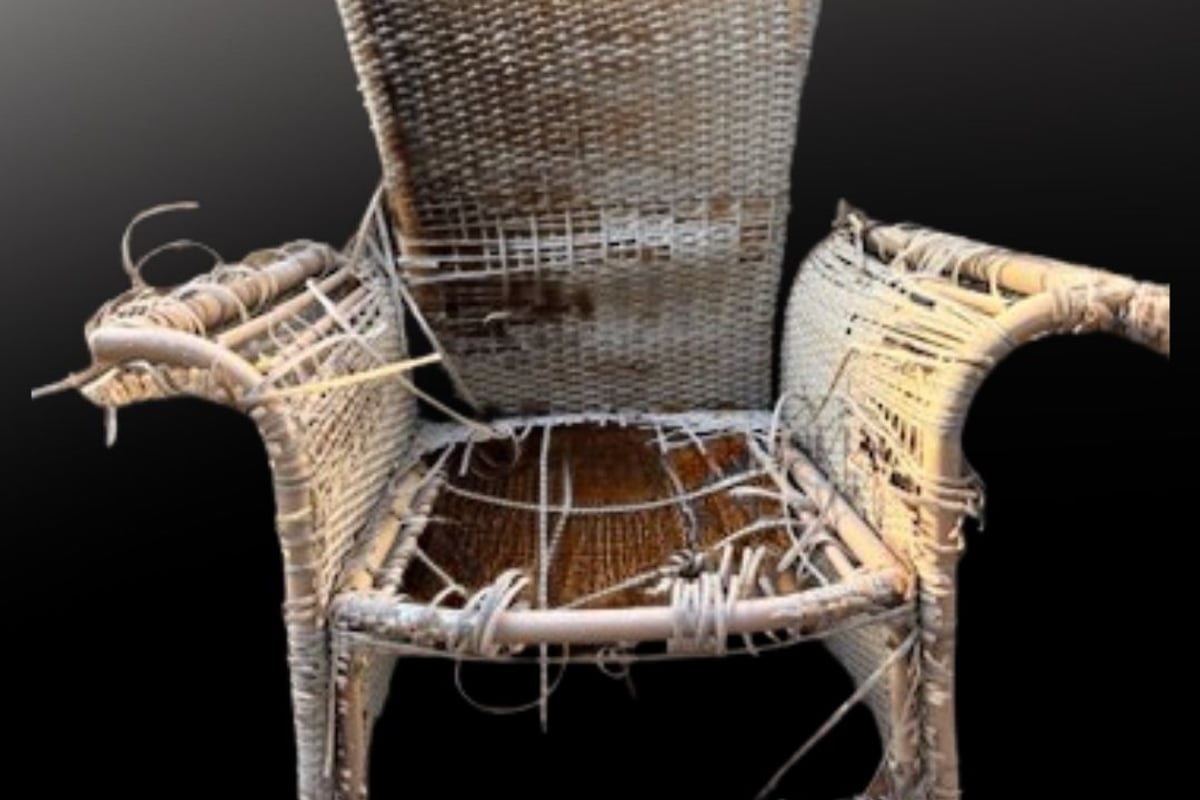
Western Cape's intense summer sun presents significant challenges for outdoor rattan chairs. UV exposure gradually fades synthetic fibers, creating inconsistent coloration that diminishes visual appeal. Coastal salt air accelerates frame corrosion if protective coatings are compromised. Heavy winds can stress connection points, leading to loosened weaves and structural instability.
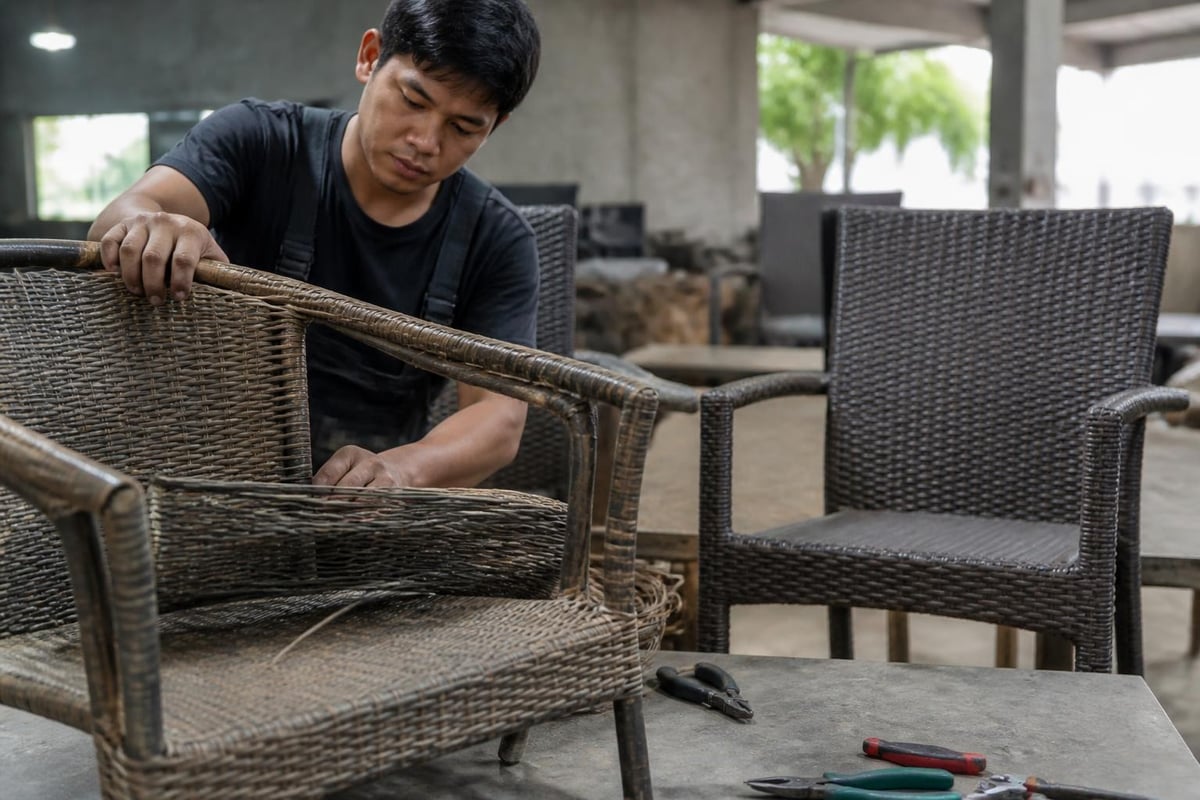
Professional restoration addresses these environmental impacts comprehensively. Premium Synthetic Rattan Furniture Reweaving services disassemble chairs completely, replacing sun-damaged strands while reinforcing frames and retightening all weave points to factory specifications. This approach proves far more cost-effective than replacement while maintaining design consistency across furniture collections.
Strategic Procurement and Lifecycle Management
Calculating True Ownership Costs
Hospitality financial managers must evaluate rattan chairs beyond initial purchase prices. Total cost of ownership includes maintenance labor, replacement parts, restoration services, and eventual disposal or replacement expenses. Quality synthetic rattan chairs typically deliver 8-12 years of service life with proper maintenance, compared to 3-5 years for economy-grade alternatives.
Lifecycle cost comparison:
| Cost Category | Premium Rattan Chairs | Economy Rattan Chairs |
|---|---|---|
| Initial investment per chair | R3,500-5,500 | R1,200-2,000 |
| Annual maintenance | R150 | R200 |
| Restoration cost (year 6) | R800 | Not viable |
| Replacement frequency | 10-12 years | 4-5 years |
| Total 10-year cost | R5,800 | R4,000+ |
These calculations demonstrate that while premium rattan chairs require higher upfront investment, their extended service life and restoration viability often result in superior long-term value. The ability to restore furniture through professional services rather than replace entire collections provides budget flexibility during economic uncertainties.
Inventory Management Strategies
Large hospitality operations benefit from maintaining spare rattan chairs that enable rotation during restoration periods. This approach ensures consistent guest experiences while extending the overall fleet's lifespan. A 10% surplus typically accommodates routine maintenance cycles without impacting operational capacity.
Systematic inspection schedules identify deterioration before failures occur. Quarterly assessments document weave condition, frame stability, and finish quality. This data informs restoration timing and budget allocation. As noted in vintage rattan furniture discussions, well-maintained pieces can serve multiple generations when properly cared for.
Design Trends Shaping 2026 Selections
Biophilic Design Integration
The biophilic design movement continues driving rattan chair popularity in 2026. These natural-appearing materials satisfy guests' psychological needs for connection to organic elements, even when synthesized from polymer compounds. Research consistently demonstrates that spaces incorporating natural textures reduce stress and enhance satisfaction scores.
Progressive hospitality designers now layer multiple natural materials within single spaces. Rattan chairs pair with live-edge wooden tables, stone accent walls, and abundant plantings to create immersive natural environments. This layered approach proves particularly effective in urban hotels where guests seek respite from concrete-dominated cityscapes.
Maximalist Revival Patterns
Contemporary design trends show renewed interest in bold patterns and rich textures that contrast with the minimalism that dominated previous decades. Rattan chairs contribute to this maximalist revival through varied weave patterns, mixed finishes, and unexpected color combinations. Designers now confidently mix different rattan chair styles within single spaces, creating dynamic visual interest.
Wine estates embrace this trend by combining classic natural-finish rattan dining chairs with accent pieces in deep charcoal or forest green. The contrast creates focal points while maintaining cohesive material language. Coastal lodges layer white rattan lounge chairs with navy and coral cushions, building energetic spaces that photograph beautifully for social media marketing.
Restoration Versus Replacement Decision Framework
Assessment Criteria for Professional Evaluation
Determining whether rattan chairs warrant restoration or replacement requires systematic evaluation. Frame integrity represents the primary consideration, as synthetic weaving can renew virtually any surface while structural failures demand replacement. Professional restorers assess connection points, frame alignment, and corrosion extent before recommending solutions.
Restoration suitability indicators:
- Frame shows minimal corrosion or structural damage
- Weave pattern remains identifiable despite fading
- Chair design remains compatible with current aesthetic direction
- Original quality justifies restoration investment
- Matching replacement options are unavailable or prohibitively expensive
Hospitality venues with distinctive vintage or custom rattan chairs particularly benefit from restoration services. These irreplaceable pieces maintain design continuity and historical character that contributes to brand identity. As demonstrated in nostalgic interior trends, well-preserved classic furniture pieces add authenticity that new purchases cannot replicate.
Environmental Considerations
Sustainability-focused hospitality operations increasingly prioritize restoration over replacement as environmental stewardship becomes central to brand positioning. Manufacturing new rattan chairs requires significant energy and materials, while restoration primarily involves labor and minimal replacement materials. This approach aligns with circular economy principles that resonate with environmentally conscious travelers.
The Rattan Furniture Restoration blog documents numerous case studies where comprehensive restoration extended furniture lifecycles by 5-8 years, preventing premature landfill disposal while maintaining guest-ready appearance standards. These environmental benefits complement financial advantages, creating compelling arguments for restoration-first approaches.
Seasonal Preparation and Protection Strategies
Winter Storage Protocols
Western Cape's winter season requires adjusted care protocols for outdoor rattan chairs. While quality synthetic materials withstand moisture better than natural alternatives, prolonged exposure to standing water and reduced UV protection during overcast months can accelerate deterioration. Many operations implement seasonal rotation, moving chairs to covered storage during low-occupancy winter months.
Proper storage involves cleaning chairs thoroughly before covering with breathable fabric covers that prevent dust accumulation while allowing air circulation. Stacking should occur carefully with protective padding between pieces to prevent weave compression and finish scratching. Climate-controlled storage ideal but well-ventilated dry spaces prove sufficient for quality synthetic rattan.
Summer Preparation and Peak Season Readiness
Pre-summer preparations ensure rattan chairs present optimally during high-occupancy periods. This includes comprehensive cleaning, retightening any loosened weaves, applying UV protectant treatments, and refreshing cushion elements. Operations serving international luxury travelers particularly benefit from meticulous attention to these details, as furniture condition directly influences review scores and repeat bookings.
Strategic positioning during peak season also matters. Rotating chairs between full-sun and shaded locations distributes UV exposure across the fleet, preventing isolated fading patterns. High-traffic dining areas receive the newest or most recently restored pieces, while secondary spaces accommodate slightly older inventory.
Customization and Brand Identity Expression
Tailored Design Solutions
Modern rattan chair manufacturing offers extensive customization possibilities that help hospitality venues express unique brand identities. Custom weave patterns, proprietary color matching, integrated logos, and specific dimensional requirements all become feasible with experienced manufacturers and restoration specialists. These bespoke elements transform functional furniture into brand ambassadors.
Wine estates frequently request custom rattan chairs incorporating their signature colors or vineyard-inspired weave patterns. Boutique hotels commission pieces that echo architectural details from their buildings, creating cohesive design narratives. While custom furniture solutions require longer lead times and higher investments, the resulting differentiation provides lasting competitive advantages.
Cushion and Textile Coordination
Cushioning choices dramatically influence rattan chair aesthetics and comfort levels. Indoor dining applications often utilize thin seat cushions in formal fabrics, while outdoor lounge chairs demand thick, weather-resistant cushions with quick-dry foam cores. Color and pattern selections should reinforce overall design themes while accounting for practical considerations like stain visibility and fade resistance.
Progressive hospitality designers now specify multiple cushion sets for single rattan chair collections, enabling seasonal refreshes without furniture replacement. Summer sets feature bright coastal colors and botanical patterns, while autumn installations transition to warmer earth tones and textured solids. This approach maintains visual interest for repeat guests while extending chair service life.
Rattan chairs represent significant investments that shape guest experiences and define hospitality venues' aesthetic identities. Understanding construction quality, implementing proper maintenance protocols, and knowing when to restore rather than replace ensures these pieces deliver maximum value throughout their extended lifecycles. Whether you operate a coastal lodge with sun-faded loungers or a wine estate with worn dining sets, professional restoration can return your synthetic rattan furniture to guest-ready condition while preserving your design vision and controlling long-term costs. Rattan Furniture Restoration brings specialized expertise to hospitality venues across the Western Cape, transforming weathered furniture into refreshed assets that welcome guests with renewed style and durability.