
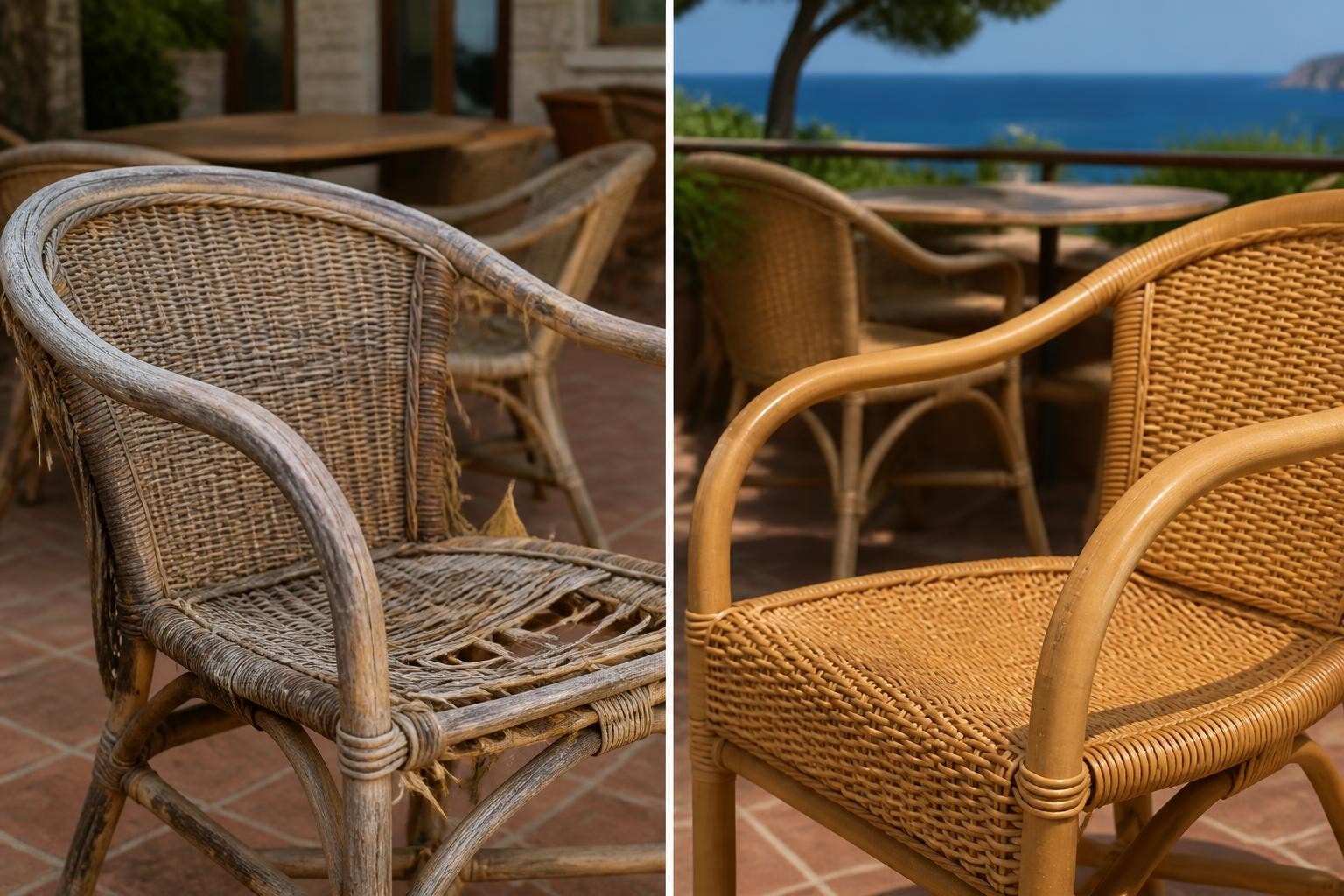
The combination of a rattan chair table set represents one of the most versatile and timeless furniture configurations for hospitality venues across the Western Cape. From vineyard terraces to boutique hotel courtyards, these pieces create inviting dining spaces that blend natural aesthetics with practical durability. However, maintaining these sets in guest-ready condition requires understanding both the material properties of synthetic rattan and the professional restoration techniques that extend their functional life. For hospitality professionals managing furniture inventories, knowing when to restore rather than replace can significantly impact both budgets and sustainability goals.
Understanding Rattan Chair Table Sets in Hospitality Settings
Synthetic rattan furniture has revolutionized outdoor and indoor dining spaces throughout the hospitality industry. Unlike natural materials, modern synthetic rattan withstands UV exposure, moisture fluctuations, and constant guest use while maintaining its aesthetic appeal.
Material Composition and Performance
High-quality synthetic rattan comprises polyethylene or resin fibers woven over aluminum or powder-coated steel frames. This construction delivers several advantages:
- UV resistance that prevents rapid color degradation
- Weather tolerance for year-round outdoor placement
- Easy maintenance requiring minimal cleaning protocols
- Structural integrity that supports commercial use patterns
- Design flexibility accommodating various aesthetic preferences
The rattan chair table combination works particularly well in establishments where atmosphere directly influences guest experience. Wine farms benefit from the natural texture that complements vineyard settings, while guesthouses appreciate the lightweight mobility for seasonal rearrangements.
Common Wear Patterns in Commercial Environments
Hospitality furniture faces accelerating wear compared to residential applications. A typical rattan chair table set in a hotel dining area serves hundreds of guests monthly, creating predictable deterioration patterns.
| Wear Area | Primary Cause | Timeline |
|---|---|---|
| Chair seat weave | Guest weight and friction | 18-24 months |
| Armrest sections | Hand oils and sun exposure | 24-36 months |
| Table surface | Food service and cleaning | 36-48 months |
| Frame joints | Movement and weight stress | 48-60 months |
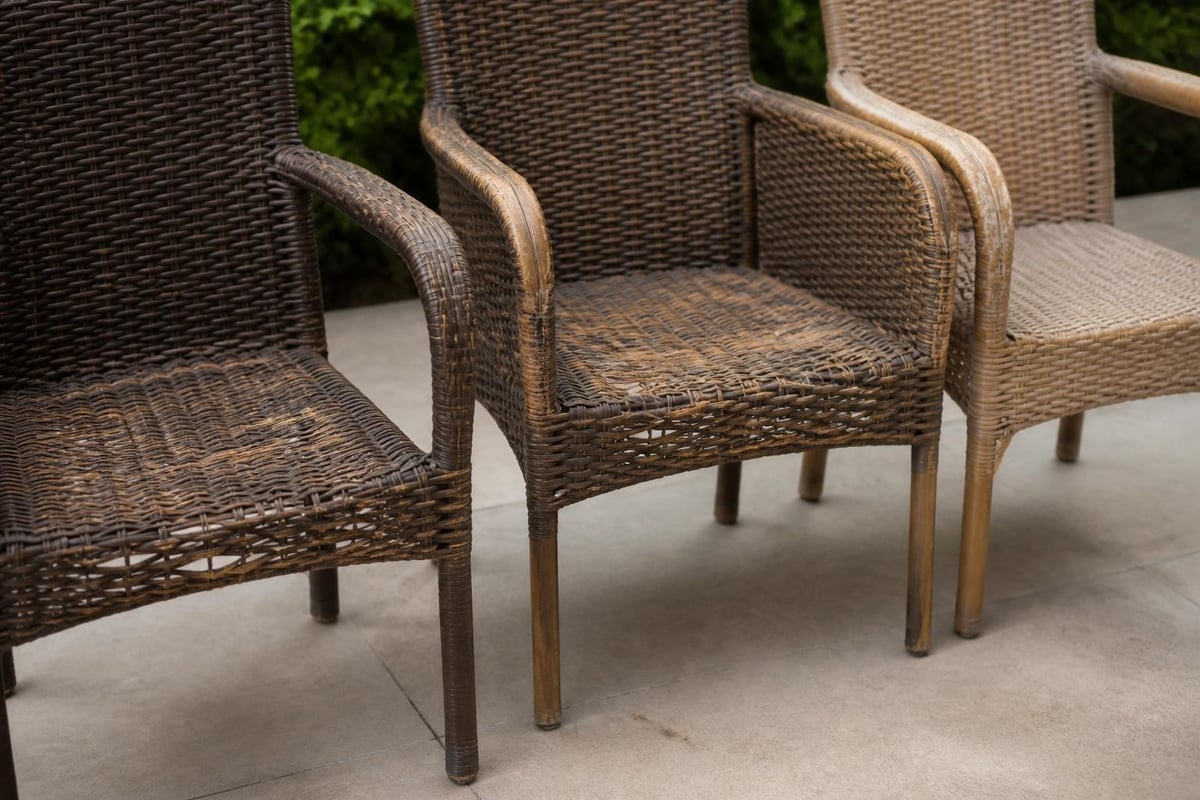
Recognition of these patterns enables proactive maintenance scheduling rather than reactive replacement. Establishments that monitor furniture condition quarterly can plan restoration during off-peak seasons, minimizing operational disruption.
Professional Restoration vs. Replacement Economics
The decision between restoring and replacing a rattan chair table set involves multiple financial and operational considerations. For most Western Cape hospitality venues, restoration presents compelling advantages.
Cost Analysis for Hospitality Operators
Premium synthetic rattan dining sets represent significant capital investments. A quality four-seat configuration typically ranges from R15,000 to R35,000 depending on design complexity and brand positioning. Professional restoration through expert reweaving services costs substantially less while extending useful life by years.
Restoration benefits include:
- Costs averaging 30-40% of replacement pricing
- Retention of existing design coherence across venues
- Reduced environmental impact through material reuse
- Faster turnaround than procurement cycles
- Preservation of guest-familiar aesthetics
Consider a lodge with twenty rattan chair table sets across multiple dining areas. Complete replacement might total R400,000, while systematic restoration could accomplish the same refresh for R140,000, freeing capital for other operational improvements.
Quality Indicators Worth Preserving
Not every piece warrants restoration investment. Hospitality managers should evaluate several factors when assessing their rattan chair table inventory.
Premium indicators include solid aluminum or steel frames, double-weave construction, and branded manufacturer markings. Furniture exhibiting these characteristics typically justifies professional intervention. Conversely, budget-tier pieces with plastic frames or single-layer weaving may cost more to restore than replace.
The bespoke restoration process for high-quality hospitality furniture ensures each piece receives appropriate attention based on its construction quality and role within the venue's overall design scheme.
Maintenance Protocols for Extended Service Life
Implementing systematic maintenance routines dramatically extends the interval between restoration cycles for your rattan chair table sets. Hospitality venues that formalize these processes report significantly lower furniture replacement costs.
Daily and Weekly Care Procedures
Staff training forms the foundation of effective furniture maintenance. Servers and housekeeping teams interact with rattan chair table sets constantly, positioning them as first-line defenders against accelerated wear.
Daily protocols should include:
- Gentle brushing to remove debris from weave gaps
- Immediate spill cleanup with mild soap solutions
- Visual inspection for loose strands or frame movement
- Repositioning furniture to vary sun exposure patterns
- Cushion rotation to distribute wear evenly
Weekly deep cleaning involves more thorough attention. Use soft-bristled brushes with pH-neutral cleaners, avoiding high-pressure washing that can damage weave integrity. According to expert maintenance guidance, proper cleaning techniques preserve both appearance and structural soundness.
Seasonal Protection Strategies
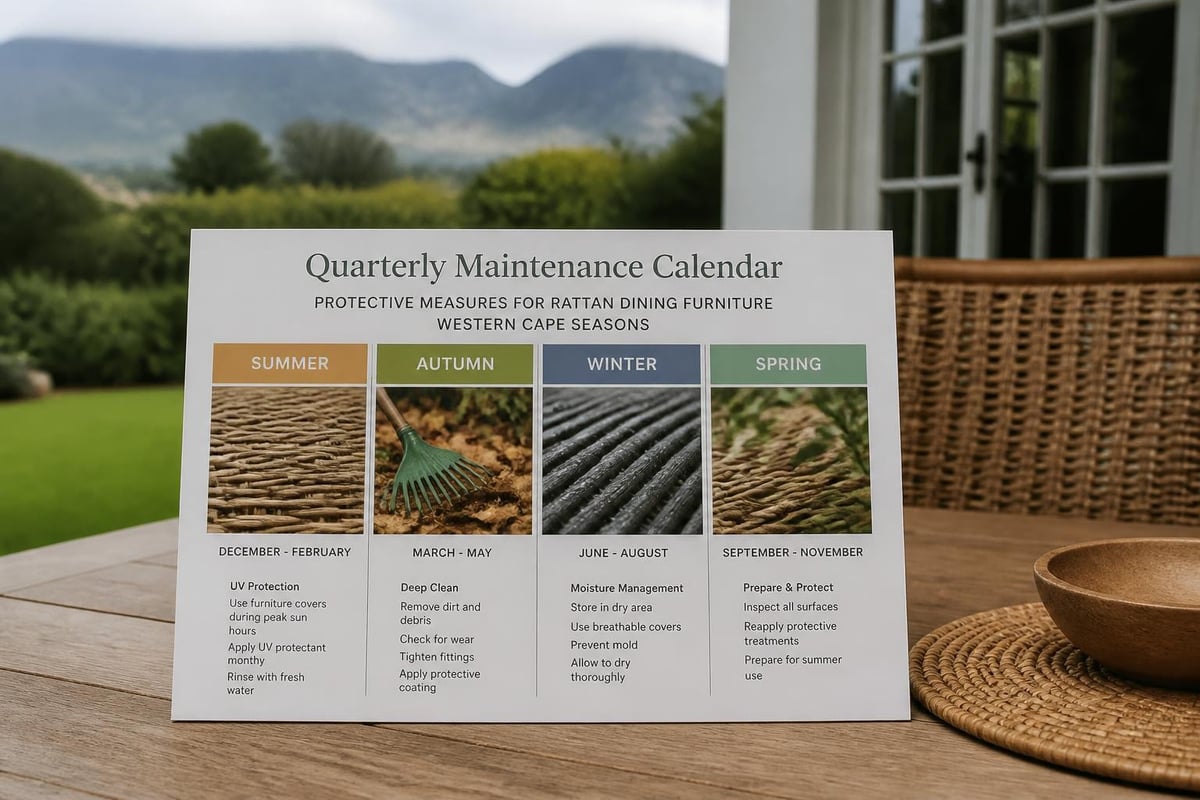
The Western Cape's Mediterranean climate presents distinct seasonal challenges. Summer brings intense UV radiation and temperature extremes, while winter introduces moisture concerns during rainy periods.
| Season | Primary Threat | Protection Method |
|---|---|---|
| Summer | UV degradation | UV-resistant covers during unused hours |
| Autumn | Wind debris | Regular cleaning and inspection |
| Winter | Moisture retention | Covered storage or drainage verification |
| Spring | Temperature fluctuation | Frame joint lubrication and tightening |
Guesthouses and wine farms with covered outdoor areas gain significant advantages, as partial weather protection reduces restoration frequency. Even simple pergola coverage extends rattan chair table lifespan by years.
Design Integration and Styling Approaches
The aesthetic versatility of rattan furniture enables diverse styling approaches across hospitality environments. Understanding how to maximize visual impact while maintaining practical functionality separates exceptional venues from ordinary ones.
Contemporary vs. Traditional Applications
Modern hospitality design increasingly embraces rattan chairs in contemporary settings, pairing clean-lined synthetic rattan with minimalist table designs. This approach suits boutique hotels targeting design-conscious travelers.
Traditional wine farm environments often prefer classic configurations that echo heritage aesthetics. Here, rattan chair table sets with ornate weave patterns and warm tones complement rustic architecture and vineyard vistas.
Styling considerations include:
- Color coordination between chair weave and table finishes
- Cushion selection balancing comfort with weather resistance
- Accessory integration through planters and lighting
- Spatial arrangement optimizing traffic flow and capacity
- Seasonal adaptation with textiles and decorative elements
The versatility of rattan design allows single furniture investments to adapt across multiple aesthetic directions through simple accessory changes.
Creating Cohesive Dining Environments
Hospitality professionals recognize that individual furniture pieces contribute to comprehensive guest experiences. A rattan chair table set functions as both practical necessity and atmospheric element.
Thoughtful placement considers sun angles throughout operating hours, ensuring guests enjoy comfortable temperatures without harsh glare. Outdoor table styling techniques enhance perceived value through layered linens, quality tableware, and seasonal botanical touches.
For establishments maintaining multiple dining zones, consistent rattan chair table selections create visual continuity while allowing subtle variations in cushion colors or accessory choices to distinguish spaces.
Reweaving Techniques and Professional Standards
When restoration becomes necessary, understanding professional processes helps hospitality managers set appropriate expectations and evaluate service providers. Quality restoration work should render furniture indistinguishable from new pieces.
Assessment and Planning Phases
Professional restoration begins with comprehensive furniture assessment. Skilled artisans examine frame integrity, weave condition, and structural soundness before developing restoration plans.
This evaluation determines whether simple reweaving suffices or whether frame repairs, joint reinforcement, or finish restoration become necessary. Transparent communication during this phase prevents budget surprises and establishes realistic timelines.
For hospitality venues, the Premium Syntetic Rattan Furniture Reweaving service delivers specialized expertise in commercial-grade restoration that meets the durability demands of guest-facing environments. Professional reweaving extends furniture life while maintaining the aesthetic consistency crucial for brand presentation.
Material Selection and Weaving Standards
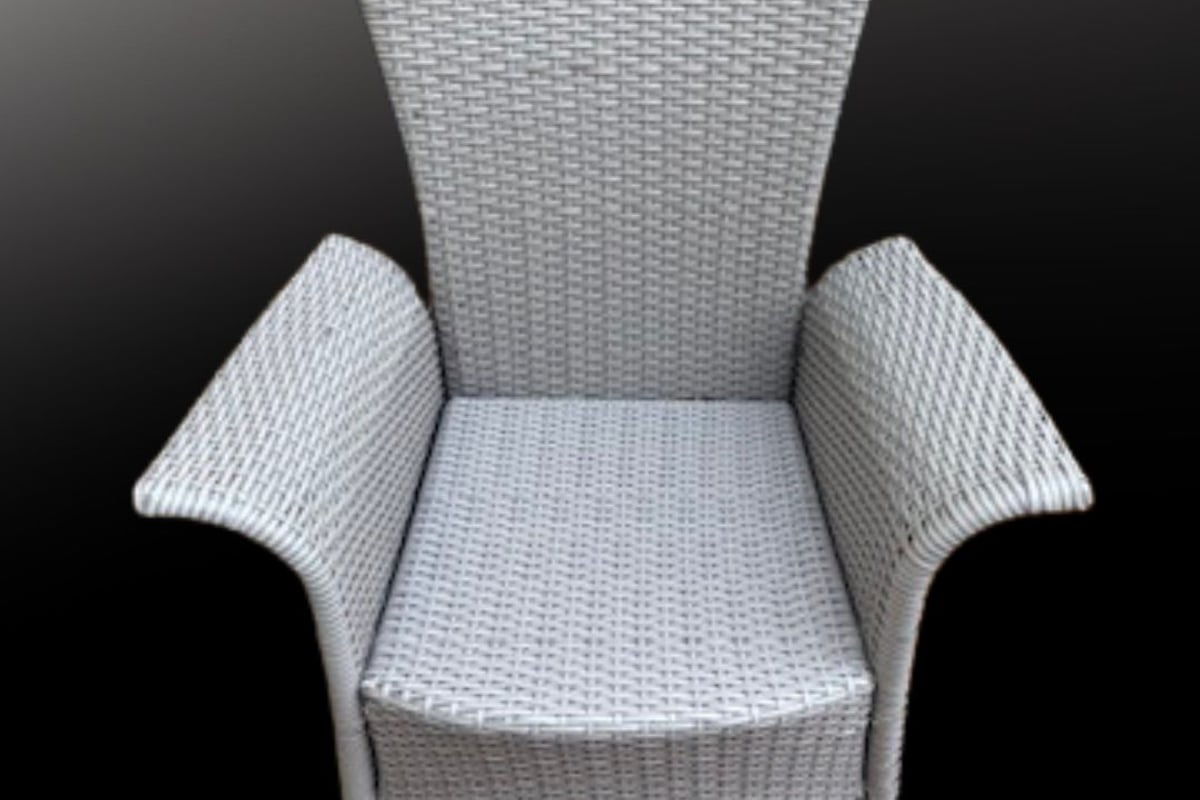
Quality restoration depends on appropriate material choices. Professional services source synthetic rattan matching original specifications in diameter, color, and UV resistance ratings. This attention ensures restored sections age consistently with unrestored areas.
Weaving execution involves:
- Complete removal of damaged sections
- Frame cleaning and preparation
- Strategic weaving pattern recreation
- Tension calibration for durability
- Finishing treatments for weather resistance
The craftsmanship distinguishing professional restoration from amateur attempts appears in consistent weave tension, clean pattern transitions, and secure anchoring at termination points. These details determine whether restored furniture survives another service cycle or fails prematurely.
Inventory Management and Rotation Strategies
Large hospitality operations benefit from systematic approaches to rattan chair table management. Strategic inventory practices optimize restoration timing and minimize service disruptions.
Implementing Tracking Systems
Digital or physical tracking systems document each furniture piece's age, restoration history, and condition assessment. This data enables predictive maintenance scheduling rather than crisis-driven reactions.
Simple spreadsheet systems can track:
- Acquisition date and original cost
- Current location within the property
- Previous restoration dates and scope
- Condition ratings from quarterly inspections
- Scheduled intervention dates based on wear projections
Properties managing fifty or more rattan chair table sets find these systems invaluable for budget forecasting and operational planning.
Rotation Protocols for Even Wear
Strategic furniture rotation distributes wear across inventory rather than concentrating it on high-traffic pieces. Monthly or quarterly rotation moves chairs and tables between premium and standard locations.
This approach extends average furniture lifespan while ensuring all pieces remain serviceable. A rattan chair table set from a less-used terrace can replace a heavily-used restaurant piece sent for restoration, maintaining full operational capacity.
Sustainability Considerations in Hospitality Furnishing
Environmental consciousness increasingly influences hospitality purchasing decisions. The restore-rather-than-replace approach to rattan chair table management aligns perfectly with sustainability commitments.
Environmental Impact Reduction
Furniture production involves significant material extraction, manufacturing energy, and transportation emissions. Extending existing furniture life through professional restoration dramatically reduces these environmental costs.
Sustainability benefits include:
- Elimination of landfill waste from discarded furniture
- Reduced demand for new material production
- Lower carbon footprint from avoided manufacturing
- Support for local restoration craftspeople
- Demonstration of environmental commitment to guests
Many hospitality establishments now communicate these restoration practices in their sustainability messaging, appealing to environmentally-conscious travelers who value responsible resource management.
The growing 2025 rattan furniture trend toward natural materials positions well-maintained rattan chair table sets as both fashionable and responsible choices.
Circular Economy Principles
Professional restoration exemplifies circular economy principles by maximizing product utility before disposal. This approach contrasts sharply with linear "take-make-dispose" models that dominate much commercial furnishing.
Hospitality venues can enhance circular practices by partnering with restoration specialists for long-term furniture lifecycle management. These relationships enable planned intervention schedules, consistent quality standards, and predictable budget allocation.
For additional resources and professional insights, the Rattan Furniture Restoration blog provides ongoing guidance on maintenance techniques, design trends, and industry best practices specific to the Western Cape hospitality context.
Regional Considerations for Western Cape Properties
Local environmental conditions and market dynamics create unique considerations for hospitality furniture management across the Western Cape region.
Climate-Specific Challenges
Coastal properties face salt air exposure that accelerates metal frame corrosion, requiring more frequent frame treatments during restoration cycles. Inland locations contend with greater temperature variations and lower humidity levels affecting synthetic rattan flexibility.
Regional factors include:
- Coastal zones: Salt corrosion, higher humidity, marine winds
- Winelands: Temperature extremes, seasonal tourism patterns, dust exposure
- Mountain areas: Intense UV at altitude, temperature fluctuations, precipitation variations
- Urban settings: Pollution exposure, space constraints, design expectations
Understanding these regional variables helps hospitality managers develop appropriate maintenance schedules and protection strategies for their rattan chair table investments.
Local Restoration Service Advantages
Partnering with Western Cape-based restoration specialists offers several operational benefits beyond mere geographic convenience. Local providers understand regional climate challenges and can schedule work around tourism seasonality.
Transportation costs and coordination complexity decrease substantially when working with nearby specialists. Quick turnaround becomes feasible for urgent needs, while established relationships enable preferential scheduling during peak restoration seasons.
Maintaining guest-ready rattan chair table sets requires balancing aesthetic excellence with practical durability, and professional restoration provides the most cost-effective path to achieving both objectives. When your hospitality furniture shows signs of wear but retains quality construction worth preserving, expert intervention restores both appearance and structural integrity. Rattan Furniture Restoration brings specialized expertise in synthetic rattan reweaving to hotels, guesthouses, wine farms, and lodges throughout the Western Cape, delivering craftsmanship that extends furniture life while maintaining the guest-facing quality your establishment demands.