
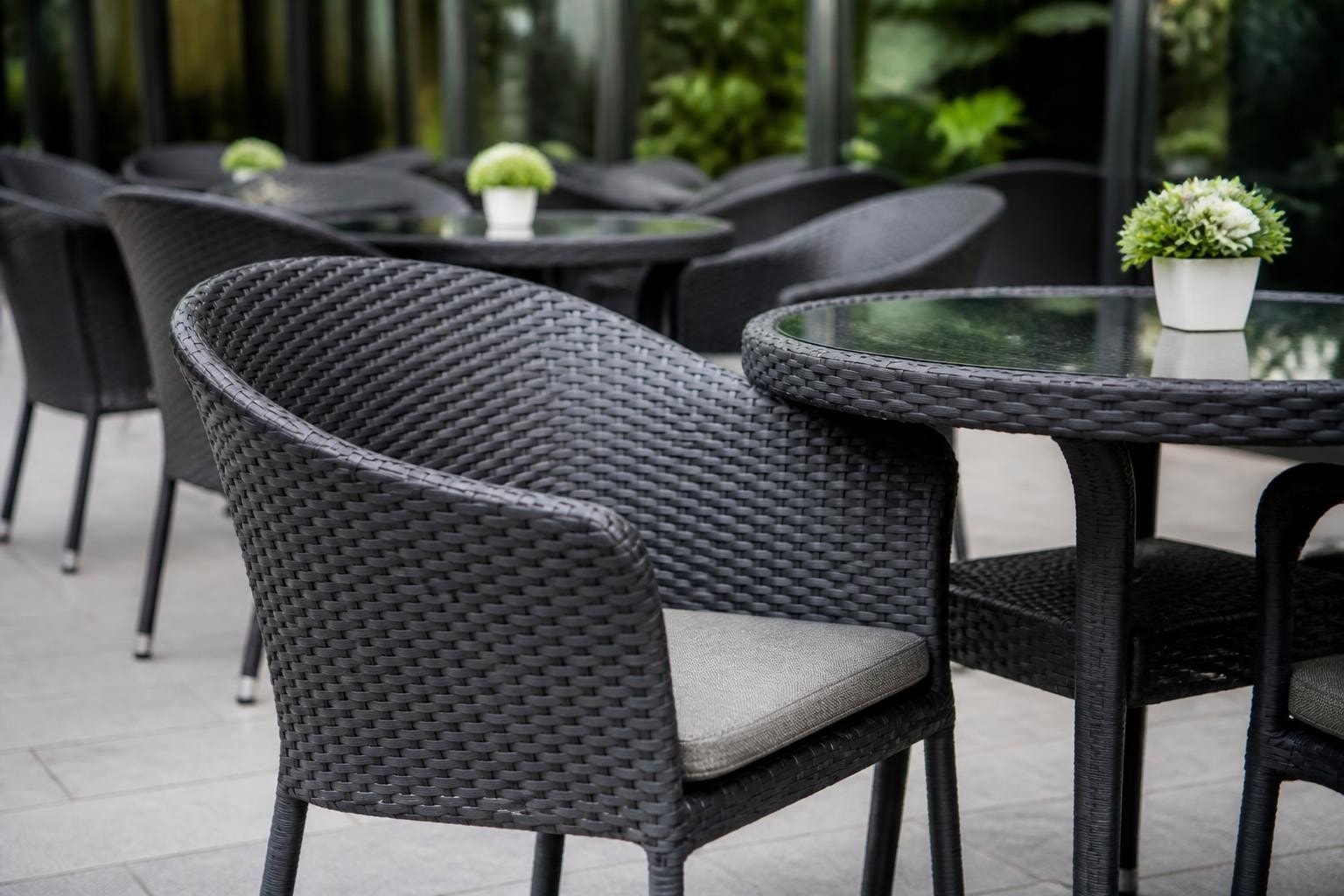
Patio woven chairs have become essential elements in hospitality design, offering the perfect combination of visual appeal, comfort, and durability for outdoor spaces. Whether furnishing a boutique hotel terrace, wine estate courtyard, or luxury guesthouse pool area, these chairs provide guests with inviting seating that withstands the rigors of commercial use while maintaining their aesthetic appeal. Understanding how to select, maintain, and restore these pieces ensures your investment continues delivering exceptional guest experiences year after year.
Understanding Synthetic Rattan Construction in Patio Furniture
The construction quality of patio woven chairs directly impacts their longevity and performance in demanding hospitality environments. Synthetic rattan, engineered from high-density polyethylene (HDPE) or polyurethane materials, offers superior weather resistance compared to natural alternatives.
Material Composition and Durability
Modern synthetic rattan chairs feature UV-stabilized resin strands that resist sun damage, moisture penetration, and temperature fluctuations. These materials maintain their structural integrity through multiple seasons of exposure.
Key characteristics of quality synthetic rattan include:
- UV resistance ratings of 1000+ hours
- Colorfast properties that prevent fading
- Flexibility that prevents cracking under stress
- Non-porous surfaces that resist mold and mildew
- Temperature tolerance from -40°F to 250°F
The weaving density significantly affects both comfort and durability. Tighter weaves distribute weight more evenly while looser patterns may offer enhanced ventilation. Premium hospitality-grade furniture typically features 8-12 strand weaves per inch, creating optimal balance between support and breathability.
Frame Integration and Support Systems
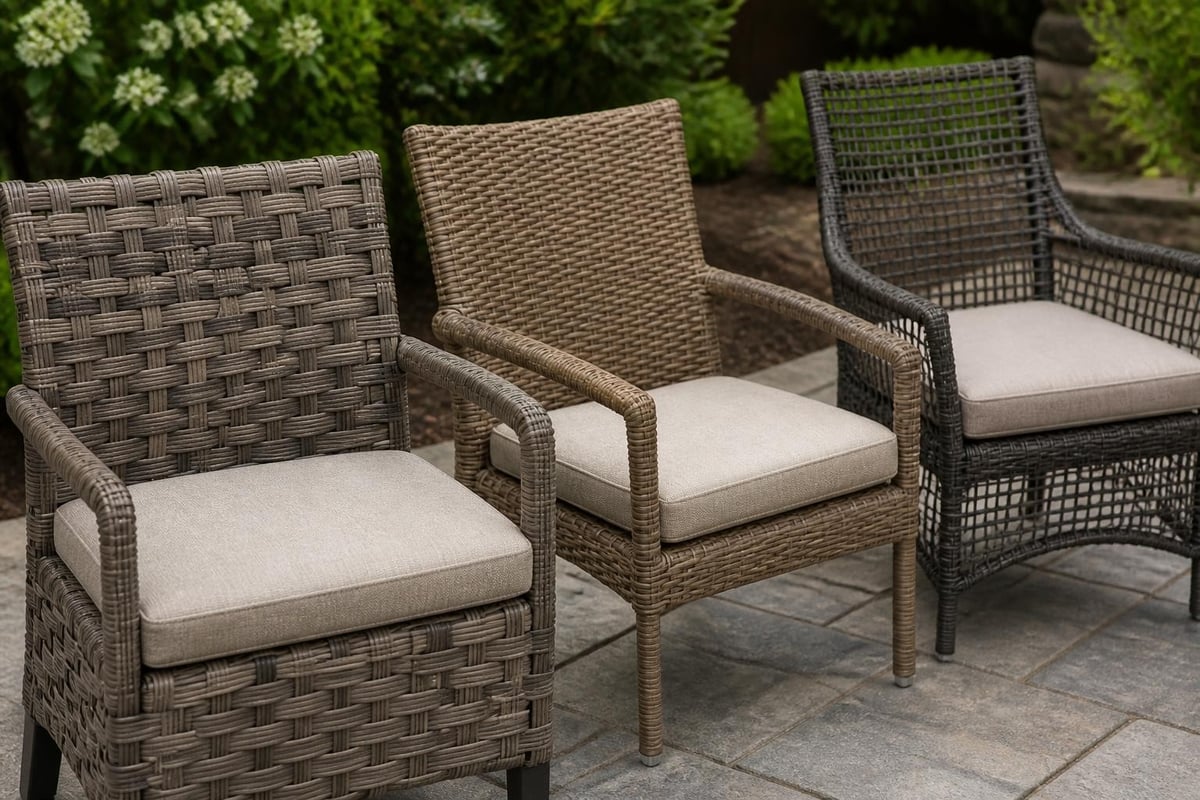
The relationship between woven elements and underlying frames determines overall chair performance. Aluminum frames provide lightweight strength with excellent corrosion resistance, making them ideal for coastal properties. Steel frames offer maximum load capacity for high-traffic areas but require powder coating for weather protection.
Quality construction ensures the synthetic rattan secures firmly to the frame through multiple anchor points. This prevents shifting, sagging, or premature wear at stress points where guests enter and exit the chair.
Selection Criteria for Hospitality Environments
Choosing appropriate patio woven chairs requires careful consideration of your property's specific needs and guest demographics. The Home Depot's patio furniture buying guide offers helpful baseline information, though commercial applications demand additional scrutiny.
Weight Capacity and Usage Patterns
Commercial-grade chairs must accommodate diverse body types while maintaining structural integrity through thousands of use cycles annually. Standard residential pieces typically support 250-300 pounds, while hospitality furniture should handle 350-400 pounds minimum.
| Chair Type | Residential Rating | Commercial Rating | Typical Lifespan |
|---|---|---|---|
| Dining Chair | 250 lbs | 350 lbs | 5-7 years |
| Lounge Chair | 275 lbs | 400 lbs | 4-6 years |
| Armchair | 300 lbs | 375 lbs | 5-8 years |
Consider daily turnover rates when calculating expected wear. A wine farm hosting weekend visitors experiences different stress patterns than a guesthouse with daily guest turnover. Peak season usage may concentrate entire year's wear into three to four months, accelerating degradation.
Design Coherence Across Property
Maintaining visual consistency throughout different property zones creates cohesive guest experiences. Forbes reviews of patio chairs showcase contemporary trends, but hospitality properties benefit from timeless designs that remain relevant through renovation cycles.
Design elements to coordinate include:
- Weave patterns and strand colors
- Frame finishes and materials
- Cushion profiles and upholstery
- Arm styles and heights
- Leg designs and floor contact points
Poolside areas may require different profiles than dining terraces, but color palettes and weave styles should create visual harmony. This allows flexible furniture repositioning while maintaining aesthetic integrity across zones.
Maintenance Protocols for Extended Lifespan
Implementing structured maintenance schedules dramatically extends the functional life of patio woven chairs in commercial settings. Regular attention prevents minor issues from escalating into costly replacements.
Daily and Weekly Care Routines
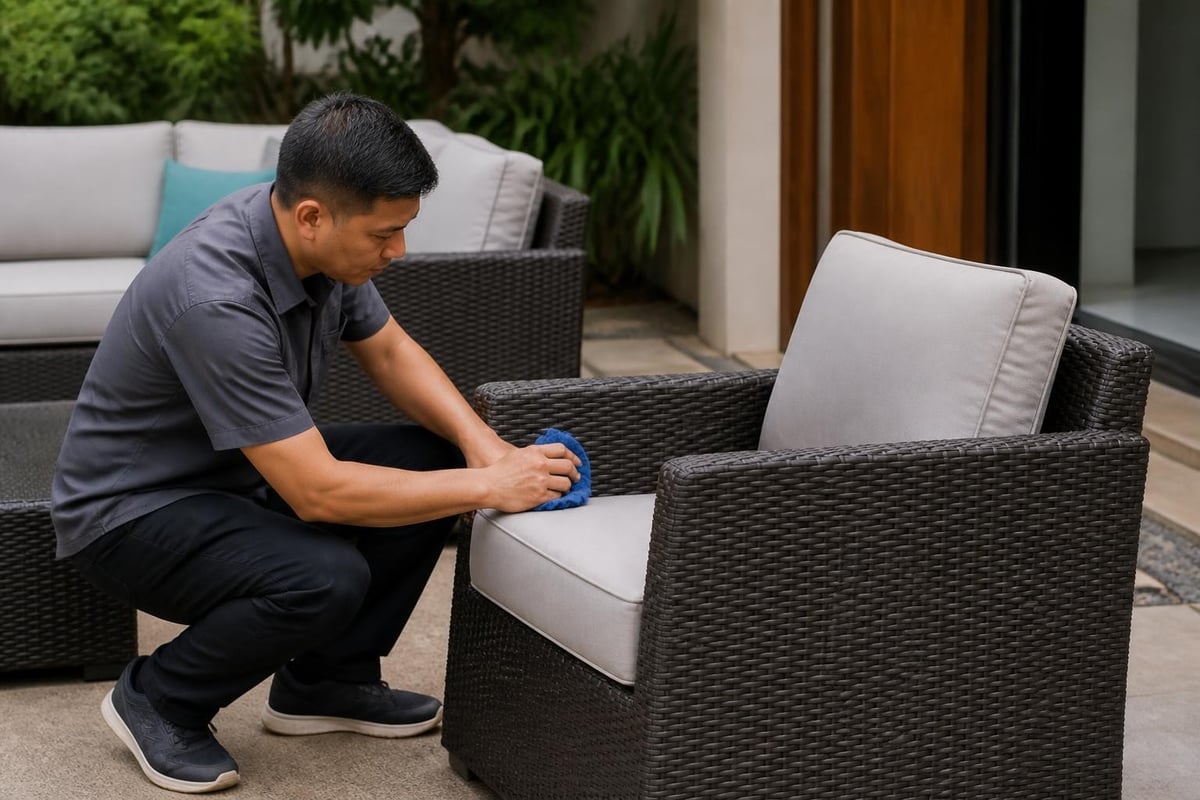
Staff training on proper furniture care ensures consistent treatment across all pieces. Daily protocols should include visual inspections for loose strands, frame damage, or cushion displacement.
- Morning setup inspection: Check each chair for visible damage before guest areas open
- Mid-day spot cleaning: Address spills, stains, or debris accumulation immediately
- Evening wipe-down: Remove surface dust, pollen, and light soiling with damp cloths
- Weekly deep cleaning: Use mild soap solutions and soft brushes to clean weave crevices
- Monthly structural assessment: Test frame stability and weave tension across all pieces
The Western Cape's climate presents specific challenges including intense summer UV exposure, winter moisture, and salt air in coastal zones. Properties should adjust cleaning frequencies based on seasonal conditions and guest occupancy levels.
Identifying Early Degradation Signs
Recognizing deterioration patterns allows proactive intervention before guests notice quality decline. Sun exposure typically affects south and west-facing areas most severely, causing color fading before structural compromise.
Common wear indicators include:
- Strand discoloration or whitening
- Weave loosening at high-stress points
- Frame corrosion or finish deterioration
- Cushion compression or cover fading
- Joint instability or squeaking
Properties serving food and beverages face additional challenges from spills, oils, and acidic substances. Regular monitoring of dining areas prevents permanent staining or material degradation from chemical exposure.
Professional Restoration Versus Replacement
When patio woven chairs show significant wear, property managers face decisions between restoration and replacement. Understanding cost-benefit analysis helps optimize furniture budgets while maintaining guest experience standards.
Economic Considerations in Hospitality Settings
Replacement costs for quality commercial synthetic rattan chairs range from $200 to $800 per piece depending on design complexity and materials. For properties with 50-200+ chairs, total replacement represents substantial capital expenditure.
Professional restoration through Premium Synthetic Rattan Furniture Reweaving typically costs 40-60% of replacement while extending furniture life by 3-5 years. This approach delivers exceptional return on investment while maintaining design consistency across existing furniture collections.
| Option | Cost Per Chair | Lifespan Extension | Environmental Impact |
|---|---|---|---|
| Full Replacement | $400-800 | 5-7 years | High waste generation |
| Professional Reweaving | $180-400 | 3-5 years | Minimal waste |
| DIY Repair | $50-100 | 6-12 months | Variable results |
Restoration Process and Timeline
Professional restoration begins with comprehensive assessment identifying structural issues, weave damage, and finish deterioration. Hoog Design's exploration of woven outdoor furniture illustrates how expert craftsmanship maintains design integrity throughout restoration.
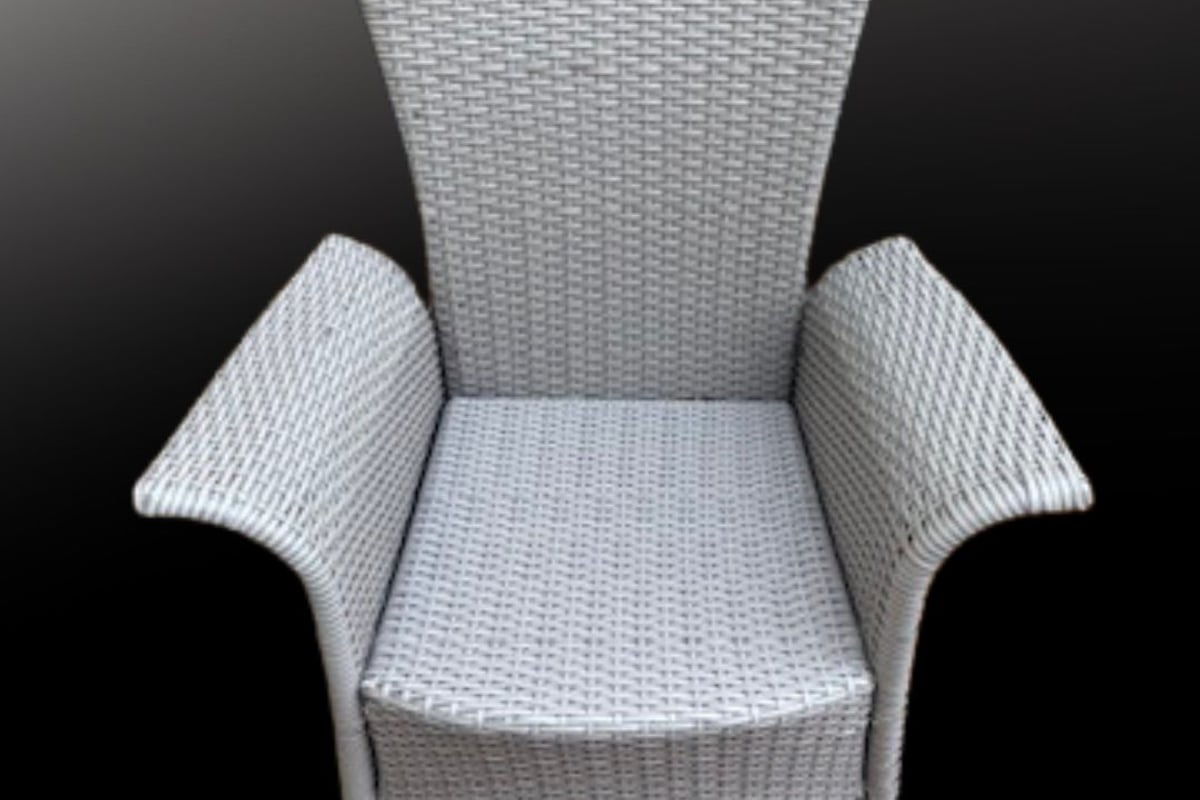
Skilled artisans remove damaged synthetic rattan strands while preserving frame integrity. New material matching original specifications ensures color consistency and weave patterns align with existing furniture. Frame repairs, powder coating touch-ups, and final quality inspections complete the process.
Typical restoration timelines for hospitality properties:
- Assessment and quotation: 2-3 business days for on-site evaluation
- Collection and transport: Coordinated with property operations to minimize disruption
- Restoration work: 2-4 weeks depending on piece quantity and damage severity
- Quality control: Final inspection ensures guest-ready standards
- Delivery and placement: Returned to original locations with placement documentation
Seasonal Preparation and Storage Strategies
The Western Cape's distinct seasons require adapted furniture management strategies. While synthetic rattan handles weather exposure better than natural materials, strategic seasonal preparation maximizes lifespan.
Pre-Summer Conditioning
Before peak guest season, comprehensive furniture preparation ensures optimal presentation and performance. Deep cleaning removes winter moisture accumulation and mold spores that develop during rainy months.
Pre-season preparation checklist:
- Power wash frames and weave with appropriate pressure settings
- Apply UV-protective treatments to extend fade resistance
- Tighten all frame joints and replace worn hardware
- Refresh cushions with new covers or professional cleaning
- Document piece conditions for mid-season comparison
Properties near coastal areas should pay particular attention to salt accumulation, which accelerates frame corrosion despite powder coating protection. Regular rinsing during summer months prevents buildup.
Winter Protection Protocols
While synthetic rattan resists moisture damage, prolonged winter exposure in wet climates can reduce lifespan. Properties with covered storage options should utilize them during extended low-occupancy periods.
When storage isn't feasible, protective covers designed for breathability prevent moisture trapping while shielding from direct rain exposure. Elevating chairs slightly reduces ground moisture contact and improves air circulation.
Design Trends in Commercial Patio Furniture
Contemporary hospitality design increasingly emphasizes authentic materials and craftsmanship narratives. Patio woven chairs deliver these qualities while meeting practical commercial requirements.
House & Home's showcase of woven chair designs demonstrates how these pieces enhance various outdoor aesthetics, from modern minimalist to traditional estate settings.
Color and Texture Coordination
Modern synthetic rattan manufacturing offers extensive color palettes beyond traditional brown and tan tones. Gray, charcoal, and two-tone weaves create sophisticated contemporary aesthetics while maintaining UV stability.
Texture variations through different strand profiles and weave patterns add visual interest without compromising durability. Flat strands offer sleek modern appearance, while rounded profiles create more traditional looks reminiscent of natural materials.
Ergonomic Evolution in Seating Design
Guest comfort expectations continue rising across hospitality segments. Contemporary patio woven chairs incorporate ergonomic principles including lumbar support curves, appropriate seat depths, and arm height optimization.
Lounge chairs for pool areas feature reclined angles between 30-45 degrees, while dining chairs maintain 90-100 degree back angles for proper meal posture. Understanding these specifications ensures guest comfort across different property zones and activities.
Integration with Overall Property Aesthetics
Successful patio woven chairs complement architectural styles and landscape design rather than competing for attention. Wine estates might favor traditional weave patterns harmonizing with historic buildings, while contemporary boutique hotels embrace minimalist profiles.
For properties exploring bespoke furniture solutions, custom weave patterns and frame configurations create signature looks unavailable through standard commercial channels. This differentiation enhances brand identity while maintaining commercial-grade durability.
Coordinating with Hardscaping and Landscaping
Outdoor furniture exists within broader environmental contexts including paving materials, plantings, and architectural elements. Successful integration considers these relationships.
Darker furniture tones ground spaces with light-colored paving, while lighter pieces prevent visual heaviness against dark stone or wood decking. Strategic placement near plantings creates natural shade while protecting furniture from excessive direct sun exposure.
Quality Assurance and Vendor Selection
Sourcing commercial-grade patio woven chairs requires vetting suppliers for hospitality-specific requirements. Residential furniture retailers often lack products meeting commercial durability standards.
Evaluation criteria for furniture suppliers:
- Commercial warranty terms (minimum 2-3 years)
- Frame construction specifications and materials
- Weave density and UV resistance ratings
- Load capacity certifications
- Replacement part availability
- Lead times for initial orders and reorders
Establishing relationships with restoration specialists during initial furniture acquisition provides long-term value. Access to expert maintenance guidance through regular blog updates helps properties optimize furniture care protocols.
Staff Training and Guest Education
Proper furniture care extends beyond maintenance staff to include all team members interacting with outdoor spaces. Front desk personnel, restaurant servers, and housekeeping teams should understand basic care protocols.
Guest education through subtle signage or welcome materials can reduce accidental damage. Simple reminders about appropriate furniture use prevent issues like standing on chairs, dragging across rough surfaces, or leaving wet towels creating moisture traps.
Documentation and Inventory Management
Maintaining detailed furniture inventories supports replacement planning and restoration scheduling. Digital records should include:
- Purchase dates and supplier information
- Original specifications and product codes
- Maintenance history and repair records
- Current condition assessments
- Warranty expiration dates
- Replacement cost estimates
This documentation enables data-driven decisions about restoration timing, replacement prioritization, and budget allocation across multiple furniture categories.
Investing in quality patio woven chairs and maintaining them through professional care delivers exceptional long-term value for hospitality properties throughout the Western Cape. When your furniture shows wear from faithful service, restoration offers cost-effective renewal while preserving the aesthetic consistency your guests appreciate. Rattan Furniture Restoration specializes in bringing synthetic rattan furniture back to guest-ready condition through expert reweaving and refurbishment, helping hotels, wine farms, lodges, and guesthouses maintain their signature outdoor spaces without the expense of complete replacement.