
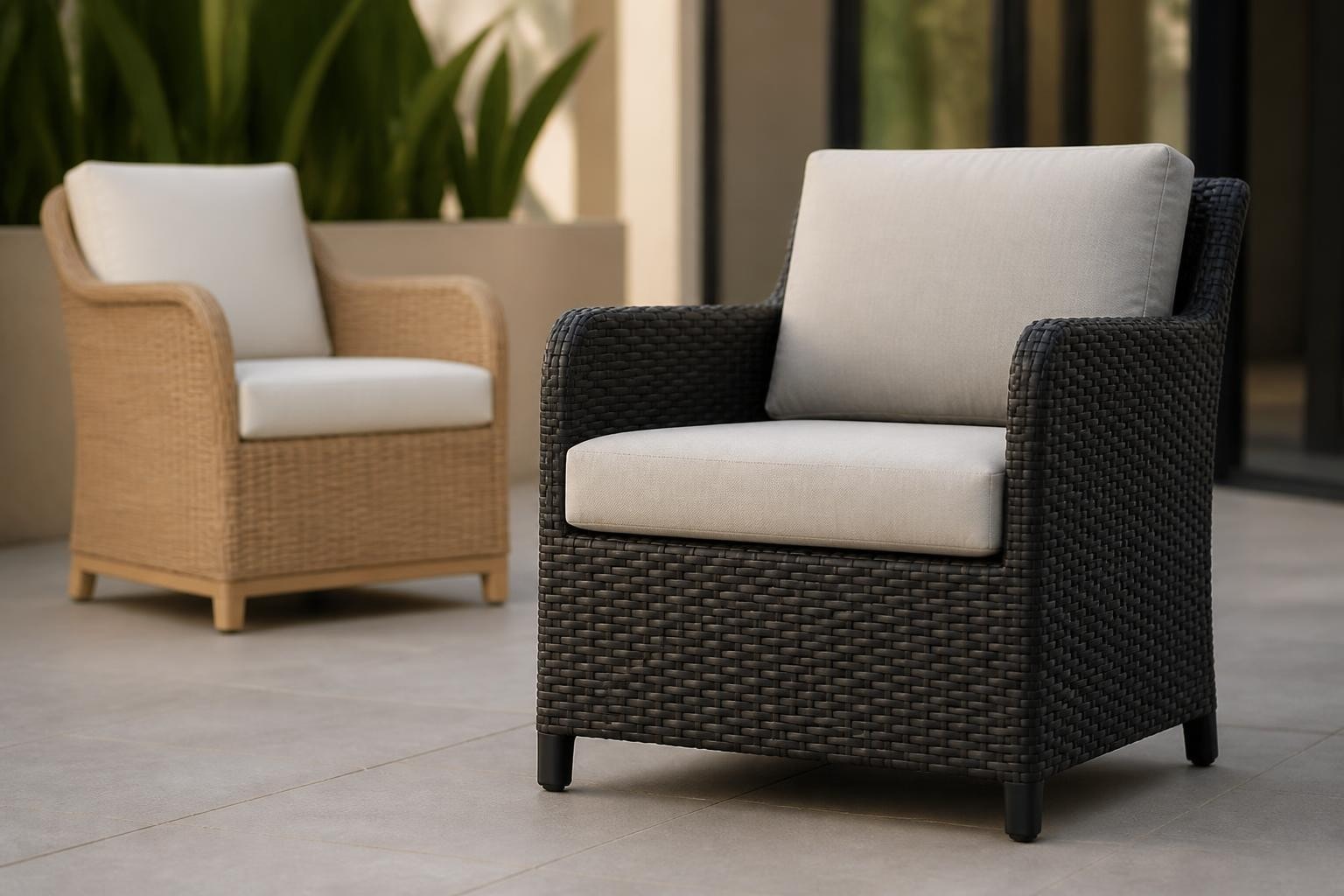
The outdoor synthetic rattan armchair represents one of the most versatile and enduring choices for hospitality venues seeking to create inviting spaces that withstand the demands of daily guest use and harsh weather conditions. For hotels, guesthouses, wine estates, and luxury lodges throughout the Western Cape, selecting the right outdoor seating requires balancing aesthetic appeal with practical durability. Unlike natural materials that deteriorate under UV exposure and moisture, synthetic rattan armchairs deliver consistent performance while maintaining their visual appeal season after season.
Understanding Synthetic Rattan Construction for Commercial Use
Material Composition and Weather Resistance
Modern synthetic rattan furniture utilizes high-density polyethylene (HDPE) or polypropylene polymers engineered specifically for outdoor applications. These materials resist moisture penetration, UV degradation, and temperature fluctuations that would destroy natural alternatives.
Key performance characteristics include:
- UV stabilizers integrated throughout the polymer structure
- Non-porous surfaces that prevent mold and mildew growth
- Color retention that maintains appearance for 5-7 years minimum
- Structural flexibility that prevents cracking under stress
The frame construction underneath the synthetic rattan weave determines long-term durability. Premium commercial-grade armchairs feature powder-coated aluminum or stainless steel frames that resist corrosion in coastal environments. Budget options may use galvanized steel, which performs adequately in drier climates but shows weakness in high-humidity locations.
Weaving Techniques and Pattern Durability
Professional manufacturers employ specific weaving patterns that distribute stress evenly across the armchair structure. Tight weaves offer superior support and longevity, while looser patterns may provide enhanced breathability but require more frequent maintenance.
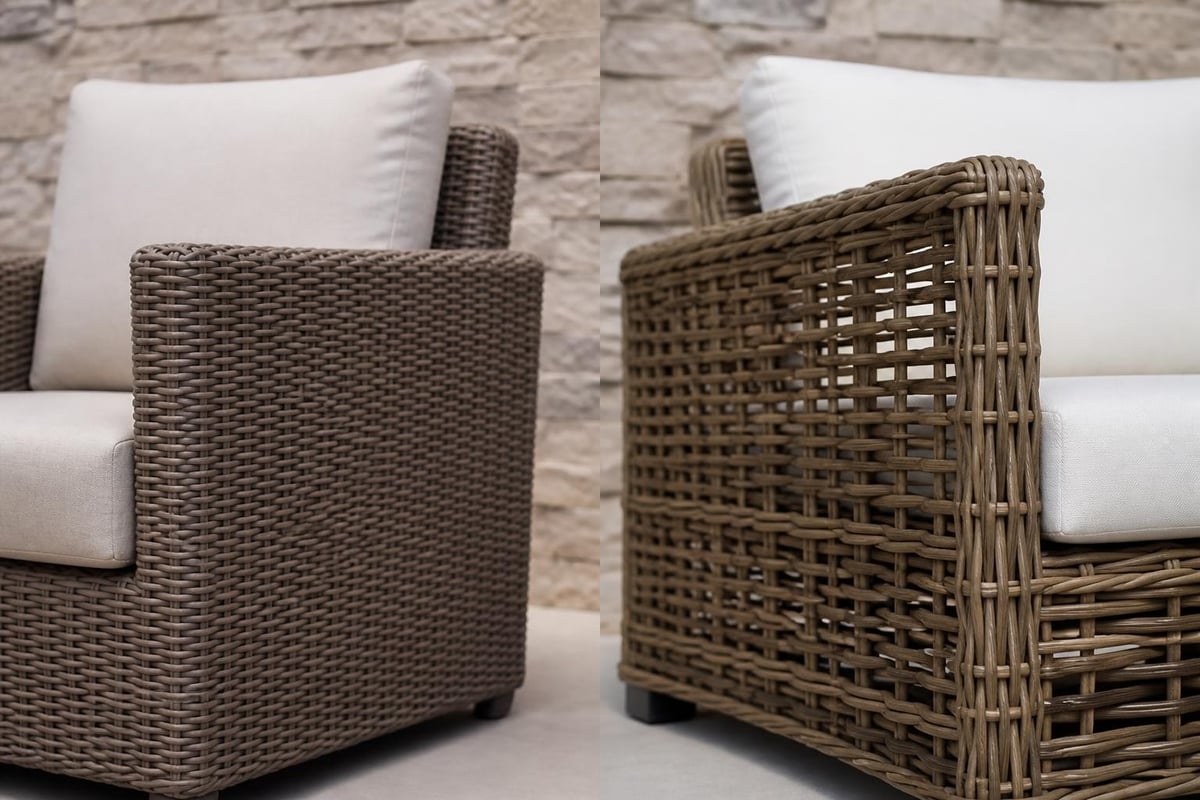
| Weave Pattern | Durability Rating | Maintenance Frequency | Best Application |
|---|---|---|---|
| Tight basketweave | Excellent (8-10 years) | Annual inspection | High-traffic poolside areas |
| Standard flat weave | Very good (6-8 years) | Semi-annual check | Restaurant patios |
| Open lattice | Good (4-6 years) | Quarterly assessment | Covered verandas |
| Round core weave | Excellent (8-10 years) | Annual inspection | Luxury suite balconies |
The resurgence of woven designs in 2026 reflects growing appreciation for craftsmanship that combines traditional aesthetics with modern material science. Hospitality venues increasingly recognize that quality synthetic rattan furniture delivers better return on investment than cheaper alternatives requiring frequent replacement.
Selecting the Right Armchair Design for Hospitality Spaces
Proportions and Guest Comfort
An outdoor synthetic rattan armchair must accommodate diverse body types while maintaining structural integrity under continuous use. Standard commercial specifications recommend seat depths between 20-24 inches, widths of 26-30 inches, and back heights of 34-38 inches from ground level.
Armrest height critically affects guest comfort. Armrests positioned 24-26 inches from the ground allow easy sitting and standing motions for most adults. Lower armrests create accessibility challenges for elderly guests, while excessive height forces uncomfortable shoulder positioning.
Style Considerations for Different Venue Types
Wine estates and luxury lodges benefit from armchair designs that complement natural surroundings without appearing rustic. Clean-lined contemporary pieces with subtle curves balance sophistication with approachability. Coastal guesthouses often select lighter color palettes that reflect ocean aesthetics while resisting visible salt accumulation.
Design elements to evaluate:
- Curved versus angular frame geometry
- Cushion integration points and retention systems
- Stackability for seasonal storage
- Color options that mask minor wear patterns
The trend toward outdoor bouclé furniture demonstrates guest preference for tactile comfort combined with visual softness. While bouclé fabric differs from synthetic rattan, both materials share appeal through textural interest that elevates outdoor spaces beyond purely functional arrangements.
Maintenance Protocols for Commercial Environments
Daily and Weekly Care Requirements
Hospitality venues must establish consistent cleaning schedules that preserve appearance without damaging synthetic materials. Daily protocols include removing loose debris with soft-bristle brushes and spot-cleaning spills immediately with mild soap solutions.
Weekly deep cleaning should address accumulated dust, pollen, and organic matter that settles into weave crevices. High-pressure washing proves effective but requires proper technique to avoid damaging weave intersections. Maintain spray nozzles at minimum 12 inches from surfaces and use fan patterns rather than concentrated streams.
Comprehensive outdoor furniture care guidelines emphasize preventive maintenance as the most cost-effective approach to extending furniture lifespan. Regular inspections identify loose weave sections or frame connections before they progress to structural failures requiring professional intervention.
Seasonal Protection Strategies
Even premium synthetic rattan benefits from seasonal protection during extreme weather events. Winter storage in climate-controlled facilities prevents unnecessary stress from freeze-thaw cycles. Venues without storage capacity should invest in breathable furniture covers that prevent moisture accumulation while allowing air circulation.
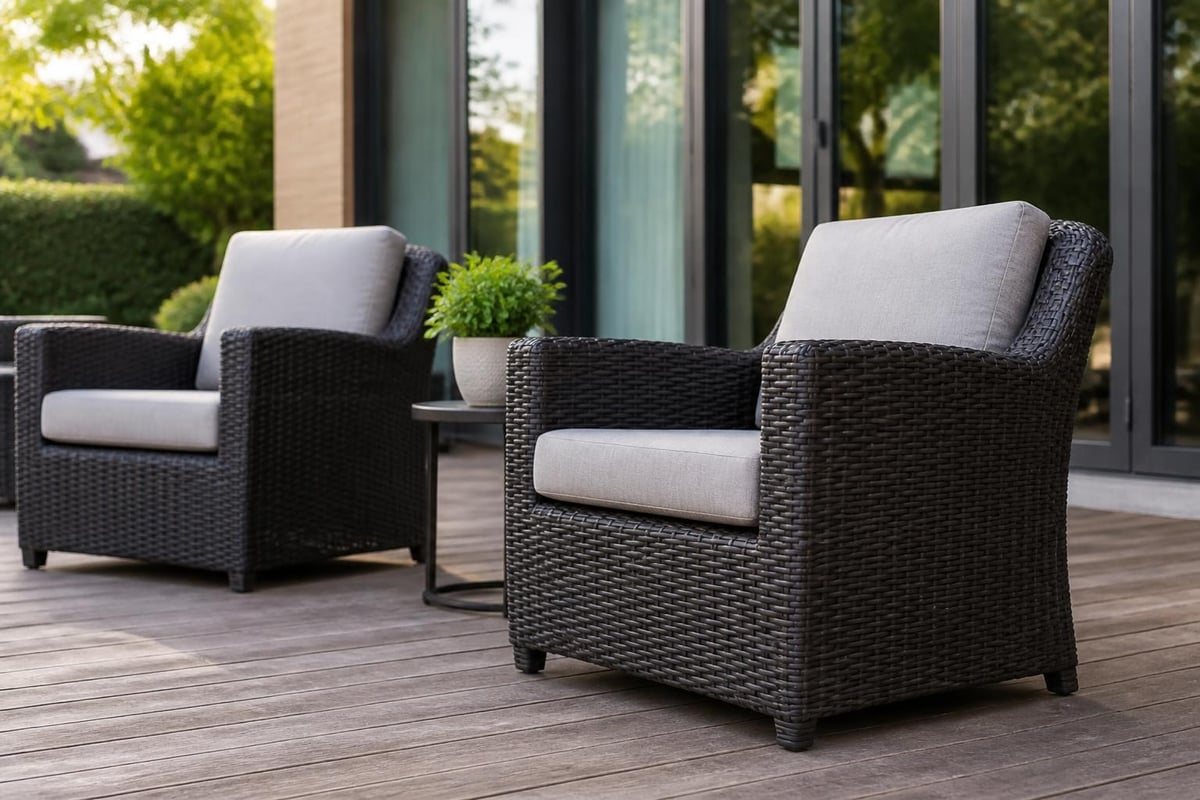
Coastal properties face accelerated degradation from salt spray and high humidity. Monthly freshwater rinses remove salt deposits before they penetrate weave intersections and contact metal components. Applying protective polymeric coatings annually creates additional barriers against environmental stress.
Professional Restoration Versus Replacement Economics
Calculating True Ownership Costs
Purchasing decisions should consider total cost of ownership rather than initial acquisition price alone. An outdoor synthetic rattan armchair with exceptional construction may cost 40-60% more upfront but deliver twice the service life of budget alternatives.
Total ownership calculation factors:
- Initial purchase price per unit
- Expected lifespan under commercial use
- Annual maintenance costs
- Restoration expenses at midlife point
- Disposal and replacement costs
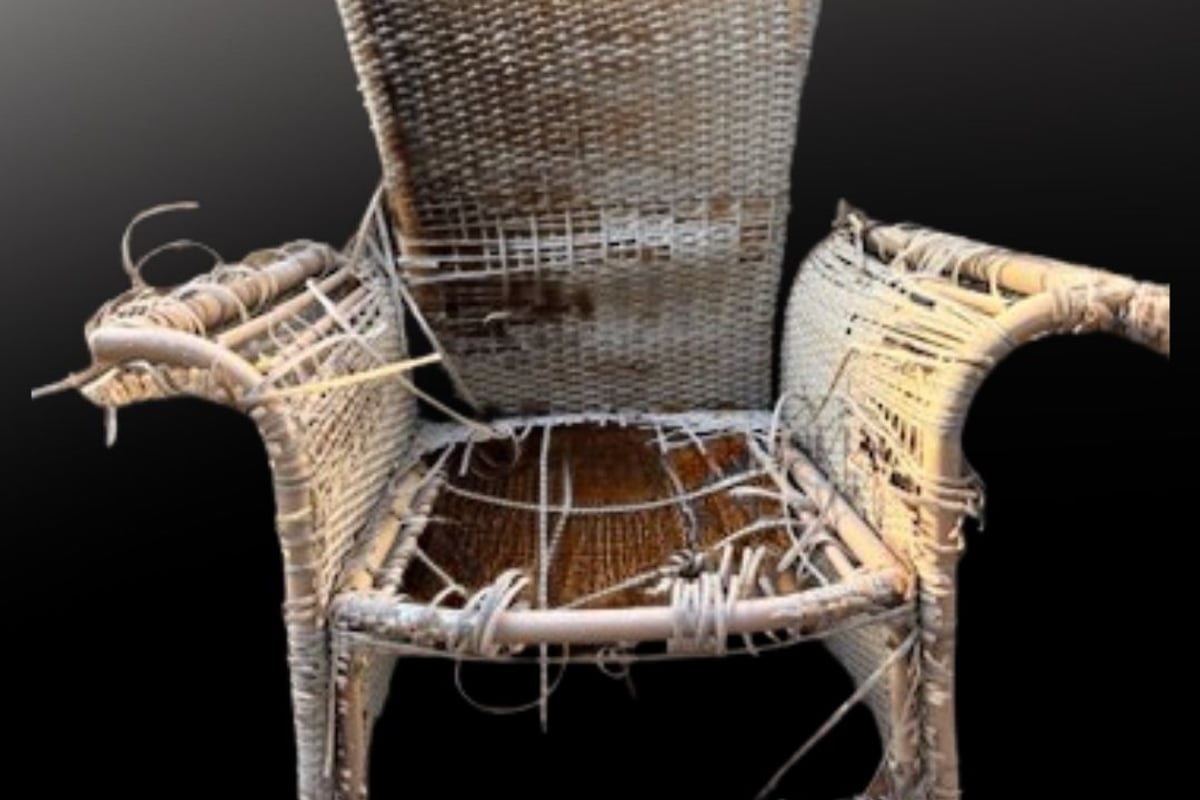
Many hospitality managers discover that professional restoration delivers better financial outcomes than premature replacement. Expert reweaving services address specific damage areas while preserving functional frame structures, extending useful life by 3-5 years at approximately 30-40% of new furniture costs.
Identifying Restoration Candidates
Not every damaged armchair justifies restoration investment. Frame integrity determines restoration viability more than cosmetic weave condition. Severely corroded frames, cracked welds, or structurally compromised joints indicate replacement necessity.
Ideal restoration candidates feature:
- Solid frame construction with minor surface corrosion only
- Localized weave damage affecting less than 40% of total surface
- Premium original construction quality worth preserving
- Discontinued styles matching existing furniture collections
When your venue's outdoor seating shows signs of wear but maintains structural soundness, Premium Synthetic Rattan Furniture Reweaving services restore pieces to guest-ready condition. Professional artisans replace faded or damaged synthetic rattan while preserving the original frame investment, delivering cost-effective sustainability for hospitality furniture collections.
Design Integration Strategies for Cohesive Outdoor Spaces
Color Palette Coordination
Synthetic rattan armchairs function as anchor pieces that establish outdoor area aesthetics. Neutral tones including taupe, charcoal, and warm gray provide versatile foundations that accommodate seasonal cushion changes and evolving design preferences.
| Color Choice | Wear Visibility | Heat Absorption | Style Compatibility |
|---|---|---|---|
| Light taupe | Low | Moderate | Traditional, coastal |
| Charcoal gray | Very low | High | Contemporary, urban |
| Espresso brown | Low | High | Classic, wine country |
| Pearl white | High | Low | Modern, minimalist |
Bold color selections create distinctive venue personalities but show wear patterns more prominently. White and cream synthetics display environmental staining that requires more aggressive cleaning protocols. Dark colors absorb solar radiation, creating uncomfortably hot seating surfaces in direct sun exposure.
Arrangement Patterns for Guest Flow
Strategic armchair placement influences guest behavior and space utilization efficiency. Conversation groupings with 4-6 chairs arranged around low tables encourage social interaction while maintaining intimate scale. Linear arrangements along pool decks or terraces maximize capacity without creating crowded atmospheres.
The expert-approved seating ideas demonstrate how thoughtful furniture selection and arrangement transform functional outdoor areas into destination spaces that enhance overall guest experience. Hospitality venues benefit from studying residential design excellence and adapting principles for commercial durability requirements.
Cushion Selection and Management
Cushioning significantly impacts comfort perception but introduces maintenance complexity. Quick-dry foam cores with solution-dyed acrylic covers resist moisture retention and color fading. Removable cushion designs allow rotation to equalize wear patterns and facilitate professional cleaning.
Storage systems for cushions during inclement weather extend their useful life dramatically. Many venues find that investing in quality cushion storage cabinets delivers better outcomes than accepting accelerated replacement cycles.
Material Authentication and Quality Verification
Distinguishing Premium Synthetic Rattan
Commercial furniture markets contain dramatic quality variations that impact long-term performance. Premium synthetic rattan exhibits consistent strand diameter throughout each piece, with smooth surfaces free from manufacturing defects like splits or rough edges.
Quality indicators to verify:
- Strand thickness consistency (typically 4-8mm for commercial grade)
- Color uniformity across all furniture pieces in a set
- Weave tightness that prevents finger penetration between strands
- Frame weight suggesting substantial metal gauge usage
Budget manufacturers often reduce material costs through thinner synthetic rattan strands that stretch under load and lighter frame construction that flexes excessively. These compromises create furniture that appears acceptable initially but fails prematurely under hospitality use patterns.
Warranty Coverage Analysis
Comprehensive warranties indicate manufacturer confidence in construction quality. Commercial-grade outdoor synthetic rattan armchairs should include minimum 2-year coverage on weave integrity and 5-year protection against frame corrosion. Limited warranties excluding UV damage or requiring specific maintenance protocols suggest inferior materials.
Reading warranty exclusions reveals potential weaknesses. Manufacturers excluding saltwater environments or requiring specific cleaning products acknowledge material limitations that affect coastal hospitality venues significantly.
Environmental Considerations and Sustainability
Lifecycle Environmental Impact
Synthetic rattan furniture generates environmental costs during manufacturing but delivers sustainability benefits through extended service life and restoration potential. Premium pieces lasting 10-15 years with midlife restoration avoid landfill waste from repeated replacement cycles.
Hospitality venues increasingly prioritize sustainability credentials that resonate with environmentally conscious guests. Choosing durable furniture requiring less frequent replacement and supporting local restoration services demonstrates commitment to circular economy principles.
The care guidelines from outdoor furniture specialists emphasize that proper maintenance extends lifespan significantly, reducing environmental impact per year of service. This approach aligns with hospitality industry trends toward measurable sustainability metrics.
Recycling and End-of-Life Planning
HDPE and polypropylene synthetic materials used in quality outdoor armchairs are technically recyclable, though furniture recycling infrastructure remains limited in most regions. Forward-thinking venues establish relationships with specialized recyclers who process commercial furniture components.
Frame materials offer better recycling prospects. Aluminum and stainless steel retain significant scrap value, creating incentive for proper separation and processing. Venues replacing substantial furniture quantities should negotiate recycling services as part of disposal planning.
Emerging Design Trends Shaping Future Selections
Contemporary Interpretations of Classic Forms
The 2026 outdoor furniture market shows strong interest in pieces that reference traditional craftsmanship while incorporating modern comfort engineering. Curved silhouettes and organic shapes replace rigid geometric designs that dominated previous decades.
Modern interpretations like the Positano curved sofa demonstrate how contemporary designers reimagine classic materials for current aesthetic preferences. These innovations influence armchair designs that balance timeless appeal with current style expectations.
Hospitality venues benefit from selecting pieces that avoid trendy elements likely to appear dated within 3-5 years. Subtle design refinements update classic forms without sacrificing long-term relevance.
Technology Integration Possibilities
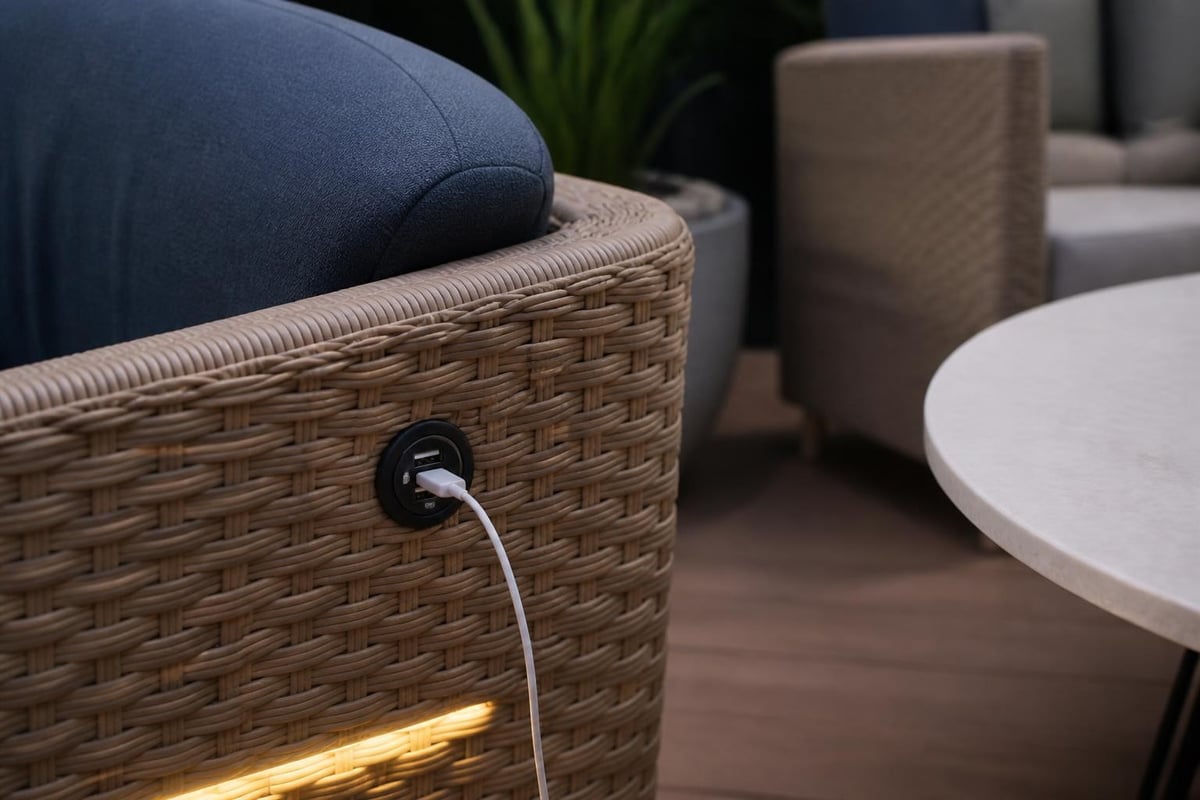
Forward-looking manufacturers incorporate charging stations, integrated lighting, and other technology features into outdoor armchair designs. While these additions create convenience, they introduce maintenance complexity and potential failure points that may not justify benefits in all hospitality contexts.
Properties targeting technology-focused demographics find that discrete USB charging ports in armrests enhance perceived value without overwhelming furniture aesthetics. Solar-powered integrated lighting serves wine country venues hosting evening events but requires careful specification to ensure weather resistance.
Regional Considerations for Western Cape Venues
Climate-Specific Performance Factors
Western Cape's Mediterranean climate presents specific challenges including intense summer UV exposure, winter rainfall, and coastal salt spray in maritime locations. Synthetic rattan formulated for European or American markets may not contain adequate UV stabilization for South African sun intensity.
Specifying furniture tested under similar climate conditions reduces risk of premature degradation. European manufacturers serving Mediterranean markets typically produce materials suitable for Western Cape applications. Asian manufacturers vary dramatically in UV stabilization quality despite similar appearance.
Local Restoration Resource Advantages
Access to skilled restoration professionals provides Western Cape hospitality venues with significant advantages over properties in regions lacking specialized services. The ability to restore rather than replace furniture reduces dependence on international supply chains subject to shipping delays and currency fluctuations.
Developing relationships with local restoration specialists creates partnerships that support long-term furniture management strategies. Regular professional inspections identify emerging issues before they require extensive interventions, optimizing maintenance budgets.
Style Preferences Among Regional Guest Demographics
Wine estate visitors and luxury lodge guests in the Western Cape typically appreciate natural aesthetics that complement surrounding landscapes. Synthetic rattan furniture succeeds in these contexts by providing texture and warmth while avoiding maintenance challenges of natural materials.
Color selections should reference regional architecture and natural environments. Earth tones harmonize with Cape Dutch buildings and vineyard settings, while coastal properties benefit from lighter palettes reflecting maritime influences.
Investment Protection Through Documentation
Establishing Furniture Inventories
Professional hospitality management requires detailed furniture inventories documenting purchase dates, costs, maintenance history, and current condition assessments. This documentation supports informed replacement decisions and warranty claims when applicable.
Photographic records create baseline condition references that track degradation patterns over time. Annual condition assessments identify pieces requiring intervention before damage progresses beyond economical restoration.
Developing Replacement Cycles
Strategic replacement planning prevents situations where entire furniture collections require simultaneous replacement. Staggered replacement cycles spread capital expenditures across multiple budget years while maintaining consistent guest experience.
High-traffic areas naturally experience accelerated wear requiring more frequent attention. Rotating pieces between high and moderate-use locations equalizes wear patterns and extends average furniture lifespan across the entire property.
Selecting and maintaining outdoor synthetic rattan armchairs for hospitality environments requires balancing initial investment against long-term performance, aesthetic appeal against practical durability, and replacement costs against restoration opportunities. When your venue's furniture reaches the point where guest-facing appearance no longer meets standards but structural integrity remains sound, professional restoration delivers cost-effective renewal that extends service life significantly. Rattan Furniture Restoration brings specialized expertise in reweaving and refurbishing synthetic rattan furniture for hotels, guesthouses, wine farms, and luxury properties throughout the Western Cape, ensuring your outdoor spaces maintain the welcoming atmosphere that guests expect and your investment deserves.