
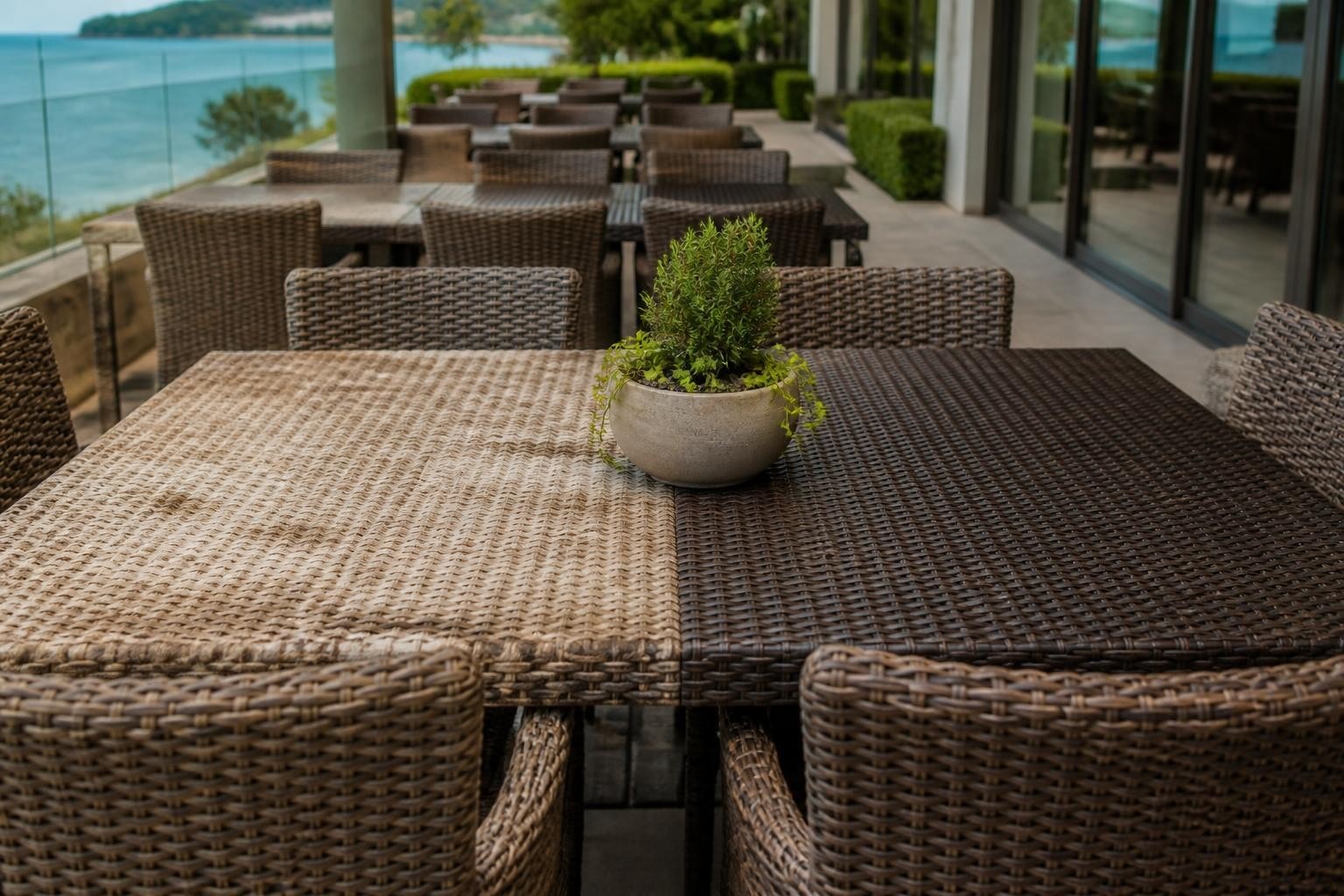
Outdoor table rattan furniture has become a cornerstone of hospitality design across hotels, wine estates, guesthouses, and luxury residential properties throughout the Western Cape and beyond. These pieces combine aesthetic appeal with functional durability, creating inviting spaces where guests gather for dining, conversation, and relaxation. However, the constant exposure to sun, wind, rain, and daily use takes its toll on even the highest-quality synthetic rattan pieces. Understanding how to maintain, restore, and maximize the lifespan of your outdoor table rattan investments ensures your property maintains its premium appearance while controlling replacement costs.
Why Hospitality Venues Choose Outdoor Table Rattan
Durability Meets Design Excellence
Synthetic rattan has revolutionized outdoor furniture for commercial properties. Unlike natural materials, high-quality synthetic rattan withstands the harsh UV exposure, temperature fluctuations, and moisture that characterize outdoor environments. Hospitality managers select outdoor table rattan specifically because these pieces deliver consistent performance across seasons.
The material resists:
- UV degradation when properly maintained
- Moisture absorption that causes warping
- Temperature extremes without cracking
- Heavy daily use in commercial settings
- Mold and mildew growth common in humid climates
Aesthetic Versatility for Every Property Type
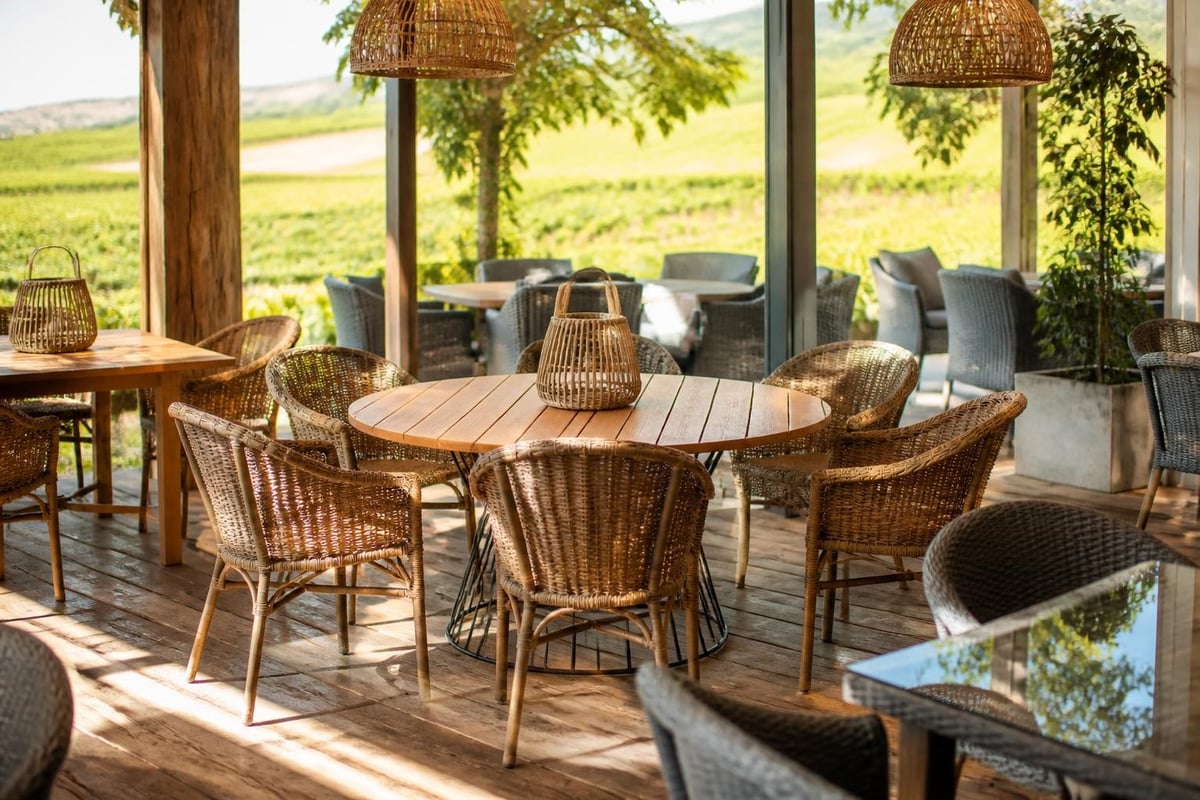
Contemporary wine estates, traditional guesthouses, and modern boutique hotels all incorporate outdoor table rattan into their design schemes. The material's natural texture complements multiple architectural styles while providing the refined appearance guests expect from premium venues.
Understanding Synthetic Rattan Construction Quality
Frame and Weave Integration
Premium outdoor table rattan pieces feature aluminum or powder-coated steel frames that provide structural integrity. The synthetic rattan weave wraps these frames in patterns ranging from tight, formal weaves to looser, more casual styles. Quality construction ensures the weave stays taut and properly tensioned even after years of use.
| Construction Element | Premium Quality | Standard Quality |
|---|---|---|
| Frame Material | Powder-coated aluminum | Standard steel |
| Weave Thickness | 1.2-1.5mm | 0.8-1.0mm |
| UV Stabilizers | High concentration | Minimal additives |
| Weave Tension | Hand-tightened | Machine-set |
| Expected Lifespan | 8-12 years | 3-5 years |
Recognizing Quality Before Purchase
When investing in outdoor table rattan for hospitality applications, inspect several key indicators. The weave should feel firm and springy, not brittle. High-quality pieces maintain consistent color throughout the strands rather than showing pale cores when bent. The connection points where rattan meets the frame should be secure and precisely finished.
Maintenance Protocols for Commercial Settings
Daily and Weekly Care Routines
Hospitality properties require systematic maintenance to keep outdoor table rattan looking guest-ready. Implementing structured cleaning protocols prevents the accumulation of damage that leads to premature restoration needs. Regular maintenance practices extend furniture lifespan significantly.
Daily tasks include:
- Wiping down surfaces after meals
- Removing debris from weave crevices
- Checking for loose strands
- Repositioning furniture away from standing water
Weekly protocols involve:
- Thorough cleaning with mild soap solution
- Inspecting all connection points
- Tightening any loosened weave sections
- Applying UV protectant sprays during high-sun months
Seasonal Deep Cleaning Strategies
Quarterly deep cleaning addresses issues that daily maintenance cannot prevent. This involves removing cushions, thoroughly washing all surfaces, and examining the outdoor table rattan structure for stress points. Properties in coastal areas should increase this frequency due to salt air exposure.
Professional-grade cleaners designed for synthetic rattan remove embedded dirt without damaging the material's UV-protective coating. Avoid harsh chemicals, pressure washers, or abrasive scrubbing tools that compromise the weave integrity. Proper cleaning techniques preserve both appearance and structural soundness.
Common Damage Patterns in Hospitality Environments
Sun Exposure and Fading
The Western Cape's intense sunlight represents the primary challenge for outdoor table rattan. UV radiation breaks down the polymer chains in synthetic rattan, causing fading, brittleness, and eventual cracking. North-facing placements receive the most damaging exposure, showing deterioration faster than shaded locations.
Fading typically begins:
- Along top surfaces and armrests
- On south-facing sides in the Southern Hemisphere
- At connection points where weave tension is highest
- Around stress points from repeated guest use
Physical Wear from Guest Interaction
Commercial outdoor table rattan experiences significantly more stress than residential pieces. Chairs slide across paving, guests lean heavily on table edges, and items get dragged across surfaces. This constant friction wears the weave, creating thin spots that eventually require professional attention.
When Restoration Becomes Necessary
Identifying Restoration Candidates
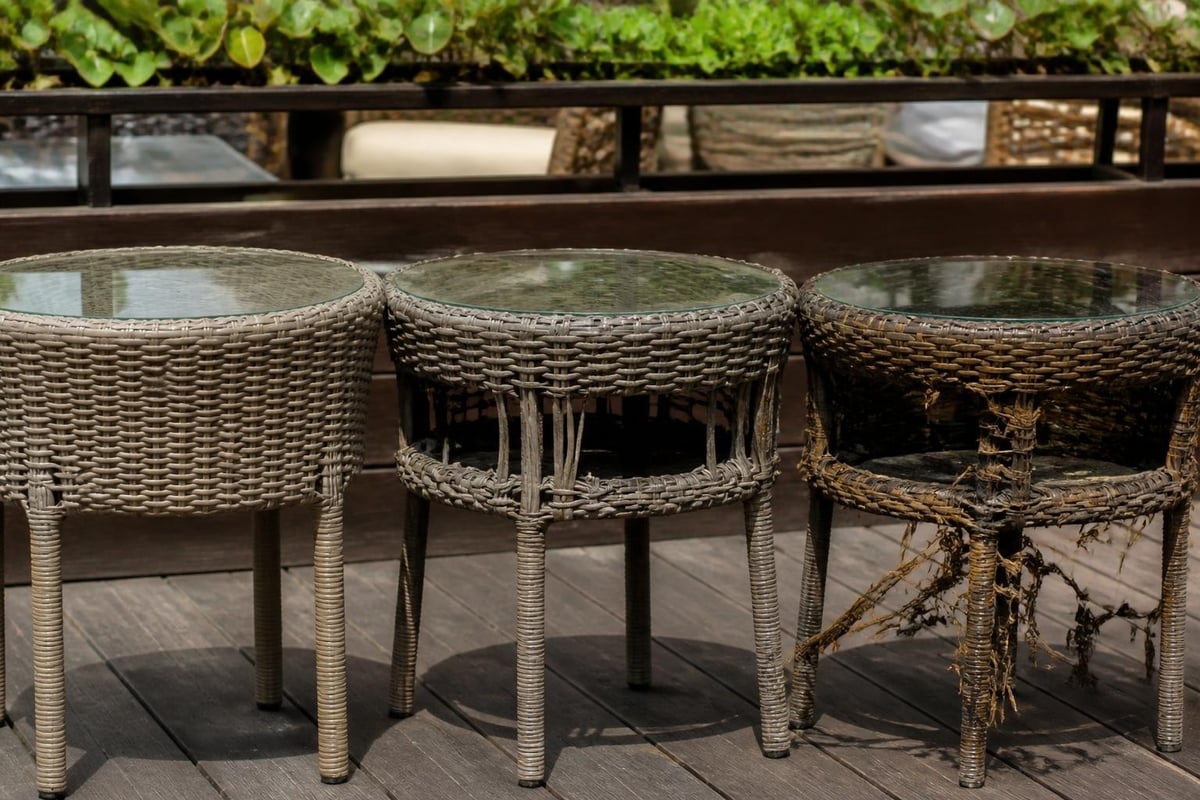
Not all damage requires complete replacement. Understanding when outdoor table rattan can be effectively restored versus when replacement makes financial sense is crucial for property managers. Minor fading and isolated loose strands respond well to professional intervention.
Restoration makes sense when:
- Frames remain structurally sound
- Less than 30% of weave shows damage
- Pieces have sentimental or design value
- Budget constraints favor restoration over replacement
- Original quality justifies investment
Replacement is warranted when:
- Frame corrosion compromises stability
- Extensive weave failure affects 50% or more
- Structural damage poses safety concerns
- Restoration costs exceed 70% of replacement
The Professional Reweaving Process
Expert restoration transforms sun-faded, worn outdoor table rattan back to guest-ready condition. The process involves carefully removing damaged sections, preparing frames, and hand-weaving new synthetic rattan to match original patterns. Skilled artisans ensure proper tension and finish quality that rivals factory construction.
For hospitality venues managing multiple furniture pieces, Premium Synthetic Rattan Furniture Reweaving offers a cost-effective solution that extends furniture lifespan while maintaining the premium aesthetic guests expect. This approach delivers sustainability benefits while preserving capital budgets.
Color and Style Considerations for Properties
Matching Existing Design Schemes
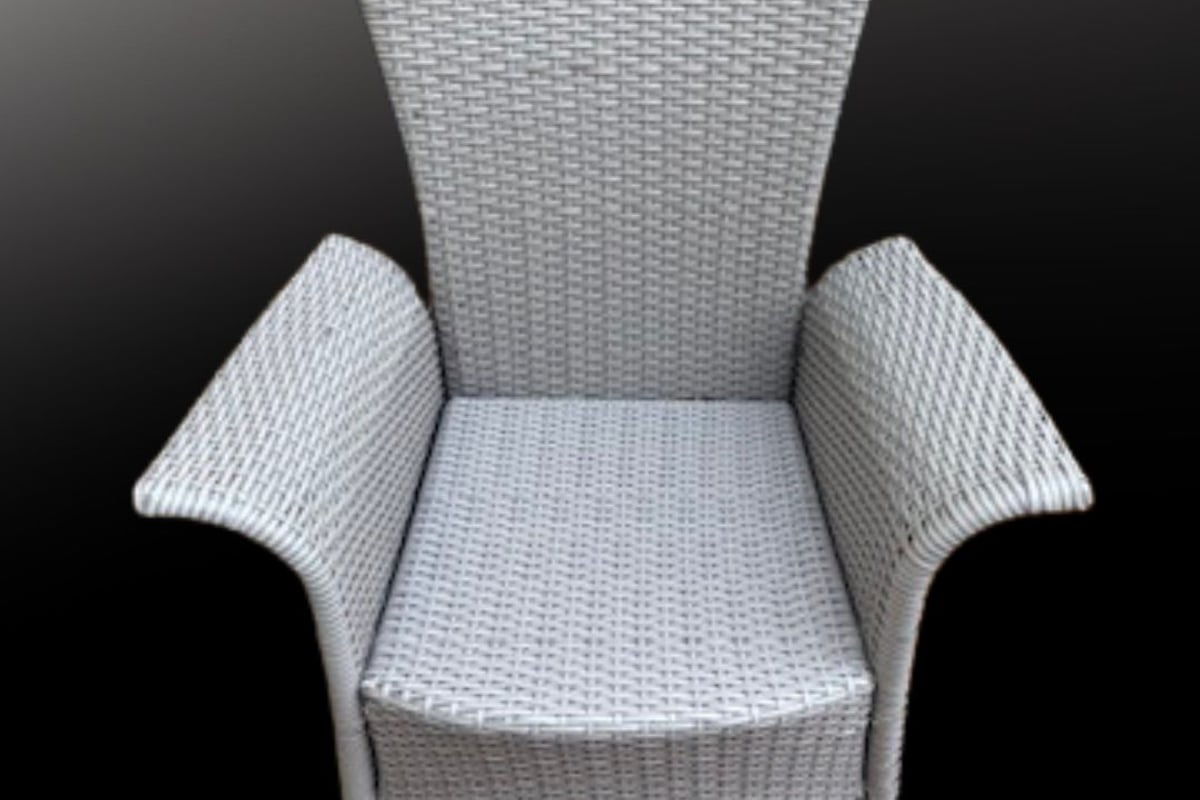
Wine estates often feature earth tones that complement vineyard landscapes, while coastal guesthouses might select lighter shades reflecting beach aesthetics. Modern synthetic rattan comes in dozens of colors, allowing outdoor table rattan to integrate seamlessly with existing property branding.
| Property Type | Popular Color Choices | Design Rationale |
|---|---|---|
| Wine Estates | Deep browns, charcoal, espresso | Natural, sophisticated, complements barrels |
| Beach Lodges | White, cream, light gray | Reflects heat, coastal aesthetic |
| Mountain Retreats | Natural tan, mixed weaves | Rustic appeal, blends with environment |
| Urban Hotels | Black, graphite, contemporary mixes | Modern edge, hides urban grime |
Mixing Weave Patterns and Textures
Contemporary hospitality design increasingly features mixed materials. Outdoor table rattan pairs beautifully with teak accents, glass tabletops, and metal details. Bohemian outdoor design trends showcase how rattan furniture creates relaxed, inviting atmospheres that encourage guests to linger.
Preventing Premature Deterioration
Strategic Placement and Coverage
Location dramatically affects outdoor table rattan longevity. Tables positioned under pergolas, umbrellas, or natural tree canopy last significantly longer than pieces in full sun exposure. When shade structures aren't feasible, rotate furniture positions quarterly to distribute UV exposure evenly.
Protection strategies include:
- Installing retractable awnings over dining areas
- Using UV-resistant table covers during off-hours
- Positioning pieces to minimize afternoon sun exposure
- Creating partial shade with strategically placed screens
- Rotating table locations seasonally
Environmental Factor Management
Coastal properties face salt air corrosion while inland venues deal with dust accumulation and extreme temperature swings. Understanding environmental challenges specific to your location allows targeted protection measures.
Properties near swimming pools should rinse outdoor table rattan weekly to remove chlorine residue. Wine estates during harvest season need increased cleaning to address grape juice and wine spills before they set into the weave.
Budget Planning for Furniture Lifecycle
Calculating True Ownership Costs
Initial purchase price represents only one component of outdoor table rattan investment. Hospitality financial planning should account for maintenance supplies, periodic professional restoration, and eventual replacement. Quality pieces with proper care deliver 8-12 years of service, while budget options often require replacement within 3-5 years.
Annual cost breakdown:
- Cleaning supplies and protectants: 2-3% of purchase price
- Professional deep cleaning: 5% of purchase price
- Minor repairs and touch-ups: 3-5% of purchase price
- Major restoration (years 5-7): 30-40% of purchase price
Restoration vs. Replacement Analysis
For a 10-table dining set originally costing $15,000, professional restoration around year six might run $4,500-6,000. This extends lifespan another 4-6 years at roughly 40% of replacement cost. The environmental benefits and waste reduction align with increasingly important sustainability messaging.
Customization Options for Unique Properties
Bespoke Sizing and Configurations
Standard outdoor table rattan comes in fixed dimensions that don't always suit unique hospitality spaces. Custom fabrication addresses irregular terrace shapes, specific seating capacities, and integrated design elements. Properties can specify exact table heights, widths, and weave patterns that reflect their brand identity. Exploring bespoke furniture options allows venues to create truly distinctive outdoor spaces.
Integrated Features for Enhanced Functionality
Modern outdoor table rattan incorporates built-in ice buckets, wine bottle holders, and cable management for outdoor heating elements. Hospitality-specific customizations include reinforced edges for trolley service, integrated lighting, and modular sections that reconfigure for different event types.
Staff Training for Furniture Care
Creating Maintenance Protocols
Housekeeping and maintenance staff directly impact outdoor table rattan longevity. Developing clear protocols with visual guides ensures consistent care across shifts and employee turnover. Training should cover proper cleaning techniques, damage identification, and escalation procedures for professional intervention.
Training modules should include:
- Correct cleaning product selection and dilution
- Technique demonstrations for crevice cleaning
- Damage assessment criteria
- Reporting procedures for repair needs
- Seasonal adjustment protocols
Empowering Staff Observation
Front-line staff members notice furniture degradation before management typically does. Implementing simple reporting systems where staff flag concerns extends outdoor table rattan lifespan by catching issues early. Monthly furniture inspections during team meetings keep awareness high.
Emerging Trends in Commercial Rattan Furniture
Sustainability and Circular Economy
The hospitality industry increasingly emphasizes environmental responsibility. Guests notice and appreciate properties that restore rather than discard furniture. Rattan's resurgence in modern design reflects broader consumer preference for natural aesthetics and sustainable materials.
Outdoor table rattan restoration supports circular economy principles by:
- Reducing landfill waste from discarded furniture
- Minimizing carbon footprint of new manufacturing
- Preserving embodied energy in existing pieces
- Supporting local craftsmanship and skills
- Demonstrating corporate environmental commitment
Technology Integration
Contemporary synthetic rattan incorporates advanced polymer technology that improves UV resistance, flexibility, and color retention. Some manufacturers now embed antimicrobial treatments into the material itself, addressing hygiene concerns in commercial dining applications. These innovations extend outdoor table rattan performance in demanding hospitality environments.
Regional Considerations for Western Cape Properties
Climate-Specific Challenges
The Western Cape's Mediterranean climate creates distinct challenges for outdoor table rattan. Hot, dry summers with intense UV exposure alternate with wet winters bringing sustained moisture. Properties must adapt maintenance schedules to these seasonal extremes rather than following generic care guidelines.
Summer priorities focus on UV protection and heat management, while winter emphasizes moisture control and mold prevention. Furniture positioned in full coastal exposure requires more frequent intervention than pieces in sheltered courtyard locations.
Local Restoration Resources
Access to skilled restoration professionals significantly impacts furniture lifecycle management. Properties benefit from establishing relationships with specialized providers who understand regional climate challenges and can respond quickly during peak seasons. Maintaining updated information through resources like the Rattan Furniture Restoration blog keeps property managers informed about best practices.
Material Selection for Different Table Functions
Dining Tables vs. Cocktail Tables
Outdoor table rattan specifications should match intended use. Dining tables endure plate impacts, wine spills, and concentrated weight from serving dishes. Cocktail tables in lounge areas face different stresses from drink condensation, constant glass movement, and decorative arrangements.
Dining applications benefit from:
- Tighter weave patterns that resist food debris
- Darker colors that camouflage inevitable staining
- Reinforced edges for plate stability
- Easy-clean surface treatments
Bar Height vs. Standard Height Considerations
Bar-height outdoor table rattan pieces create dynamic social spaces but experience different wear patterns. Guests lean more heavily on elevated surfaces, and the increased exposed weave area on taller frames shows sun damage faster. Regular inspection of bar-height pieces should occur more frequently than standard dining sets.
Outdoor table rattan represents a significant investment for hospitality properties, but proper maintenance and timely restoration extend these pieces far beyond typical expectations. By implementing structured care protocols, training staff effectively, and partnering with skilled restoration specialists, venues protect their furniture investment while maintaining the premium aesthetic that guests expect. When your property's outdoor table rattan shows signs of wear, Rattan Furniture Restoration delivers expert reweaving services that transform sun-faded, worn pieces back to guest-ready condition, offering a sustainable and cost-effective alternative to replacement throughout the Western Cape.