
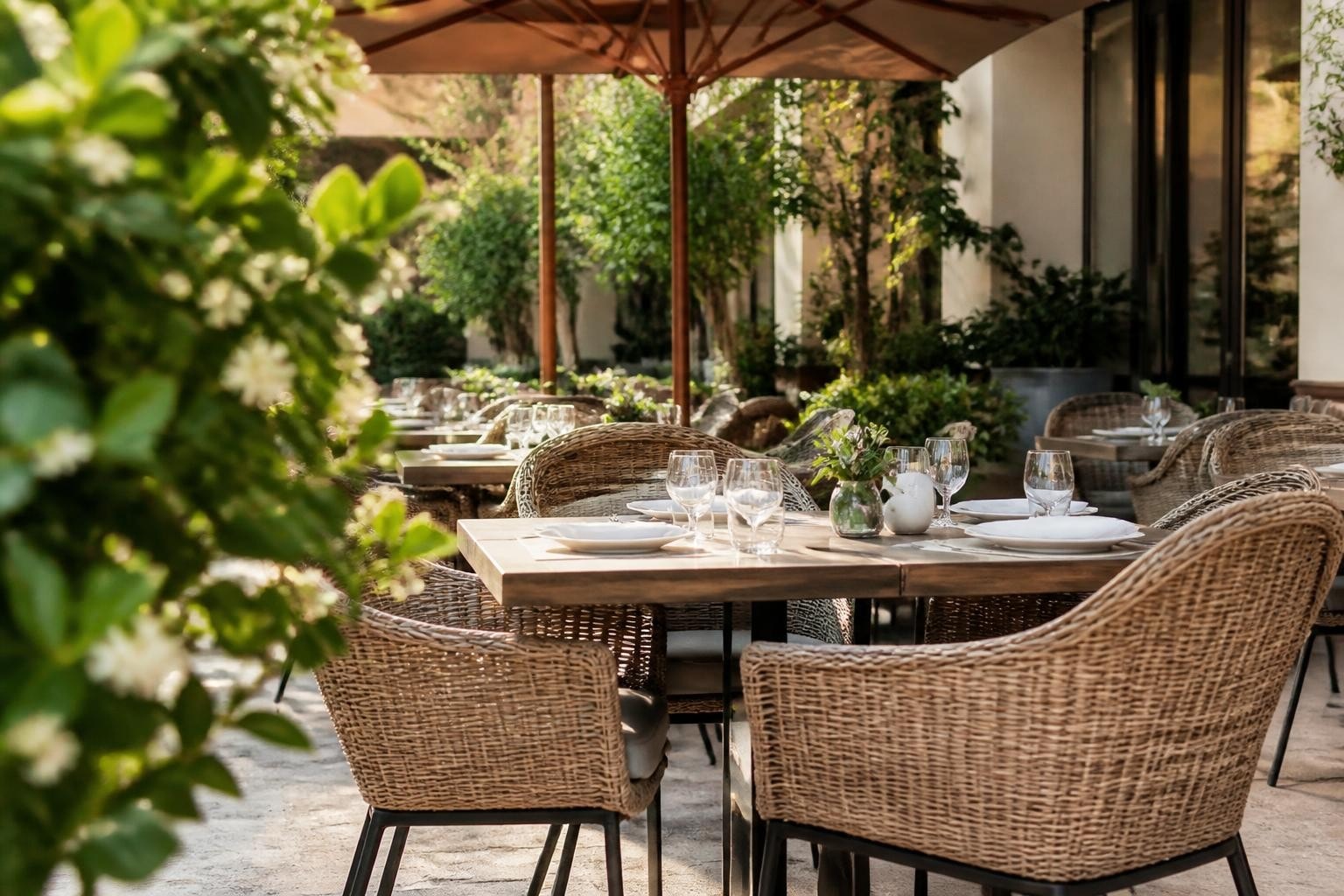
The outdoor dining and lounging experience defines many hospitality venues, from boutique guesthouses to expansive wine estates across the Western Cape. A well-chosen garden table and rattan chairs create inviting spaces where guests linger over breakfast, enjoy afternoon wine tastings, or gather for evening meals. For hospitality owners and property managers, these pieces represent more than furniture-they're an investment in guest experience, brand perception, and long-term operational efficiency.
Understanding Synthetic Rattan for Commercial Outdoor Settings
Synthetic rattan has transformed the hospitality furniture landscape since its introduction, offering durability that natural materials simply cannot match in high-traffic environments. Modern polyethylene rattan withstands UV exposure, moisture, and temperature fluctuations while maintaining its aesthetic appeal season after season.
Material Composition and Performance Benefits
Today's synthetic rattan furniture utilizes high-density polyethylene (HDPE) strands woven over powder-coated aluminum or steel frames. This construction delivers exceptional performance characteristics:
- UV resistance prevents fading and brittleness even under intense summer sun
- Weather impermeability eliminates moisture absorption and mold growth
- Temperature stability maintains structural integrity from winter lows to summer highs
- Easy maintenance requires only basic cleaning without special treatments
- Color consistency preserves original appearance for years
The engineering behind quality synthetic rattan ensures your garden table and rattan chairs remain guest-ready through countless service cycles. Unlike natural materials, synthetic options don't crack, split, or require seasonal storage.
Selecting Appropriate Weave Patterns
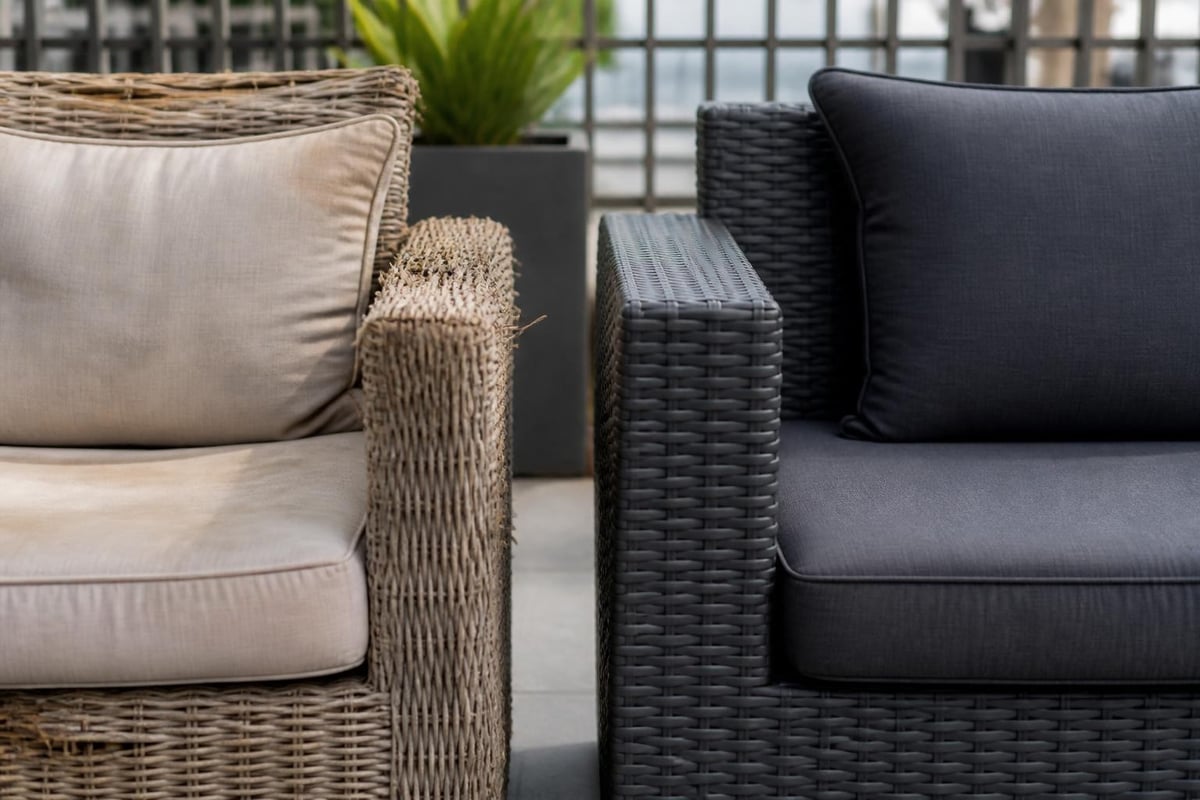
Weave density and pattern significantly impact both aesthetics and longevity. Tight weaves create a more formal appearance while offering enhanced durability, making them ideal for high-traffic dining areas. Open weaves provide visual interest and allow water drainage but may show wear more quickly in commercial settings.
Hospitality venues should prioritize tighter weaves for pieces receiving constant use. The investment in denser weaving pays dividends through extended service life and reduced maintenance requirements.
Design Considerations for Hospitality Environments
Choosing the right garden table and rattan chairs requires careful assessment of your venue's specific needs, guest demographics, and operational constraints. The curved garden seating trend gaining momentum in 2026 demonstrates how design choices influence guest behavior and space utilization.
Sizing Tables for Guest Capacity
Proper table sizing ensures comfortable dining experiences while maximizing seating capacity. Standard dimensions for hospitality applications include:
| Table Shape | Dimensions | Seating Capacity | Best Use Case |
|---|---|---|---|
| Round | 120cm diameter | 4 guests | Intimate conversations |
| Round | 150cm diameter | 6-8 guests | Family gatherings |
| Rectangular | 180cm x 90cm | 6-8 guests | Formal dining |
| Rectangular | 240cm x 100cm | 8-10 guests | Large groups |
| Square | 90cm x 90cm | 4 guests | Compact spaces |
Your venue's typical party size should guide table selection. Wine estates hosting group tastings benefit from larger rectangular configurations, while guesthouses serving couples might prioritize smaller round tables.
Chair Comfort and Guest Experience
Rattan chair design directly impacts how long guests remain seated and their overall satisfaction. Key comfort factors include:
- Seat depth between 45-50cm for proper thigh support
- Back height of 85-95cm for lumbar support during extended meals
- Armrest height coordinating with table surface (typically 18-23cm below)
- Cushion thickness of 5-8cm in outdoor-rated fabrics
Testing chairs yourself provides invaluable insight. Sit for 20-30 minutes to assess comfort levels your guests will experience during full-service meals.
Maintenance Strategies for Commercial Furniture
Even the highest-quality garden table and rattan chairs require systematic maintenance to preserve their appearance and functionality. Hospitality operations demand proactive care rather than reactive repairs.
Daily and Weekly Cleaning Protocols
Implement these routine maintenance steps to extend furniture life:
- Daily inspection: Check for loose strands, structural issues, or damage before service
- Debris removal: Clear leaves, food particles, and standing water after each service period
- Spot cleaning: Address spills immediately with mild soap and water
- Weekly washing: Use soft brushes with gentle detergent solutions
- Rinse thoroughly: Remove all soap residue to prevent buildup
- Air drying: Allow complete drying before stacking or covering
Consistent cleaning prevents minor issues from escalating into costly repairs. Staff training ensures everyone understands proper techniques and products.
Seasonal Deep Maintenance
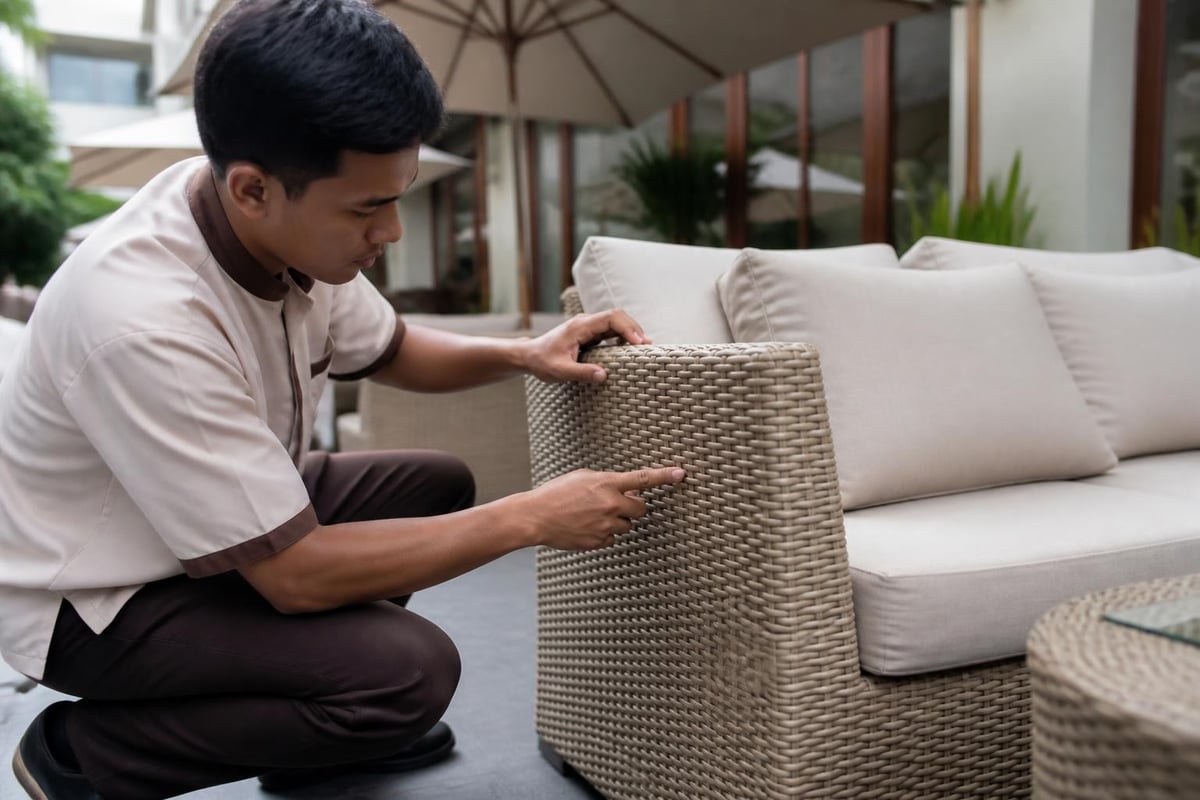
Quarterly deep maintenance sessions address wear patterns invisible during daily operations:
- Inspect weaving integrity at stress points (armrests, seat edges, back corners)
- Tighten frame connections and replace worn hardware
- Apply protective treatments if recommended by manufacturer
- Rotate furniture positions to distribute wear evenly
- Document condition with photos for tracking degradation patterns
This systematic approach, detailed in comprehensive guides on caring for rattan garden furniture, helps predict when restoration becomes necessary.
Restoration vs. Replacement Economics
Hospitality operators face critical decisions when garden table and rattan chairs show wear. The financial and environmental calculus has shifted dramatically as restoration capabilities have advanced.
Cost Comparison Analysis
Consider this breakdown for a typical 10-table outdoor dining area:
| Scenario | Initial Cost | Lifespan | Annual Cost | Environmental Impact |
|---|---|---|---|---|
| New furniture every 5 years | R120,000 | 5 years | R24,000 | High waste |
| Professional restoration every 3 years | R45,000 initial + R15,000 restoration | 10+ years | R9,000 | Low waste |
| Continuous replacement of damaged pieces | R150,000 over 5 years | Variable | R30,000 | Very high waste |
Professional restoration typically costs 30-40% of replacement while extending furniture life by 5-7 years. For hospitality venues managing dozens of pieces, these savings compound significantly.
Identifying Restoration Candidates
Not every worn piece warrants restoration. Evaluate furniture using these criteria:
Strong restoration candidates:
- Structurally sound frames with cosmetic weaving damage
- Premium original furniture with replacement costs exceeding R8,000
- Matching sets where individual piece replacement creates aesthetic inconsistency
- Pieces with sentimental or brand history value
Better replaced:
- Compromised frames with rust, cracks, or instability
- Budget-tier furniture where restoration costs approach replacement
- Severely UV-damaged pieces requiring complete reweaving
- Items with outdated dimensions no longer serving operational needs
When high-quality garden table and rattan chairs show primarily surface wear, restoration delivers exceptional value. Premium Synthetic Rattan Furniture Reweaving services can transform sun-faded, worn pieces back to their original guest-ready condition, offering a sustainable alternative to disposal.
Styling Outdoor Dining Spaces
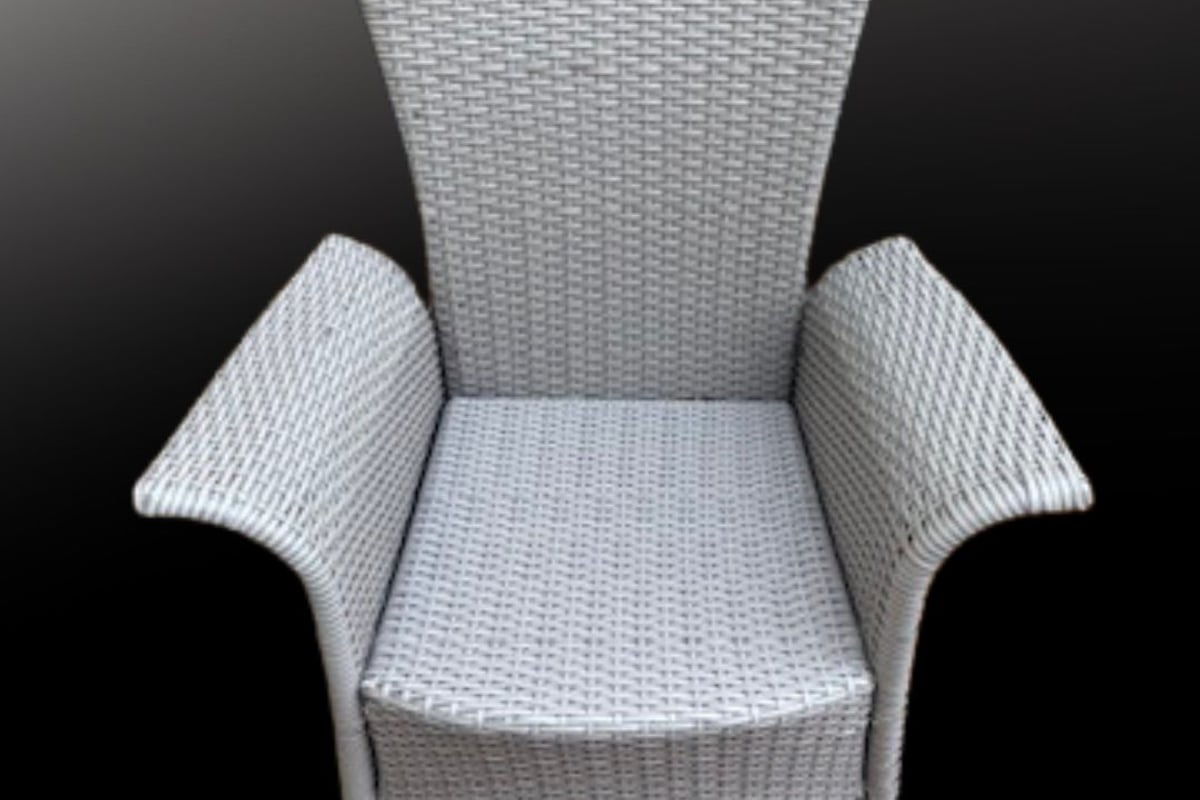
The visual presentation of your garden table and rattan chairs contributes substantially to guest perceptions and social media appeal. Contemporary hospitality design emphasizes cohesive outdoor environments that extend interior aesthetic values.
Color Palette Selection
Synthetic rattan furniture now comes in diverse color options beyond traditional brown tones. Strategic color choices reinforce brand identity:
- Neutral grays and taupes: Project sophisticated elegance for upscale venues
- Classic browns: Convey traditional warmth for wine estates and country lodges
- Charcoal blacks: Create dramatic contrast in modern boutique settings
- Warm chestnuts: Complement natural wood elements in rustic environments
The top garden furniture trends for 2026 highlight how bold color choices are gaining acceptance even in conservative hospitality markets.
Accessorizing for Maximum Impact
Transform functional furniture into Instagram-worthy settings through thoughtful accessorizing:
- Cushions and pillows: Introduce pattern, color, and seasonal variety
- Table runners: Define formal dining while protecting surfaces
- Centerpieces: Incorporate local flowers, candles, or branded elements
- Ambient lighting: String lights, lanterns, or table lamps extend service hours
- Shade solutions: Umbrellas or pergolas protect furniture and guests
Accessories provide flexibility to refresh your outdoor spaces without furniture replacement. Seasonal updates keep regular guests engaged while maintaining core furniture investments.
Frame Quality and Structural Longevity
While synthetic rattan weaving captures attention, the underlying frame determines true furniture lifespan. Hospitality-grade pieces demand commercial construction standards far exceeding residential specifications.
Material Options and Performance
Three primary frame materials dominate the commercial market:
Aluminum frames offer the best corrosion resistance in coastal environments, lightweight handling for staff, and excellent strength-to-weight ratios. Premium venues near ocean areas should prioritize aluminum construction.
Powder-coated steel frames provide maximum strength for high-traffic areas, superior stability for larger pieces, and cost advantages over aluminum. Proper powder coating prevents rust in most climates.
Stainless steel frames deliver ultimate durability for extreme environments, permanent corrosion resistance, and prestige positioning but command significant price premiums.
Your venue's location, budget, and positioning determine optimal frame selection. Coastal properties justify aluminum or stainless steel investments, while inland venues achieve excellent results with quality powder-coated steel.
Construction Details That Matter
Examine these critical construction elements before purchasing:
- Welded joints (stronger) versus bolted connections (serviceable)
- Frame tubing wall thickness (minimum 1.2mm for commercial use)
- Weaving attachment methodology (through-frame versus surface clips)
- Foot protection (adjustable glides versus fixed caps)
- Weight capacity ratings (minimum 150kg per seat for hospitality)
Quality manufacturers provide detailed specifications for these elements. Vague or absent technical information signals lower-grade construction unsuitable for commercial deployment.
Space Planning for Outdoor Dining Areas
Strategic furniture placement maximizes revenue potential while ensuring comfortable guest experiences. The garden table and rattan chairs you select must align with your space configuration and service flow.
Traffic Flow Optimization
Allow adequate clearance for efficient service:
- Main aisles: Minimum 120cm for server passage with trays
- Between tables: 75-90cm for guest movement and chair pullout
- Perimeter clearance: 60cm from walls or railings
- Emergency access: Maintain clear paths to exits per safety codes
Tight spacing increases theoretical capacity but slows service and diminishes guest comfort. Calculate your optimal configuration using actual furniture dimensions plus required clearances.
Creating Distinct Zones
Differentiate areas within larger outdoor spaces using furniture arrangement:
- Intimate two-tops near gardens or water features for romantic dining
- Larger communal tables in central areas for groups and social interaction
- Bar-height tables with taller chairs for casual wine tastings
- Lounge configurations with lower tables for afternoon relaxation
This zoning approach, inspired by professional garden seating ideas, accommodates diverse guest preferences within a single venue.
Staff Training and Furniture Care
Your team's daily interactions with garden table and rattan chairs significantly impact longevity. Comprehensive training prevents damage from improper handling and cleaning.
Handling Best Practices
Train staff on these essential techniques:
- Lift chairs by frames, never by armrests or woven sections
- Stack chairs only when designed for stacking (maximum 4-6 high)
- Drag tables on protective glides, not by pulling rattan edges
- Secure lightweight pieces during windy conditions
- Report damage immediately rather than attempting DIY repairs
Create photo-illustrated guides for new hires showing correct and incorrect handling methods. Regular refresher training reinforces proper practices.
Approved Cleaning Products
Maintain a restricted list of cleaning products appropriate for synthetic rattan:
Approved:
- Mild dish soap (pH neutral)
- Purpose-formulated rattan cleaners
- White vinegar solutions (10% concentration)
- Soft-bristle brushes and microfiber cloths
Prohibited:
- Bleach or chlorine-based products
- Abrasive cleaners or scouring pads
- High-pressure washers above 1500 PSI
- Solvent-based cleaners
- Steam cleaners above 60°C
Post these lists in housekeeping areas and include them in standard operating procedures. Improper products cause irreversible damage to synthetic rattan finishes.
Integrating Rattan Into Broader Design Themes
Contemporary hospitality design increasingly features rattan decorating ideas that bridge indoor and outdoor environments. Your garden table and rattan chairs should complement interior aesthetics rather than exist in isolation.
Coordinating Indoor-Outdoor Transitions
Create visual continuity through deliberate design choices:
- Echo interior rattan accents (light fixtures, mirrors, wall panels) in outdoor furniture
- Match or complement outdoor furniture cushion fabrics to interior textiles
- Use consistent color palettes across both environments
- Transition materials gradually through covered patios or verandas
This cohesive approach, exemplified by celebrity outdoor spaces, elevates perceived quality and demonstrates design sophistication.
Mixing Materials Thoughtfully
Pure rattan spaces can feel monotonous. Introduce complementary materials strategically:
- Natural wood tabletops with rattan bases
- Metal accents in lighting or decorative elements
- Stone or concrete flooring as textural contrast
- Glass table inserts for formal dining areas
- Fabric canopies adding softness overhead
The key lies in maintaining rattan as the dominant material (60-70% of visual mass) while supporting elements provide variety without competition.
Addressing Common Hospitality Challenges
Commercial outdoor dining presents unique challenges that residential settings never encounter. Your garden table and rattan chairs must perform under conditions that would quickly destroy lesser furniture.
Managing High Guest Turnover
Restaurants and guesthouses serving hundreds of guests monthly face accelerated wear:
- Implement furniture rotation schedules moving pieces between high and low-traffic areas
- Maintain spare inventory (10-15% of total pieces) for immediate replacement during repairs
- Document condition monthly to predict failure points before they occur
- Establish relationships with professional restoration services for rapid turnaround
Proactive management prevents the guest experience degradation that occurs when worn furniture remains in service.
Weather Protection Strategies
South African weather varies dramatically across regions and seasons. Develop protection protocols appropriate to your microclimate:
For coastal areas:
- Rinse furniture weekly to remove salt accumulation
- Apply UV protectant treatments every 6 months
- Store or cover during severe weather warnings
- Inspect metal components monthly for corrosion
For inland high-UV areas:
- Position furniture under shade structures when possible
- Use fade-resistant cushion fabrics rated for continuous sun exposure
- Increase cleaning frequency during dusty seasons
- Monitor for brittleness indicating UV degradation
Customized protection extends furniture life far beyond manufacturer estimates.
Future Trends Shaping Outdoor Hospitality Furniture
The hospitality furniture landscape continues evolving as guest expectations and environmental awareness increase. Understanding emerging trends helps you make forward-looking investments in garden table and rattan chairs.
Sustainability and Circular Economy
Guests increasingly value environmental responsibility:
- Furniture restoration reducing waste appeals to eco-conscious travelers
- Recycled HDPE rattan entering the commercial market
- Take-back programs from manufacturers gaining traction
- Carbon footprint labeling becoming expected on commercial furniture
Venues demonstrating commitment to furniture longevity through professional restoration gain marketing advantages in competitive markets. Share restoration stories through social media and property materials to connect with environmentally-aware guests.
Technology Integration
Smart features are reaching outdoor furniture:
- Integrated wireless charging in tabletops for device-dependent guests
- LED lighting built into frames for ambiance and safety
- Weather sensors triggering automated furniture protection
- RFID tags for inventory management in large properties
While adoption remains early in 2026, forward-thinking venues should monitor these developments for competitive differentiation opportunities.
Modular and Flexible Configurations
The 25 rattan chair designs emerging in contemporary collections emphasize adaptability:
- Sectional seating configurable for groups of varying sizes
- Tables with removable sections adjusting from 4-seat to 8-seat
- Stackable designs for seasonal capacity changes
- Interchangeable components allowing style updates without full replacement
This flexibility particularly benefits venues with seasonal demand fluctuations or event hosting capabilities.
Selecting and maintaining the right garden table and rattan chairs transforms outdoor spaces into revenue-generating assets that enhance guest experiences and strengthen your venue's market position. When your hospitality furniture shows wear from seasons of service, professional restoration offers a cost-effective, sustainable path forward. Rattan Furniture Restoration specializes in returning synthetic rattan furniture to guest-ready condition for hotels, guesthouses, wine estates, and lodges across the Western Cape, helping hospitality professionals maximize their furniture investments while minimizing environmental impact.