
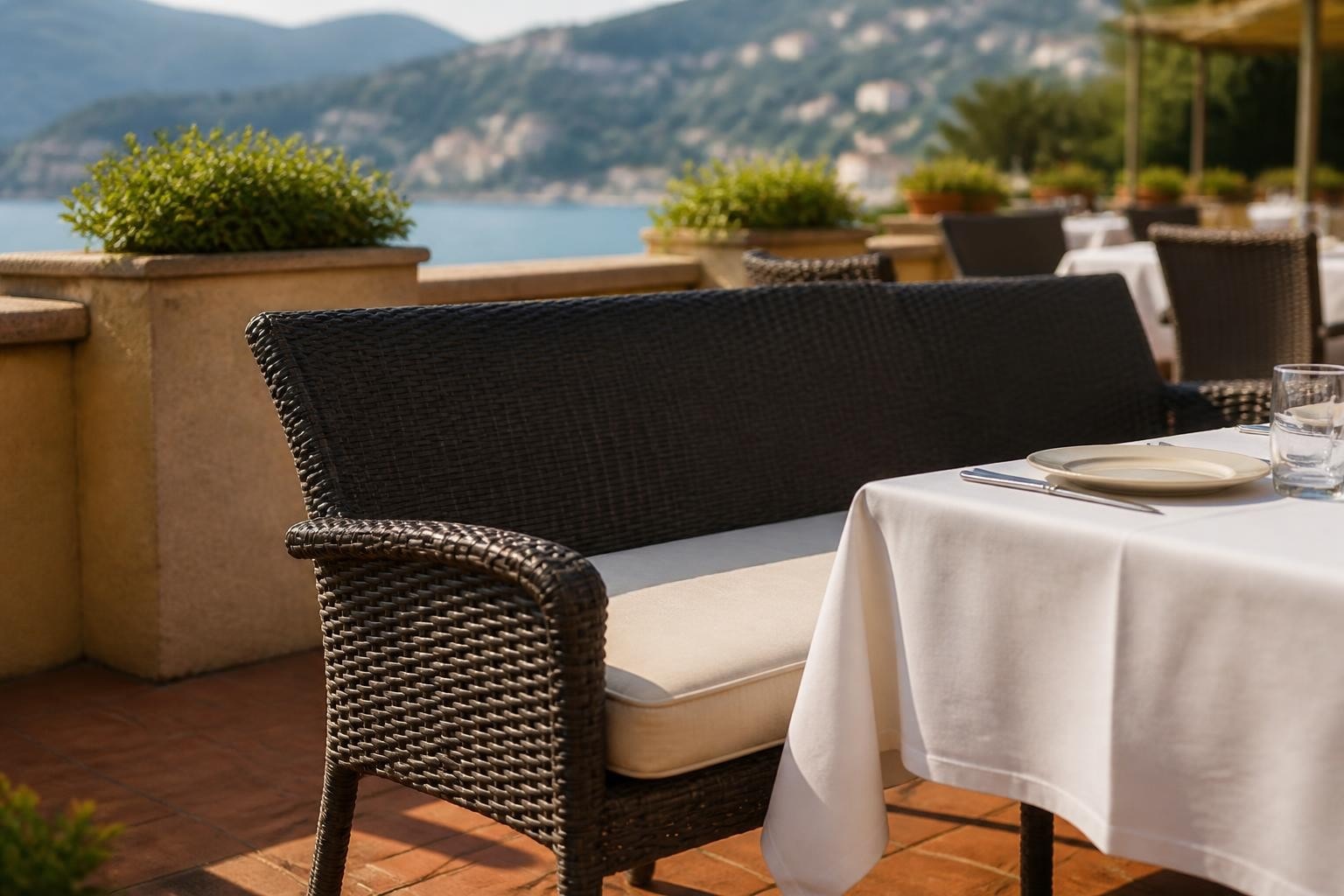
Garden benches rattan have become a cornerstone of outdoor furniture design for hospitality venues and high-end residential properties throughout the Western Cape and beyond. These versatile pieces combine aesthetic appeal with exceptional durability, making them ideal for wine farms, lodges, boutique hotels, and luxury estates. Unlike traditional materials that deteriorate quickly under harsh South African weather conditions, synthetic rattan garden benches offer a perfect balance of sophistication and resilience. The evolution of synthetic rattan technology has transformed outdoor seating from a seasonal consideration to a year-round investment that maintains its beauty and structural integrity.
Understanding Synthetic Rattan Construction
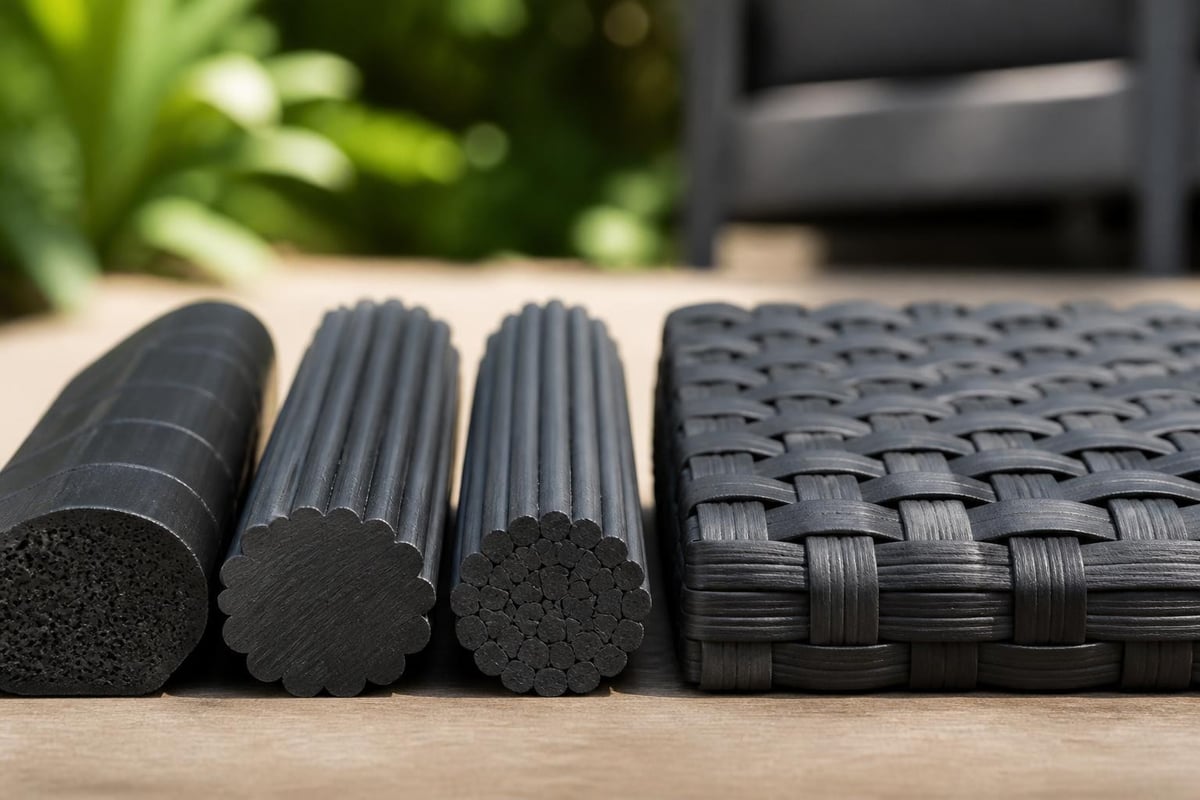
Modern garden benches rattan are manufactured using high-density polyethylene (HDPE) materials woven over powder-coated aluminum or steel frames. This construction method provides superior strength compared to natural alternatives while eliminating the vulnerability to moisture, UV radiation, and temperature fluctuations.
Material Composition and Quality Indicators
The quality of synthetic rattan furniture depends on several critical factors:
- UV stabilization rating determines fade resistance over time
- Strand thickness affects overall durability and visual texture
- Weave density impacts both comfort and structural longevity
- Frame material influences weight capacity and corrosion resistance
- Connection points reveal manufacturing precision and stability
Premium garden benches rattan feature strands with UV inhibitors embedded throughout the material, not just surface-applied coatings. This ensures consistent color retention even after years of direct sunlight exposure. The history of rattan garden furniture shows how modern synthetic versions have improved upon traditional designs.
Frame Engineering for Commercial Use
Commercial-grade garden benches rattan require robust frame construction to withstand frequent use in hospitality environments. Aluminum frames provide excellent corrosion resistance in coastal areas while maintaining lightweight portability. Steel frames offer superior weight capacity for high-traffic areas but require proper powder coating to prevent rust.
| Frame Material | Weight Capacity | Corrosion Resistance | Lifespan (Years) |
|---|---|---|---|
| Aluminum | 180-220 kg | Excellent | 15-20 |
| Steel | 250-300 kg | Good (coated) | 12-18 |
| Stainless Steel | 300+ kg | Superior | 20+ |
Design Variations and Style Applications
Garden benches rattan come in numerous configurations suited to different hospitality settings and residential landscapes. Understanding these variations helps property managers and homeowners select pieces that complement their existing aesthetic while meeting functional requirements.
Contemporary Minimalist Designs
Sleek, low-profile garden benches rattan work exceptionally well in modern hospitality settings where clean lines and understated elegance define the space. These designs typically feature:
- Streamlined frames with minimal ornamentation
- Monochromatic color schemes in charcoal, espresso, or pearl
- Integrated cushion systems for seamless visual flow
- Geometric weave patterns that create subtle texture
- Modular components allowing flexible arrangements
The minimalist approach to garden bench design continues gaining popularity among boutique hotels and contemporary wine estates.
Traditional and Colonial Influences
For properties emphasizing heritage or classic elegance, garden benches rattan with traditional design elements create timeless outdoor spaces. These pieces incorporate curved armrests, decorative backrest patterns, and natural color tones that evoke traditional craftsmanship while delivering modern durability.
Properties throughout the Western Cape often showcase these styles in courtyard settings, veranda spaces, and formal gardens where they complement historic architecture without sacrificing weather resistance.
Maintenance Requirements for Hospitality Settings
Professional maintenance protocols ensure garden benches rattan remain guest-ready throughout their service life. Hospitality venues require systematic cleaning schedules and preventive care strategies different from residential applications.
Daily and Weekly Maintenance Protocols
High-traffic hospitality venues should implement routine maintenance procedures:
- Daily inspection for loose cushions, debris accumulation, and visible damage
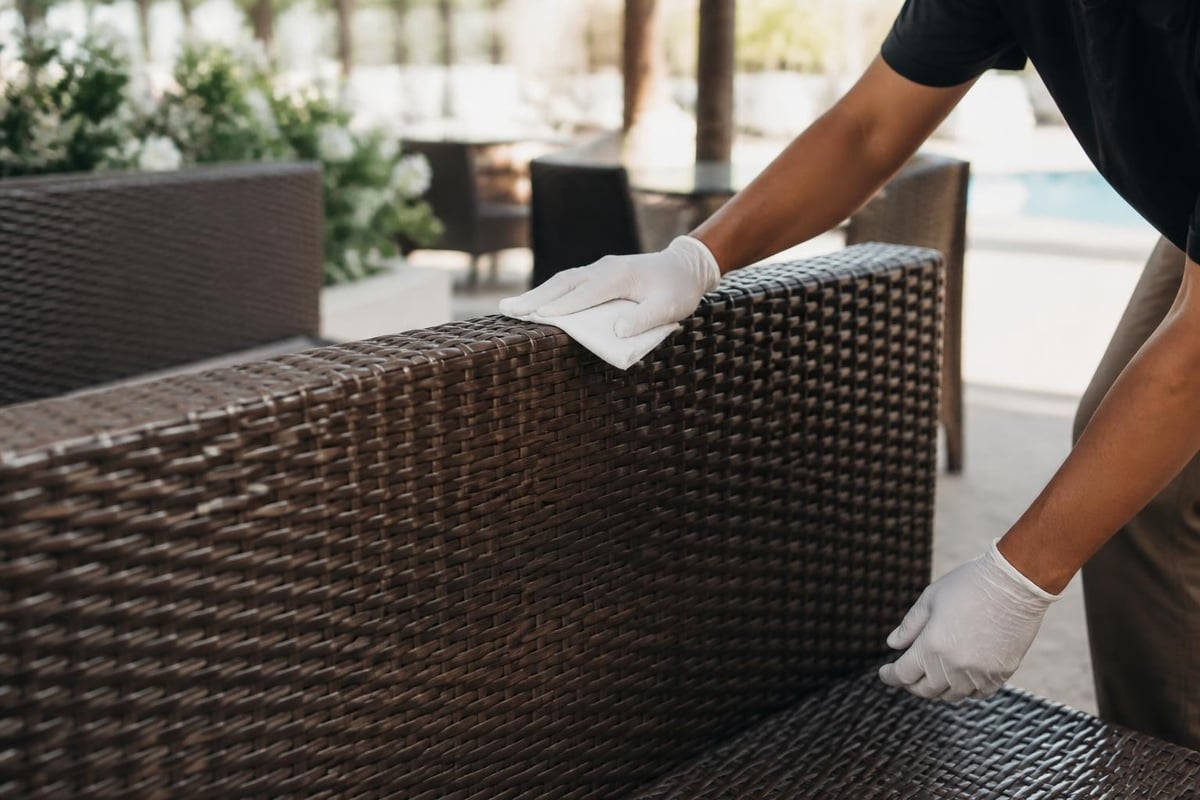
- Weekly cleaning with mild soap solution and soft-bristle brushes
- Monthly deep cleaning including frame inspection and tightening connections
- Quarterly UV protection assessment checking for color consistency
- Annual professional evaluation identifying wear patterns requiring intervention
Regular maintenance prevents minor issues from escalating into structural problems requiring extensive restoration work. Professional reweaving services extend furniture life significantly when addressed proactively.
Climate-Specific Care Considerations
Western Cape weather patterns create unique challenges for outdoor furniture. Coastal properties face salt spray corrosion, while inland venues contend with intense UV exposure and dramatic temperature variations. Garden benches rattan require location-specific care protocols addressing these environmental factors.
Coastal installations benefit from weekly fresh water rinses removing salt accumulation before it penetrates weave gaps. Inland properties should prioritize shade structures or protective covers during peak summer months when UV intensity reaches maximum levels.
Commercial Durability and Return on Investment
Garden benches rattan represent significant capital investments for hospitality properties, making durability assessment critical for financial planning. Understanding lifecycle costs helps property managers make informed purchasing and maintenance decisions.
Lifespan Expectations in Commercial Applications
Quality synthetic rattan garden benches typically deliver 10-15 years of service in high-traffic hospitality environments when properly maintained. This contrasts sharply with wood alternatives requiring replacement every 5-7 years and metal options prone to corrosion in coastal climates.
Key durability factors include:
- Manufacturing quality and material specifications
- Environmental exposure levels and protective measures
- Maintenance frequency and professional intervention timing
- Usage intensity and guest behavior patterns
- Restoration investments extending functional life
Properties investing in premium garden benches rattan and professional restoration services often achieve 20+ year lifecycles, dramatically improving return on investment calculations.
Cost Analysis: Replacement Versus Restoration
When garden benches rattan show signs of wear, property managers face strategic decisions balancing replacement costs against restoration investments. Premium Synthetic Rattan Furniture Reweaving services typically cost 40-60% less than new furniture purchases while delivering comparable aesthetic results.
Professional restoration addresses sun-fading, structural wear, and cosmetic damage through expert reweaving techniques. This approach proves particularly valuable for properties with custom or discontinued furniture pieces where matching replacements prove difficult or impossible.
| Option | Average Cost | Timeline | Lifespan Extension |
|---|---|---|---|
| Full Replacement | R8,000-R15,000 | 4-8 weeks | 10-15 years |
| Professional Restoration | R3,500-R7,000 | 2-4 weeks | 8-12 years |
| Basic Repairs | R800-R2,000 | 1 week | 2-4 years |
Color Selection and Aesthetic Longevity
Color choices for garden benches rattan significantly impact both immediate visual appeal and long-term maintenance requirements. Hospitality properties must balance brand aesthetics with practical considerations around fade resistance and guest perception.
Popular Color Families and Applications
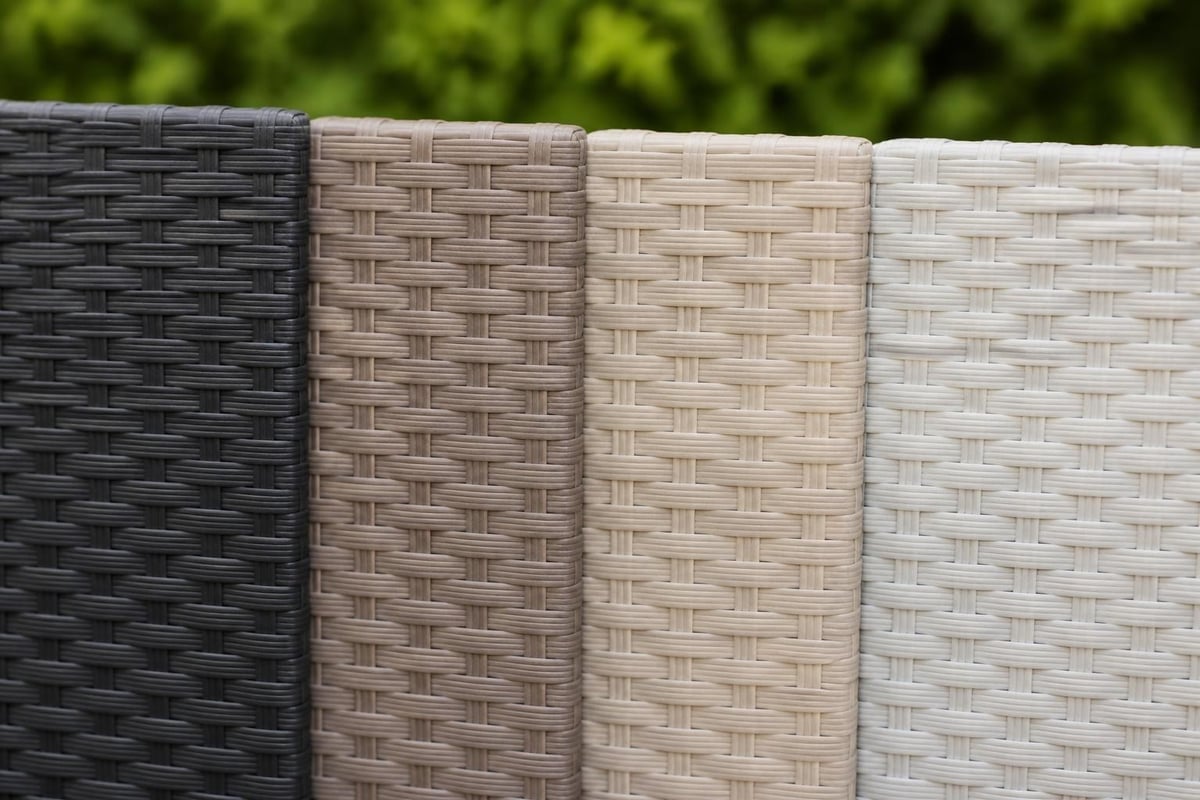
Neutral tones dominate commercial installations because they integrate seamlessly with diverse landscape designs and minimize visible fading. Charcoal, espresso, and grey variations maintain professional appearances even as slight color shifts occur over time.
Lighter colors including pearl, sand, and ivory create bright, welcoming atmospheres but require more frequent cleaning to maintain pristine appearances. These shades work best in covered areas or properties with dedicated maintenance teams.
Multi-Tone Weaving Techniques
Advanced manufacturing processes create garden benches rattan featuring multi-colored strand patterns. These designs disguise minor fading through intentional color variation while adding visual interest. The technique proves particularly effective for properties wanting distinctive furniture without custom manufacturing costs.
Ergonomic Design for Guest Comfort
Successful hospitality furniture balances aesthetic appeal with genuine comfort. Garden benches rattan must support extended sitting periods while maintaining visual elegance that enhances property ambiance.
Seat Depth and Back Angle Optimization
Standard residential garden benches often feature seat depths of 45-50cm, but hospitality applications benefit from 50-55cm depths accommodating diverse guest sizes comfortably. Back angles between 105-110 degrees provide optimal support for relaxed seating without requiring additional cushions.
Properties can explore bespoke design options creating custom dimensions suited to specific guest demographics and usage patterns.
Armrest Height and Positioning
Properly positioned armrests enhance comfort and provide essential support for guests with mobility considerations. Standard armrest heights range from 18-23cm above seat level, with higher positions benefiting older guests and those requiring assistance standing.
Width considerations matter equally, with 5-7cm armrest widths providing comfortable support without creating cramped seating. Curved armrest profiles distribute pressure more effectively than flat designs.
Sustainability and Environmental Considerations
Modern hospitality operations increasingly prioritize environmental responsibility, making furniture lifecycle impacts important selection criteria. Garden benches rattan offer several sustainability advantages over alternative materials.
Material Recyclability and End-of-Life Options
High-quality HDPE synthetic rattan is fully recyclable, allowing responsible disposal when furniture finally reaches end-of-life status. Aluminum frames similarly enter recycling streams, creating minimal landfill impact. This contrasts with treated wood furniture containing chemicals preventing safe recycling.
Restoration services extend furniture life, reducing manufacturing demand and associated environmental impacts. Properties emphasizing sustainability credentials benefit from communicating these lifecycle approaches to environmentally conscious guests.
Manufacturing Carbon Footprint Comparisons
Synthetic rattan production generates lower carbon emissions than aluminum or steel furniture manufacturing. The lightweight material reduces transportation emissions, and durable construction minimizes replacement frequency reducing lifecycle carbon impacts.
| Material | Manufacturing CO2 | Transport Impact | Replacement Cycle | Total Lifecycle CO2 |
|---|---|---|---|---|
| Synthetic Rattan | Medium | Low | 10-15 years | Low-Medium |
| Aluminum | High | Medium | 8-12 years | Medium-High |
| Treated Wood | Medium-High | High | 5-7 years | High |
Integration with Landscape Design
Garden benches rattan function as anchor pieces within broader landscape compositions. Strategic placement and complementary plantings maximize visual impact while creating functional outdoor spaces guests naturally gravitate toward.
Placement Strategies for Maximum Impact
Effective bench placement considers sightlines, sun exposure, privacy levels, and traffic flow patterns. Corner placements create intimate conversation areas, while linear arrangements along pathways encourage rest during property exploration.
Hospitality properties should position garden benches rattan where they frame desirable views without obstructing circulation or creating isolated spaces feeling disconnected from main activity areas.
Complementary Planting Schemes
Strategic plantings enhance bench areas through seasonal color, fragrance, and shade provision. Mediterranean species including lavender, rosemary, and ornamental grasses thrive in Western Cape conditions while creating sensory-rich environments around seating areas.
Shade trees planted strategically reduce direct UV exposure on garden benches rattan, extending color retention while improving guest comfort during summer months. Deciduous varieties allow winter sun penetration when warmth proves welcome.
Safety Considerations and Stability Requirements
Commercial installations must meet safety standards protecting guests and limiting liability exposure. Garden benches rattan require proper installation and regular inspection ensuring stability throughout their service lives.
Weight Distribution and Ground Preparation
Uneven surfaces create instability risks, particularly with freestanding garden benches rattan not anchored to foundations. Level ground preparation using compacted gravel bases or paving stones ensures stable positioning preventing tipping incidents.
Four-legged designs distribute weight more evenly than three-point contact systems, reducing ground pressure and improving stability on softer surfaces. Weight capacities should exceed expected loads by minimum 30% safety margins.
Anchoring Systems for High-Wind Locations
Coastal and exposed inland locations experience strong winds requiring bench anchoring systems. Discreet ground anchors or weighted bases prevent furniture displacement during storms while maintaining aesthetic appeal during calm conditions.
Properties can review installation best practices and maintenance protocols through resources available at Rattan Furniture Restoration's blog, where expert guidance addresses common commercial installation challenges.
Customization Options for Brand Integration
Hospitality properties increasingly seek furniture solutions reinforcing brand identity and creating memorable guest experiences. Garden benches rattan offer various customization possibilities beyond standard catalog selections.
Custom Weave Patterns and Brand Colors
Manufacturers can create custom strand colors matching corporate brand palettes, allowing seamless integration with broader property design themes. Custom weave patterns incorporating geometric motifs or textural variations add distinctive character unavailable in mass-produced alternatives.
Integrated Features and Functionality
Modern garden benches rattan can incorporate USB charging ports, integrated lighting, or modular attachment points for planters and side tables. These features enhance functionality while creating talking points generating positive guest reviews and social media engagement.
Functionality advantages and design flexibility make rattan benches particularly appealing for properties differentiating through unique guest amenities.
Seasonal Considerations and Storage Solutions
While synthetic rattan withstands year-round outdoor exposure, strategic seasonal care extends furniture life and maintains optimal appearance. Properties must balance practical storage considerations against guest experience continuity.
Winter Protection Strategies
Western Cape winter conditions generally allow year-round outdoor furniture display, but extreme weather events justify temporary protection. Breathable furniture covers prevent moisture accumulation while blocking UV exposure during periods of reduced guest activity.
Complete storage proves unnecessary for quality garden benches rattan in most Western Cape microclimates, but elevated positioning preventing ground water contact during heavy rains prevents accelerated frame corrosion.
Summer Maintenance Intensification
Peak summer months require increased maintenance attention as UV intensity and guest usage both reach maximum levels. Weekly inspections identify wear patterns early, allowing timely interventions preventing guest complaints or safety incidents.
Cushion rotation, connection tightening, and protective treatment application should intensify during November through February periods when furniture experiences greatest stress.
Garden benches rattan deliver exceptional value for hospitality properties and luxury residential estates through their unique combination of aesthetic appeal, weather resistance, and long-term durability. Whether you're managing a boutique hotel, wine farm, or exclusive lodge, investing in quality synthetic rattan furniture and maintaining it through professional restoration services ensures your outdoor spaces remain inviting and guest-ready for decades. When your garden benches show signs of wear or sun damage, Rattan Furniture Restoration brings expert reweaving and refurbishment services throughout the Western Cape, restoring your furniture to its original beauty while extending its service life far beyond replacement timelines.