
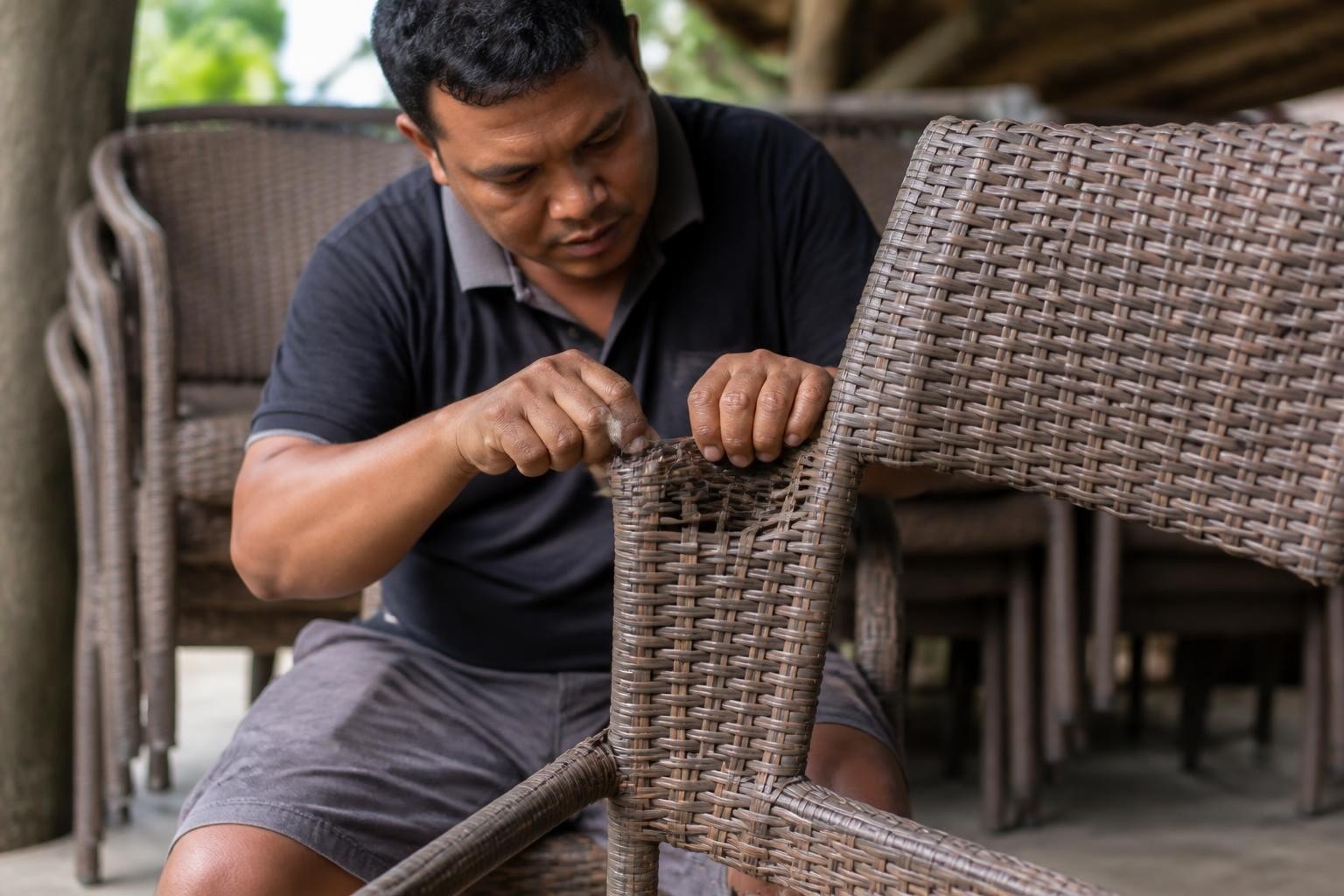
Synthetic rattan furniture has become a staple in hospitality environments across the Western Cape, from boutique hotels to wine estates and luxury guesthouses. These durable pieces endure constant guest use, harsh UV exposure, and challenging weather conditions, making chair rattan repair an essential skill for maintaining a polished, professional appearance. Understanding the repair process empowers facility managers and property owners to extend furniture lifespan, reduce replacement costs, and maintain the aesthetic standards guests expect from premium venues.
Understanding Synthetic Rattan Chair Damage
Before beginning any chair rattan repair project, identifying the specific type and extent of damage determines the most effective restoration approach. Synthetic rattan furniture experiences different wear patterns compared to natural materials, requiring specialized assessment techniques.
Common Damage Categories
The most frequent issues affecting synthetic rattan chairs in hospitality settings include:
- Broken or frayed weaving strands from heavy guest use or accidental impacts
- UV degradation causing brittleness and color fading across sun-exposed surfaces
- Loose or separated weaving where synthetic strands detach from the frame
- Frame instability resulting from joint weakness or structural stress
- Missing sections where entire weaving panels have deteriorated or been removed
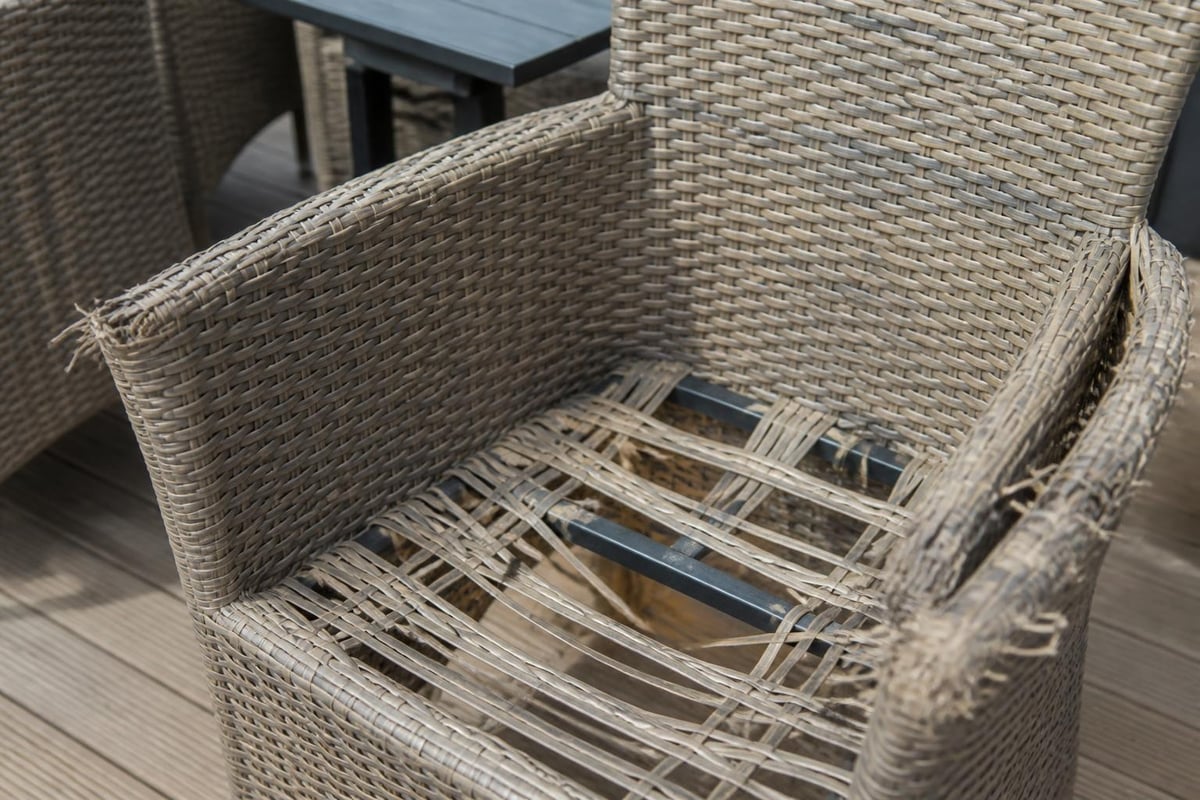
Each damage type demands specific repair techniques. Surface-level fraying may require simple trimming and heat-sealing, while extensive weaving loss necessitates complete panel replacement. Proper assessment techniques ensure you address underlying structural issues before cosmetic restoration.
Essential Materials and Tools for Chair Rattan Repair
Successful chair rattan repair requires appropriate materials that match the original furniture specifications. Hospitality-grade synthetic rattan differs significantly from residential materials in durability requirements and finish quality.
Professional-Grade Repair Supplies
| Material Category | Specific Items | Purpose |
|---|---|---|
| Synthetic Rattan Strands | PE or PVC woven strands in matching color, width, and texture | Primary weaving material for replacement sections |
| Adhesives | Marine-grade UV-resistant glue, heat-welding tools | Securing strand ends and reinforcing joints |
| Frame Reinforcement | Stainless steel brackets, screws, epoxy resin | Structural stability restoration |
| Finishing Materials | UV-protective sealant, color-matching stains | Weather resistance and aesthetic consistency |
The quality of replacement synthetic rattan directly impacts repair longevity. Premium materials resist fading, maintain flexibility across temperature variations, and withstand the rigorous cleaning protocols hospitality furniture endures. Inferior materials may initially appear acceptable but deteriorate rapidly under commercial use conditions.
Specialized Equipment Requirements
Professional chair rattan repair demands tools beyond standard household equipment:
- Heat guns for softening and shaping synthetic strands
- Specialized weaving needles designed for synthetic materials
- Tension gauges to ensure consistent tightness
- Frame clamps for stabilization during reweaving
- Precision cutting tools for clean strand preparation
Assessment and Preparation Process
Thorough preparation distinguishes professional chair rattan repair from amateur attempts. Hospitality furniture requires guest-ready results that meet commercial durability standards.
Initial Damage Evaluation
Begin by documenting all visible damage through detailed photography and written notes. This documentation serves multiple purposes: tracking repair scope, estimating material requirements, and providing before-after comparison for quality assurance. Examine each chair systematically, checking structural integrity across the frame and weaving to identify issues invisible during casual inspection.
Pay particular attention to:
- Connection points where weaving attaches to the frame
- High-stress areas like seat centers and armrest surfaces
- Previous repair attempts that may require correction
- Underlying frame condition affecting repair feasibility
Surface Preparation Steps
Proper cleaning removes accumulated dirt, oils, and environmental residue that interfere with adhesive bonding and weaving tension. Use gentle, non-abrasive cleaners specifically formulated for synthetic materials. Avoid harsh chemicals that degrade synthetic rattan or damage protective UV coatings.
After cleaning, inspect frame joints and tighten any loose connections. Addressing structural issues before reweaving prevents future damage to newly installed sections. Apply frame reinforcement where needed, ensuring chairs provide stable support for guest use.
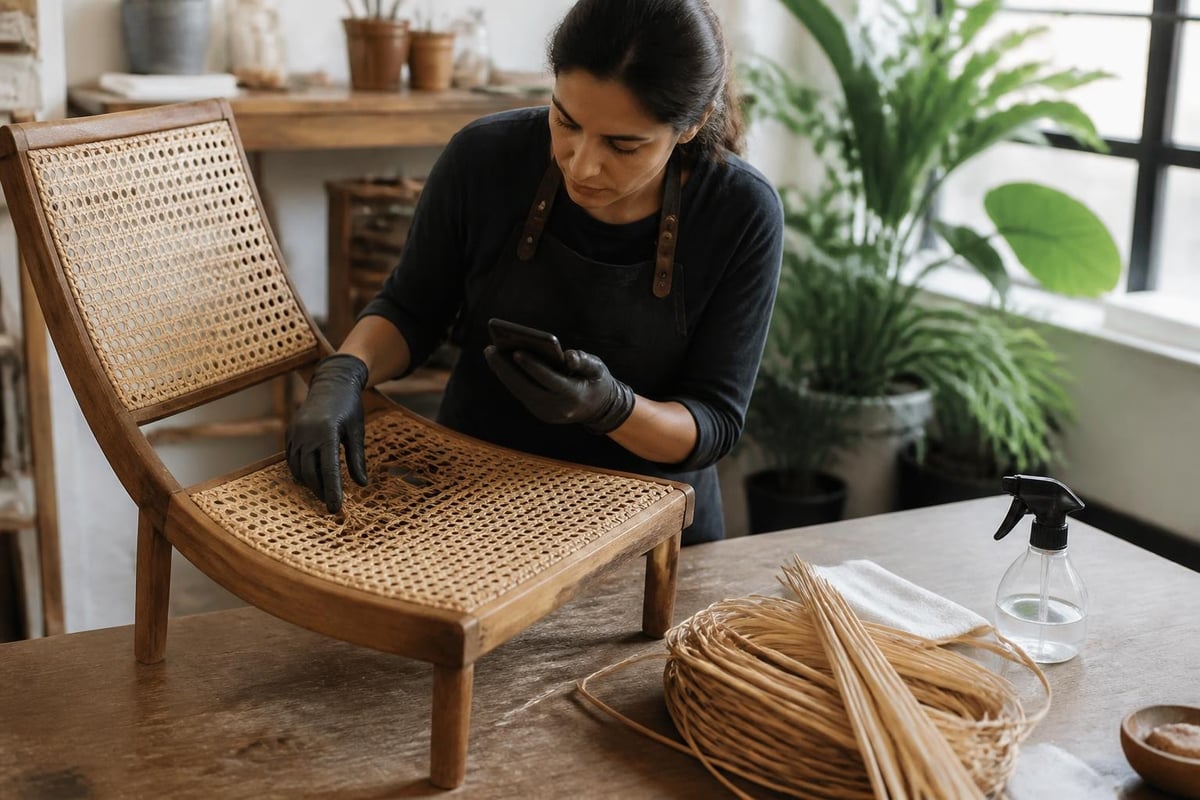
Reweaving Techniques for Different Chair Components
Chair rattan repair encompasses various weaving patterns and structural configurations. Each component requires specific approaches to match original construction methods.
Seat Panel Restoration
Seat panels experience the heaviest wear in hospitality environments, making them the most common repair requirement. Complete seat reweaving involves:
- Removing all damaged strands and cleaning attachment points
- Installing new horizontal base strands with proper tension
- Weaving vertical strands in the original pattern
- Securing all strand ends with heat-sealing or adhesive
- Applying UV-protective finish for weather resistance
Maintaining consistent tension throughout the weaving process ensures a level, comfortable sitting surface. Too-loose weaving creates sagging and premature wear, while excessive tension stresses frame joints and causes material brittleness.
Backrest and Armrest Repair
These vertical and angled surfaces present unique challenges in chair rattan repair. Gravity works against weaving tension, requiring additional securing techniques at top attachment points. Professional restorers often use specialized weaving patterns that distribute weight more effectively across vertical surfaces.
For partial repairs where only sections require replacement:
- Carefully remove damaged strands without disturbing intact weaving
- Secure loose ends of remaining good strands
- Match new strand color and texture precisely to existing material
- Weave replacement sections following the original pattern direction
- Blend transition points for seamless appearance
Advanced Repair Methods for Complex Damage
Certain damage scenarios require sophisticated chair rattan repair techniques beyond basic reweaving. Commercial hospitality furniture often features intricate designs that demand advanced restoration skills.
Frame Reconstruction and Reinforcement
When chairs exhibit structural instability, effective repair addresses both frame and weaving components. This comprehensive approach includes:
- Disassembling affected sections to access damaged frame areas
- Reinforcing or replacing weakened frame elements
- Ensuring all joints provide rigid support
- Reweaving sections after frame restoration completes
Critical consideration: Never attempt to reweave over compromised frames. The additional tension from new synthetic rattan can accelerate frame failure, creating safety hazards for guests.
Color Matching and Finish Restoration
Hospitality venues require consistent aesthetics across furniture collections. Chair rattan repair must match not only the weaving pattern but also color, texture, and finish. UV exposure causes significant color shifts in synthetic rattan, making perfect matching challenging.
| Matching Challenge | Solution Approach |
|---|---|
| Faded original material | Order new strands in sun-faded shade or treat new material with controlled UV exposure |
| Discontinued colors | Custom color mixing or complete furniture set reweaving for consistency |
| Texture variations | Source multiple suppliers to find closest match; test samples before ordering bulk quantities |
| Sheen differences | Apply matte or gloss finish coatings to match original appearance |
For hospitality venues maintaining large furniture inventories, establishing relationships with quality suppliers ensures consistent material availability for ongoing chair rattan repair needs. The Rattan Furniture Restoration team specializes in sourcing premium synthetic rattan materials that meet commercial durability standards while matching existing furniture aesthetics.
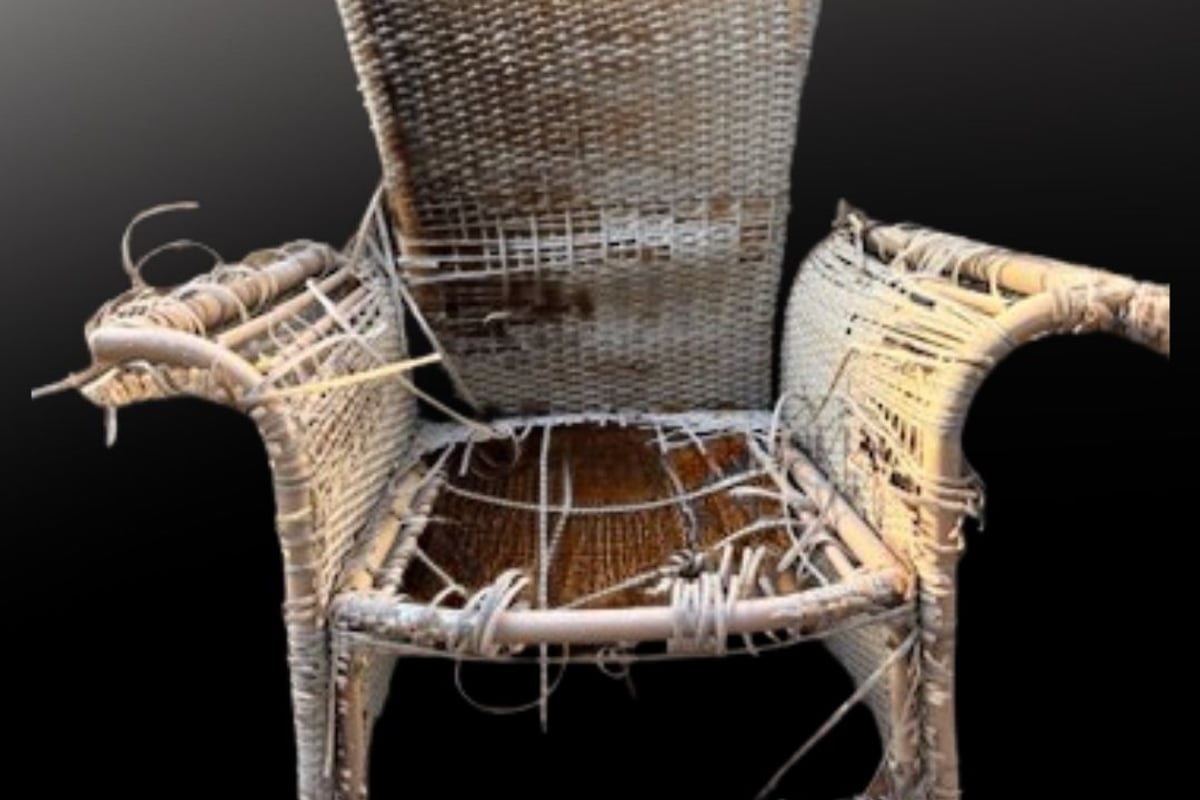
Preventive Maintenance to Reduce Repair Frequency
While skilled chair rattan repair restores damaged furniture, proactive maintenance significantly extends intervals between repairs. Hospitality venues benefit from implementing systematic care protocols that preserve synthetic rattan condition.
Regular Inspection Schedules
Establish monthly furniture inspections that identify minor issues before they escalate into major damage:
- Check all frame joints for loosening or separation
- Examine weaving for frayed strands or developing gaps
- Test chair stability under normal use conditions
- Document condition changes to track wear patterns
Early detection allows simple repairs like individual strand replacement rather than complete panel reweaving. This approach reduces both repair costs and furniture downtime.
Cleaning and Protection Protocols
Proper cleaning extends synthetic rattan lifespan while maintaining guest-ready appearance. Implement these care practices:
- Weekly gentle cleaning with mild soap and water
- Immediate spill cleanup to prevent staining
- Quarterly deep cleaning with appropriate synthetic rattan cleaners
- Annual UV-protective coating application
- Covered storage during extended off-seasons when possible
Avoid high-pressure washing, which forces water into weaving interstices and accelerates degradation. Similarly, harsh chemical cleaners damage protective coatings and cause premature brittleness.
Cost-Benefit Analysis of Professional Repair Versus Replacement
Hospitality venue managers face ongoing decisions about chair rattan repair versus purchasing new furniture. Understanding the financial implications guides strategic furniture management.
Repair Investment Considerations
Professional chair rattan repair typically costs 30-50% of equivalent new furniture prices. However, several factors influence whether repair represents the optimal choice:
Repair makes financial sense when:
- Frame structure remains sound and stable
- Damage is limited to weaving components
- Furniture matches existing sets requiring aesthetic consistency
- Quality exceeds currently available replacement options
- Timeline permits proper restoration without operational disruption
Replacement may be preferable when:
- Frame damage compromises structural integrity
- Multiple previous repairs indicate escalating failure rates
- Design no longer suits venue aesthetic direction
- New furniture offers improved durability features
- Bulk replacement pricing provides economies of scale
Long-Term Value Preservation
High-quality synthetic rattan furniture represents significant capital investment for hospitality venues. Professional chair rattan repair extends asset lifespan, spreading initial acquisition costs across many additional service years. This approach aligns with sustainable business practices while maintaining the premium appearance guests expect.
Consider the total cost of ownership across a typical 10-year furniture lifecycle:
| Scenario | Initial Cost | Repair Costs | Total 10-Year Cost |
|---|---|---|---|
| Replace every 5 years | R15,000 × 2 | R0 | R30,000 |
| Professional repair at years 3, 6, 9 | R15,000 | R4,500 × 3 | R28,500 |
| Premium furniture with repair at year 5 | R22,000 | R6,000 | R28,000 |
These calculations demonstrate that investing in quality furniture with strategic repair outperforms frequent replacement of lower-grade options.
Quality Standards for Hospitality Chair Rattan Repair
Commercial environments demand higher quality thresholds than residential applications. Guest-facing furniture must meet rigorous durability, safety, and aesthetic standards.
Commercial Durability Requirements
Hospitality furniture endures exponentially more use than residential pieces. A hotel lounge chair may serve dozens of guests weekly, accumulating stress equivalent to years of home use within months. Chair rattan repair for commercial applications must incorporate:
- Commercial-grade synthetic rattan with enhanced UV stabilizers
- Reinforced attachment methods exceeding residential standards
- Weather-resistant adhesives maintaining bond strength across temperature extremes
- Protective finishes formulated for high-traffic environments
Attempting chair rattan repair with residential-grade materials creates safety liabilities when furniture fails under normal hospitality use conditions.
Aesthetic Consistency Across Furniture Collections
Hospitality venues curate cohesive design environments where furniture contributes to overall ambiance. Inconsistent repair work disrupts visual harmony and diminishes perceived quality. Professional restoration ensures:
- Precise color matching across repaired and original sections
- Identical weaving patterns maintaining design integrity
- Uniform finish application for consistent sheen
- Attention to detail matching original craftsmanship standards
These quality elements distinguish professional chair rattan repair services from DIY attempts or discount restoration providers.
Selecting Professional Restoration Partners
Hospitality venue managers benefit from establishing relationships with experienced chair rattan repair specialists who understand commercial furniture requirements.
Evaluation Criteria for Restoration Services
When selecting a restoration partner, assess these critical factors:
Technical Expertise:
- Demonstrated experience with synthetic rattan materials
- Portfolio showing similar hospitality projects
- Knowledge of commercial durability requirements
- Ability to match diverse furniture styles and finishes
Operational Capabilities:
- Capacity to handle multiple pieces simultaneously
- Flexible scheduling minimizing venue disruption
- On-site repair options when available
- Realistic timeline commitments with buffer for quality work
Quality Assurance:
- Material sourcing from reputable suppliers
- Warranty or guarantee on completed repairs
- Documented quality control processes
- References from similar hospitality clients
Building Long-Term Maintenance Partnerships
The most successful hospitality venues develop ongoing relationships with furniture restoration specialists rather than seeking quotes for individual emergency repairs. This partnership approach provides:
- Priority scheduling during peak seasons
- Consistent quality from technicians familiar with your furniture
- Proactive maintenance planning preventing crisis situations
- Volume pricing for regular repair needs
- Bespoke solutions for unique furniture challenges
Regular communication with restoration partners enables strategic furniture management aligned with operational requirements and budget constraints.
Environmental and Sustainability Considerations
Chair rattan repair aligns with growing hospitality industry emphasis on sustainable operations and environmental responsibility.
Reducing Furniture Waste
The hospitality sector generates substantial furniture waste when pieces are replaced rather than repaired. Professional restoration diverts synthetic rattan furniture from landfills, extending useful life and reducing environmental impact. A single restored chair prevents:
- Manufacturing resource consumption for replacement production
- Transportation emissions associated with new furniture delivery
- Landfill burden from disposed furniture
- Raw material extraction for synthetic polymer production
These environmental benefits resonate with eco-conscious guests and support sustainability certifications many hospitality venues pursue.
Choosing Sustainable Restoration Materials
Not all repair materials offer equal environmental profiles. When planning chair rattan repair projects, prioritize:
- Recycled-content synthetic rattan where quality permits
- Low-VOC adhesives and finishes minimizing air quality impact
- Durable materials reducing future repair frequency
- Locally-sourced supplies reducing transportation footprint
Professional restoration partners focused on sustainability incorporate these considerations into material selection and repair methodologies.
Regional Considerations for Western Cape Hospitality Venues
The Western Cape's unique climate and hospitality landscape create specific chair rattan repair requirements that differ from other regions.
Climate Impact on Synthetic Rattan
The Western Cape experiences intense UV exposure, significant temperature variations, and coastal salt air in many hospitality zones. These environmental factors accelerate synthetic rattan degradation through:
- UV radiation breaking down polymer chains and causing brittleness
- Temperature cycling expanding and contracting materials, stressing attachment points
- Salt moisture promoting corrosion of metal frame components
- Wind-driven debris causing physical damage to weaving
Effective chair rattan repair in this region requires materials specifically formulated for harsh coastal and sunny environments. Standard synthetic rattan designed for mild climates fails prematurely when exposed to Western Cape conditions.
Supporting Local Hospitality Economy
Choosing regional restoration specialists supports the Western Cape hospitality ecosystem while providing logistical advantages:
Local service benefits:
- Reduced furniture transportation costs and damage risks
- Faster turnaround times for urgent repairs
- Personal consultation and on-site assessments
- Familiarity with regional climate challenges
- Support for local skilled artisan employment
The concentration of wine estates, boutique hotels, and luxury lodges throughout the Western Cape creates demand for specialized chair rattan repair services that understand both hospitality standards and regional environmental conditions.
Maintaining synthetic rattan furniture through professional repair preserves both aesthetic appeal and functional durability essential for hospitality success. Strategic restoration extends furniture lifespan while supporting sustainability goals and managing replacement costs effectively. For hospitality venues across the Western Cape seeking expert restoration services, Rattan Furniture Restoration delivers skilled craftsmanship that returns sun-faded loungers, worn dining sets, and damaged chairs to guest-ready condition, ensuring every piece meets the exacting standards your guests expect.