
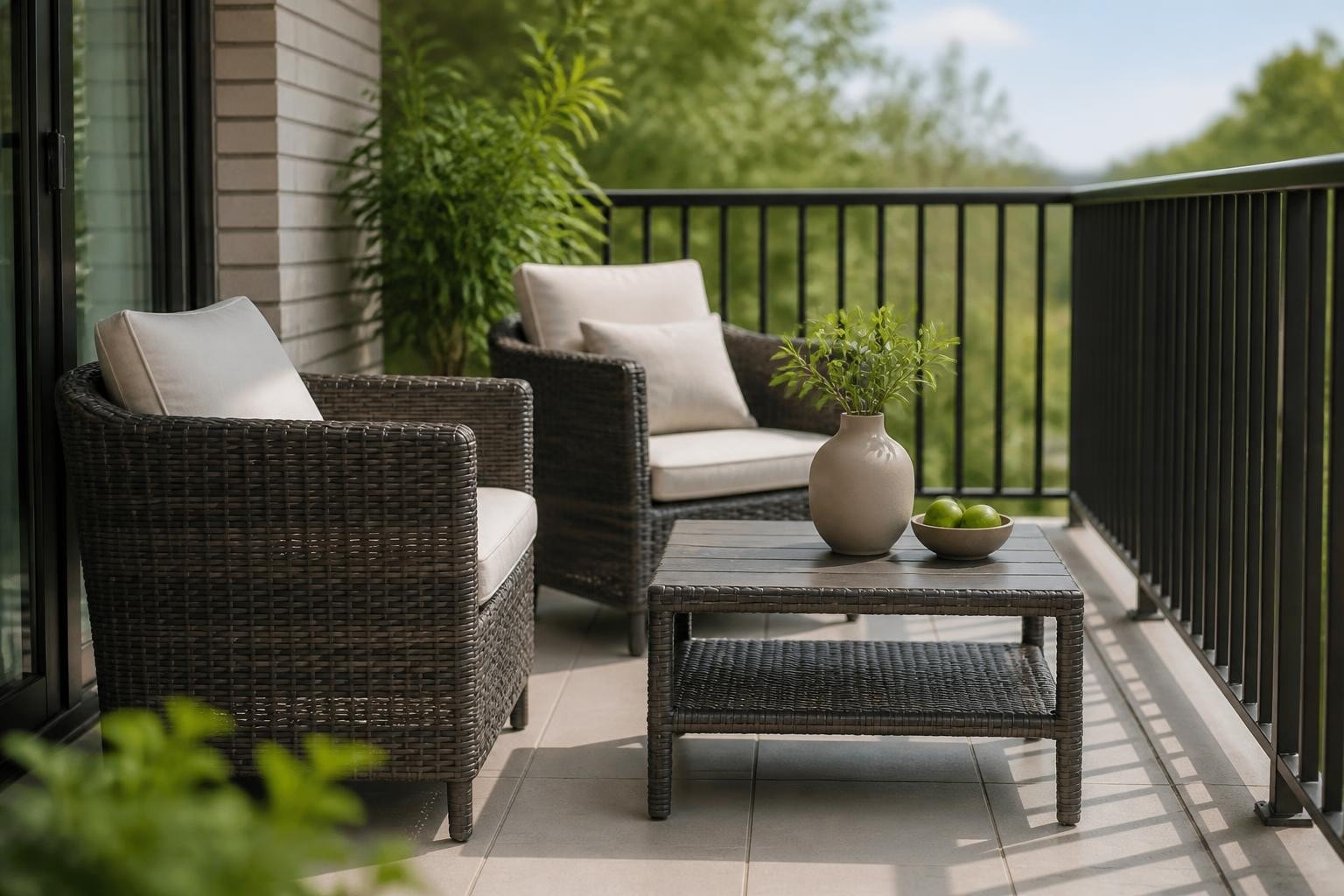
Transforming a balcony into an inviting outdoor retreat requires furniture that balances aesthetics, durability, and space efficiency. Synthetic rattan furniture has emerged as the premier choice for balconies across residential and hospitality properties, offering weather resistance and timeless appeal. Whether you're furnishing a compact urban balcony or outfitting multiple guest suites at a boutique hotel, understanding the nuances of balcony furniture rattan ensures your investment delivers years of reliable service while maintaining visual appeal.
Understanding Synthetic Rattan for Balcony Applications
Balcony furniture rattan constructed from high-quality synthetic materials represents a significant advancement over traditional natural fibers. Modern synthetic rattan withstands UV exposure, moisture, and temperature fluctuations that would quickly degrade organic alternatives.
Material Composition and Durability
High-density polyethylene (HDPE) forms the foundation of premium synthetic rattan. This material delivers:
- Resistance to fading from continuous sun exposure
- Waterproof properties that prevent mold and mildew
- Flexibility that prevents cracking in varying temperatures
- Colorfastness that maintains appearance for years
The manufacturing process creates strands that mimic natural rattan's texture while eliminating the structural weaknesses inherent in organic materials. For hospitality venues where furniture faces constant use, this durability translates directly to reduced replacement costs and maintained property aesthetics.
Quality Indicators for Premium Pieces
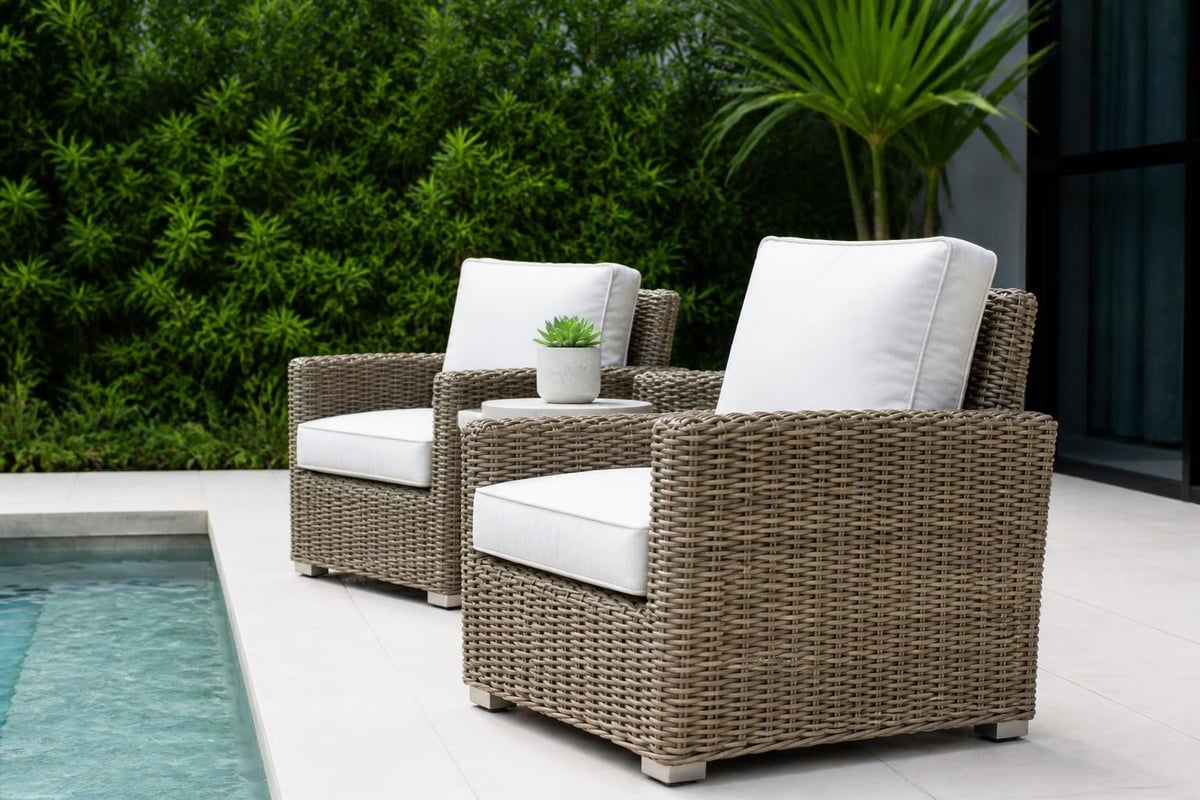
Identifying superior balcony furniture rattan requires examining several construction elements. Professional buyers for hotels and guesthouses should assess the thickness of rattan strands, which typically range from 1.2mm to 2.0mm in quality pieces. Thicker strands provide better structural integrity and resist wear from frequent guest use.
Frame construction matters equally. Aluminum frames offer the best weight-to-strength ratio, remaining lightweight enough for easy rearrangement while supporting substantial weight. Powder-coated finishes on frames prevent corrosion in coastal environments where salt air accelerates metal degradation.
| Quality Factor | Premium Standard | Impact on Longevity |
|---|---|---|
| Rattan Strand Thickness | 1.8-2.0mm | Resists breakage and sagging |
| Frame Material | Aluminum alloy | Prevents rust and maintains structural integrity |
| UV Protection Rating | 3000+ hours | Minimizes color fading over multiple seasons |
| Weave Density | Tight, consistent pattern | Reduces gaps and maintains appearance |
Selecting Appropriate Styles for Different Balcony Configurations
Space planning determines furniture success on balconies. A well-designed rattan garden furniture arrangement maximizes usable area while creating comfortable zones for relaxation or dining.
Compact Sets for Limited Footprints
Balconies measuring 6-12 square meters benefit from bistro-style configurations. A two-seater set with a small round table provides functionality without overwhelming the space. Stackable chairs offer storage flexibility when balconies serve dual purposes.
Key measurements for compact balcony furniture rattan:
- Bistro table diameter: 60-70cm
- Chair width: 50-55cm
- Clearance from railing: minimum 40cm for safety
- Pathway width: 60cm minimum for comfortable passage
Modular Solutions for Flexible Arrangements
Larger balconies spanning 15+ square meters accommodate modular seating systems. These configurations adapt to different guest needs or seasonal requirements. Corner units, armless middle sections, and ottomans can be rearranged to create intimate conversation areas or opened up for entertaining.
Wine estates and lodges particularly benefit from modular balcony furniture rattan that reconfigures for private guest relaxation or small group tastings. The furniture options available demonstrate how thoughtful design accommodates multiple use cases within the same footprint.
Maintenance Protocols for Extended Service Life
Proper maintenance extends the functional life of balcony furniture rattan significantly. Establishing regular care routines prevents minor issues from developing into structural problems requiring professional intervention.
Routine Cleaning Best Practices
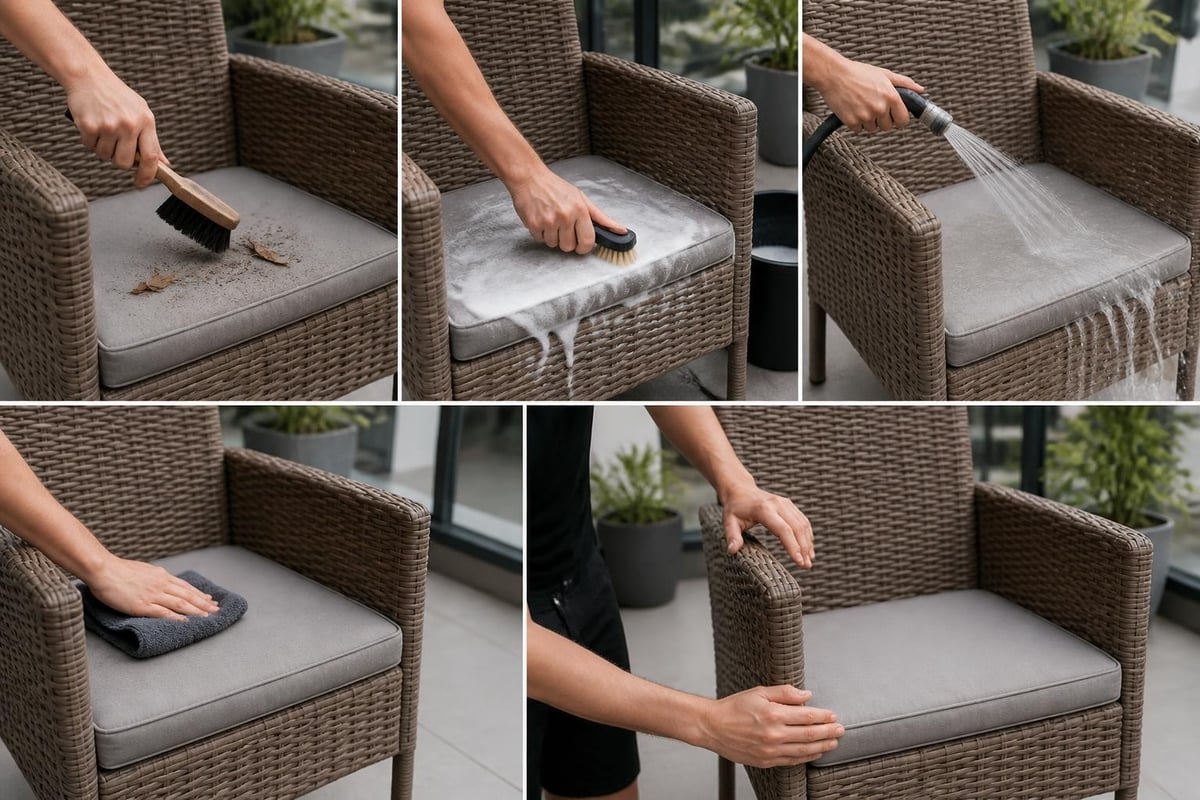
Weekly maintenance requires minimal time investment with maximum impact:
- Remove loose debris with a soft brush or vacuum with upholstery attachment
- Wash surfaces with mild soap solution and soft cloth
- Rinse thoroughly with clean water to prevent soap residue buildup
- Dry completely before use to prevent water spots
- Inspect weaving for loose strands or developing gaps
For hospitality properties, incorporating these steps into daily housekeeping protocols ensures guest-ready furniture appearance. High-traffic seasons may require increased cleaning frequency, particularly in coastal locations where salt spray accelerates surface dulling.
Seasonal Deep Cleaning and Protection
Twice-yearly deep cleaning addresses accumulated environmental exposure. This intensive process involves:
- Complete frame inspection for corrosion spots or finish damage
- Detailed weave examination identifying worn areas requiring attention
- Cushion assessment checking foam compression and fabric integrity
- Hardware tightening ensuring screws and connections remain secure
Properties experiencing significant seasonal weather variations should consider protective covers during off-peak months. However, quality synthetic rattan withstands winter conditions without covering, making storage decisions based primarily on aesthetic preferences rather than material necessity.
Addressing Common Wear Patterns
Even premium balcony furniture rattan develops predictable wear patterns. Armrests experience concentrated friction, sun-facing surfaces fade incrementally faster, and high-contact points may show strand loosening. Recognizing these patterns enables proactive maintenance scheduling.
Professional restoration services address wear before it compromises structural integrity. When synthetic rattan shows signs of extensive fading, strand breakage, or weave loosening, expert reweaving and refurbishment restores pieces to their original condition at a fraction of replacement costs. This approach proves particularly valuable for hospitality businesses maintaining brand consistency across multiple furniture pieces.
Design Integration with Architectural Elements
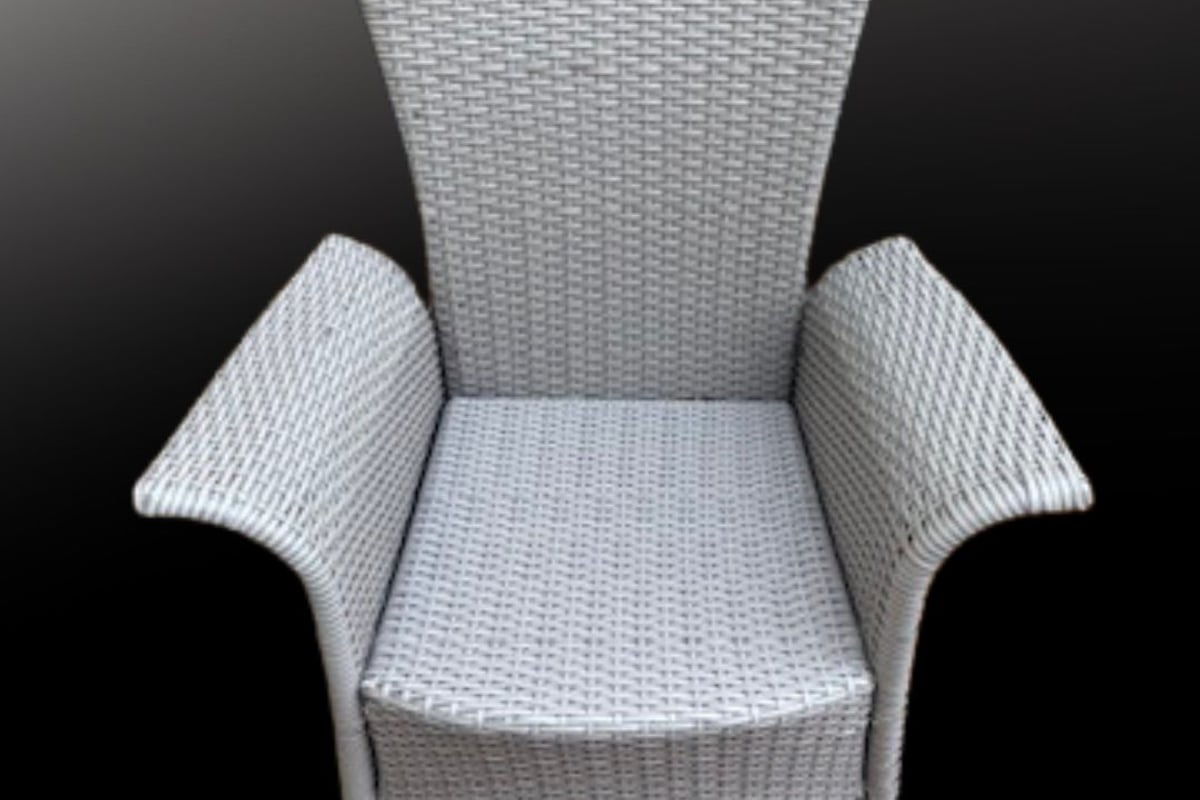
Successful balcony furniture rattan implementation considers surrounding architectural features and intended ambiance. The furniture should complement rather than compete with the property's overall design language.
Color Coordination Strategies
Synthetic rattan offers diverse color options beyond traditional brown tones:
- Neutral grays and taupes suit contemporary minimalist architecture
- Warm browns and honeys complement traditional or rustic settings
- Black and charcoal create dramatic contrast in modern spaces
- White and cream brighten smaller balconies and enhance coastal themes
Hospitality properties benefit from selecting colors that align with their brand identity while offering practical concealment of minor wear. Darker tones hide dust and minor staining better, while lighter shades create airiness in compact spaces.
Cushion Selection for Comfort and Style
Cushions transform balcony furniture rattan from functional to inviting. Fabric selection impacts both comfort and maintenance requirements. Solution-dyed acrylic fabrics resist fading and repel moisture, making them ideal for exposed balconies.
| Fabric Type | UV Resistance | Water Resistance | Maintenance Level |
|---|---|---|---|
| Solution-Dyed Acrylic | Excellent | High | Low - spot clean only |
| Polyester Blend | Good | Moderate | Medium - periodic washing |
| Quick-Dry Foam | N/A (core material) | Excellent | Low - air dries rapidly |
| Outdoor Canvas | Very Good | Moderate | Medium - regular cleaning needed |
Cushion thickness affects comfort perception. Premium hospitality applications typically specify 10-12cm seat cushions and 8-10cm back cushions. This depth provides comfort for extended seating while maintaining proportion on balcony-scale furniture.
Addressing Environmental Exposure Challenges
Balconies face unique environmental stresses depending on orientation, elevation, and regional climate. Understanding these factors informs both initial furniture selection and ongoing care requirements.
Sun Exposure Management
South-facing balconies in the Western Cape receive intense UV exposure throughout the day. While quality synthetic rattan resists fading, prolonged exposure still causes gradual color changes. Strategic placement of furniture slightly back from railing edges reduces direct sun impact during peak hours.
UV-protective sprays offer additional defense, though they require reapplication every 2-3 months. These products create an invisible barrier that reflects damaging wavelengths without altering the rattan's appearance or texture. As highlighted in discussions of contemporary outdoor furniture trends, material protection represents a growing priority in furniture manufacturing.
Wind and Weather Considerations
Elevated balconies experience stronger winds that can shift lightweight furniture. Securing pieces prevents both furniture damage and safety hazards. Options include:
- Furniture weights designed to slip under seat cushions
- Anchor straps securing pieces to balcony structures
- Heavier frame construction for exposed locations
- Modular configurations where weight combines for stability
Properties near the coast must address salt air's corrosive effects on metal components. Regular rinsing with fresh water removes salt accumulation before it damages powder-coated finishes or accelerates aluminum oxidation.
Space Optimization Techniques for Maximum Functionality
Effective balcony furniture rattan arrangements create distinct zones within limited square footage. Professional space planning transforms balconies from afterthoughts into valuable property amenities.
Vertical Space Utilization
Balconies offer three-dimensional design opportunities often overlooked in furniture planning:
- Wall-mounted shelving above seating stores decorative items without consuming floor space
- Hanging planters add greenery while keeping surfaces clear
- Railing-mounted tables fold down when needed and store flat against rails
- Tall, narrow plant stands draw the eye upward, creating perceived height
These vertical elements complement balcony furniture rattan by preserving valuable floor area for seating and circulation. Guesthouses and boutique hotels can showcase local artwork or provide book exchanges through wall-mounted solutions.
Multi-Functional Furniture Pieces
Storage ottomans serve triple duty as seating, footrests, and concealed storage for cushions or throws. Nesting tables provide surface area when needed and tuck away to maximize open space. These thoughtfully designed pieces demonstrate how furniture selection impacts overall space functionality.
For hospitality applications, multi-functional pieces reduce furniture counts while maintaining guest amenity levels. This approach minimizes visual clutter and simplifies housekeeping protocols.
Investment Analysis for Commercial Applications
Hospitality properties evaluating balcony furniture rattan must consider total cost of ownership rather than initial purchase price alone. This comprehensive analysis reveals the true value of quality furniture investments.
Lifecycle Cost Comparison
Quality synthetic rattan furniture commands higher initial investment but delivers superior value over its service life. Consider a typical scenario:
Budget Option:
- Initial cost: R3,500 per set
- Expected lifespan: 2-3 years
- Replacement frequency: Every 30 months
- Five-year cost: R7,000+ (two replacements)
Premium Option:
- Initial cost: R8,500 per set
- Expected lifespan: 7-10 years with maintenance
- Replacement frequency: Minimal within five years
- Five-year cost: R8,500 (single purchase) plus minor maintenance
This analysis excludes labor costs for furniture replacement and disposal, which add hidden expenses to frequent replacements. Premium balcony furniture rattan reduces operational disruption and maintains consistent guest experiences.
Restoration as Strategic Investment
Professional restoration extends furniture life beyond original expectations. Sun-faded pieces requiring complete reweaving cost 40-60% of new furniture prices while delivering renewed appearance and structural integrity. Properties maintaining 20+ balcony sets realize significant savings through strategic restoration timing.
The specialized services available for synthetic rattan restoration enable properties to maintain brand consistency across all guest touchpoints. Rather than mixing new and aging furniture pieces, comprehensive restoration creates uniformity that elevates overall property presentation.
Emerging Trends in Balcony Furniture Design
The balcony furniture rattan market continues evolving with innovations addressing sustainability, comfort, and aesthetic preferences. Understanding these trends helps properties maintain contemporary appeal.
Sustainable Manufacturing Practices
Leading manufacturers increasingly emphasize recycled materials in synthetic rattan production. Post-consumer plastics are processed into HDPE strands that match virgin material performance while reducing environmental impact. Properties highlighting sustainability commitments can leverage furniture choices as tangible demonstrations of environmental responsibility.
Certifications indicating recycled content percentages provide verification of sustainability claims. Forward-thinking hospitality businesses incorporate these credentials into their marketing narratives, appealing to environmentally conscious guests.
Enhanced Ergonomics and Comfort Engineering
Modern balcony furniture rattan incorporates ergonomic research into frame angles and cushion contouring. Seat depths accommodate diverse body types, backrest angles support proper posture during extended relaxation, and armrest heights facilitate comfortable conversation positions.
These refinements prove particularly valuable in hospitality settings where guest comfort directly impacts satisfaction ratings and review scores. The difference between adequate and exceptional outdoor furniture influences booking decisions, especially for properties emphasizing outdoor living experiences.
Integrated Technology Features
Premium balcony furniture increasingly incorporates subtle technology integration. USB charging ports built into table edges, LED accent lighting within rattan weaves, and Bluetooth speakers concealed in armrests enhance functionality without compromising aesthetics. These features align with guest expectations for seamless technology access throughout properties.
Regional Considerations for Western Cape Properties
Properties across the Western Cape face distinct environmental conditions requiring tailored furniture approaches. Coastal venues contend with salt air and strong winds, while inland wine estates manage intense summer heat and winter rainfall.
Coastal Environment Adaptations
Properties within 5km of the ocean should prioritize marine-grade hardware and enhanced corrosion protection. Stainless steel fasteners resist salt-induced degradation better than standard hardware. Regular fresh water rinsing removes salt accumulation before it penetrates protective coatings.
Inspiration from celebrity outdoor spaces demonstrates how rattan furniture creates inviting environments even in challenging coastal conditions, provided proper material selection and maintenance protocols are followed.
Inland Climate Optimization
Inland regions experience greater temperature variations between day and night, season to season. Synthetic rattan's thermal stability prevents the expansion and contraction that causes joint loosening in lesser materials. However, cushion storage during winter months protects fabric from unnecessary weather exposure.
Wine farm properties often feature extensive balcony spaces offering panoramic vineyard views. These settings demand furniture that accommodates both intimate couple seating and small group gatherings, requiring flexible configurations that maintain aesthetic cohesion.
Professional Assessment and Care Planning
Establishing systematic furniture assessment protocols prevents unexpected failures and optimizes restoration timing. Properties managing multiple furniture pieces benefit from structured evaluation processes.
Comprehensive Furniture Audits
Annual audits document condition across all balcony furniture rattan pieces:
- Photographic records tracking appearance changes
- Structural integrity ratings identifying developing weaknesses
- Weave condition assessment noting strand breakage or loosening
- Hardware evaluation checking for corrosion or loosening
- Cushion assessment measuring compression and fabric wear
This documentation enables data-driven decisions about restoration timing and budget allocation. Rather than reactive replacement when furniture fails, proactive planning maintains consistent appearance across all guest areas.
Customized Maintenance Schedules
Properties develop maintenance calendars based on usage intensity and environmental exposure. High-occupancy balconies require more frequent attention than occasionally-used spaces. Directly sun-exposed furniture needs enhanced UV protection compared to shaded locations.
For businesses exploring furniture customization, bespoke options allow specification of materials and construction details optimized for specific environmental challenges and usage patterns. This tailored approach eliminates compromises inherent in mass-market furniture selection.
The comprehensive resource library available through specialized restoration providers offers ongoing education about furniture care, industry developments, and maintenance best practices specific to synthetic rattan applications.
Quality balcony furniture rattan transforms outdoor spaces into valuable amenities that enhance property appeal and guest satisfaction. Whether selecting new pieces or maintaining existing furniture, understanding material properties, maintenance requirements, and restoration options ensures optimal return on investment. When your synthetic rattan furniture shows signs of wear or fading, Rattan Furniture Restoration brings specialized expertise in reweaving and refurbishing hospitality furniture throughout the Western Cape, restoring each piece to guest-ready condition while extending its service life significantly.